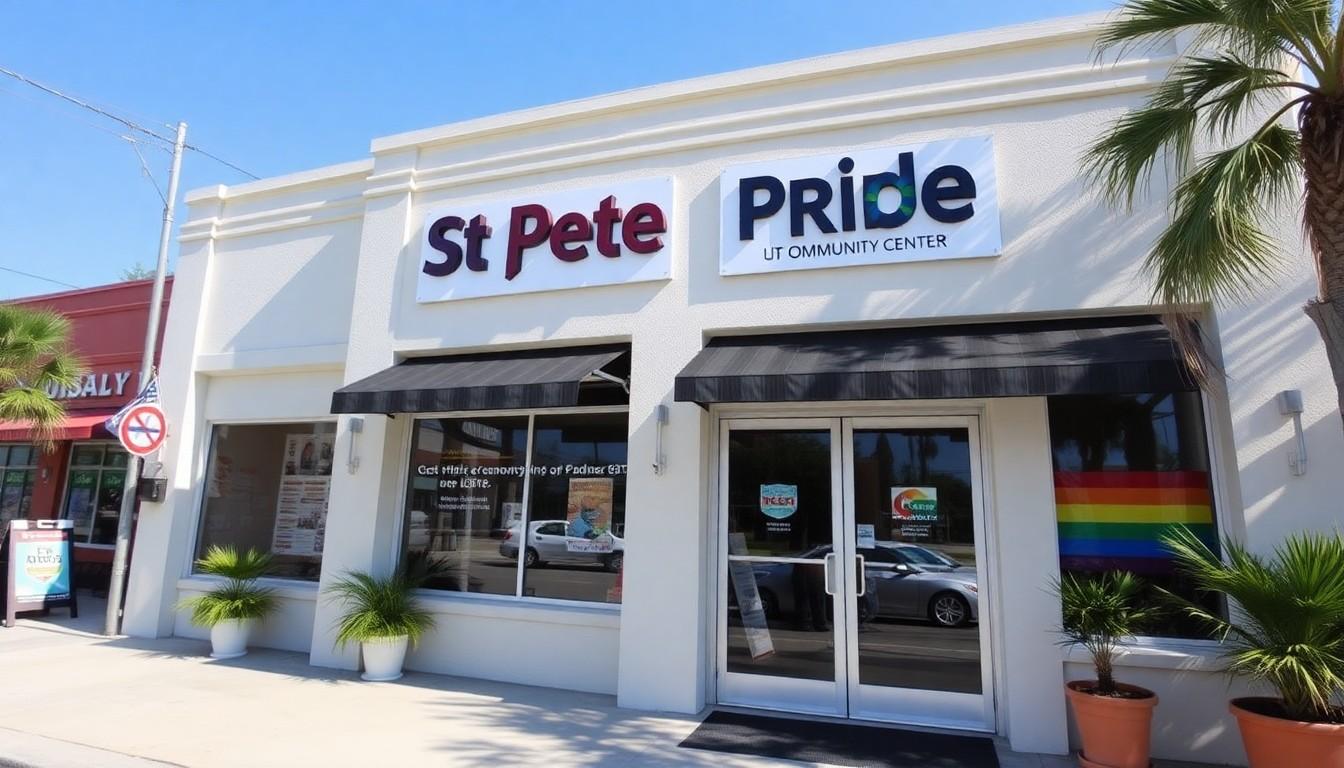
Watching sponsorships dry up, organisers are rethinking Pride’s scale and route in St. Pete , and that shift matters to businesses, visitors and the city’s summer calendar. Here’s what changed, why Shades of Pride was cut, and how Pride’s economics could be remade for a sustainable future.
Essential Takeaways
- Event cancelled: St. Pete Pride cancelled its July Shades of Pride event this year because sponsorship and budget shortfalls made it unaffordable.
- Location shifted: The parade moved from Grand Central to Beach Drive in 2017, changing who benefits economically and altering the atmosphere.
- City subsidy at risk: A city discount halves the event bill now; recent state rules may threaten that relief.
- Tourism impact: Pride still draws hotel bookings and visitor spending, so the city gains tax revenue even as programming tightens.
- Reimagining models: Organisers are exploring new partnership and funding approaches to keep Pride alive without large deficits.
Why Shades of Pride was cut , simple math, painful choice
St. Pete Pride’s leadership says rising costs and weaker business sponsorship forced the cancellation of Shades of Pride this summer. Organisers tell a familiar story: individual donations rose but didn’t cover the gap left by major corporate support, and that’s the kind of money needed to run free, large-scale celebrations. It’s an ugly bit of arithmetic that often gets smoothed over in good years, but when the sums don’t add up, events are the first things to go.
This isn’t just an abstract budget line , it’s a celebration of Black queerness that many saw as essential to Pride’s inclusivity. Cutting it leaves both cultural and financial questions: who pays next year, and whether the community will step in where sponsors have pulled back.
The route change that rewrote the local winners and losers
For years the parade started in Grand Central and ran through Central Avenue, a routing that funnelled footfall to small, queer-friendly businesses. Moving the parade to Beach Drive in 2017 shifted the economic boost toward more upscale waterfront venues. The feel changed too; some long-time participants say Grand Central had a warmer, more grassroots atmosphere.
There are practical trade-offs: officials point out Beach Drive is easier to police, clean and permit, since it’s largely one-sided and along the water. But that convenience comes with consequences for who benefits from the crowds, and whether smaller local businesses still see a return on sponsorship.
A fragile municipal lifeline , and how state policy complicates it
St. Pete Pride currently receives a significant discount on city services, a relief that cuts the roughly $300,000 bill in half. That kind of municipal support is crucial when sponsorships dip, but new state restrictions on DEI and LGBTQ+ funding could limit the city’s ability to offer the same help. If the discount vanishes, organisers will face a much harder calculus and may need to redesign events to be far less costly.
Organisers are realistic: they’re talking about “reimagining” events to lower expenses rather than simply cancelling everything. Expect leaner programming, more volunteer-driven elements, and searching for partnerships that spread cost and risk differently.
Why Pride still matters to tourism , and why that complicates funding debates
Even with cuts to programming, Pride remains a major driver of tourism for St. Pete. Hotels from the beach to downtown fill up, and that translates into bed-tax revenue for the city and county. So taxpayers benefit indirectly even if the event’s budget is squeezed , a point organisers use when asking for continued civic support.
That mismatch , public coffers profiting while organisers face deficits , fuels a tricky public debate about where responsibility should lie. It also gives Pride an argument for continued, if restructured, municipal partnership rather than being boxed out by political restrictions.
What organisers and businesses can do next , practical ideas
If you’re a local business thinking about sponsorship, consider scaled options: smaller cash tiers, in-kind support, or co-branded mini-events that target your customers directly. For organisers, diversifying revenue matters , think ticketed premium experiences alongside free community programming, grant-seeking, and strategic corporate partnerships that align with community values.
Community members can help too: regular monthly donors, volunteer time, or crowd-funded underwriting for specific programmes like Shades of Pride would make a difference. The goal is a hybrid model where tourism income, municipal support and grassroots funding each play a role.
It's a small change that can make every Pride celebration more resilient and inclusive.
Source Reference Map
Story idea inspired by: [1]
Sources by paragraph: