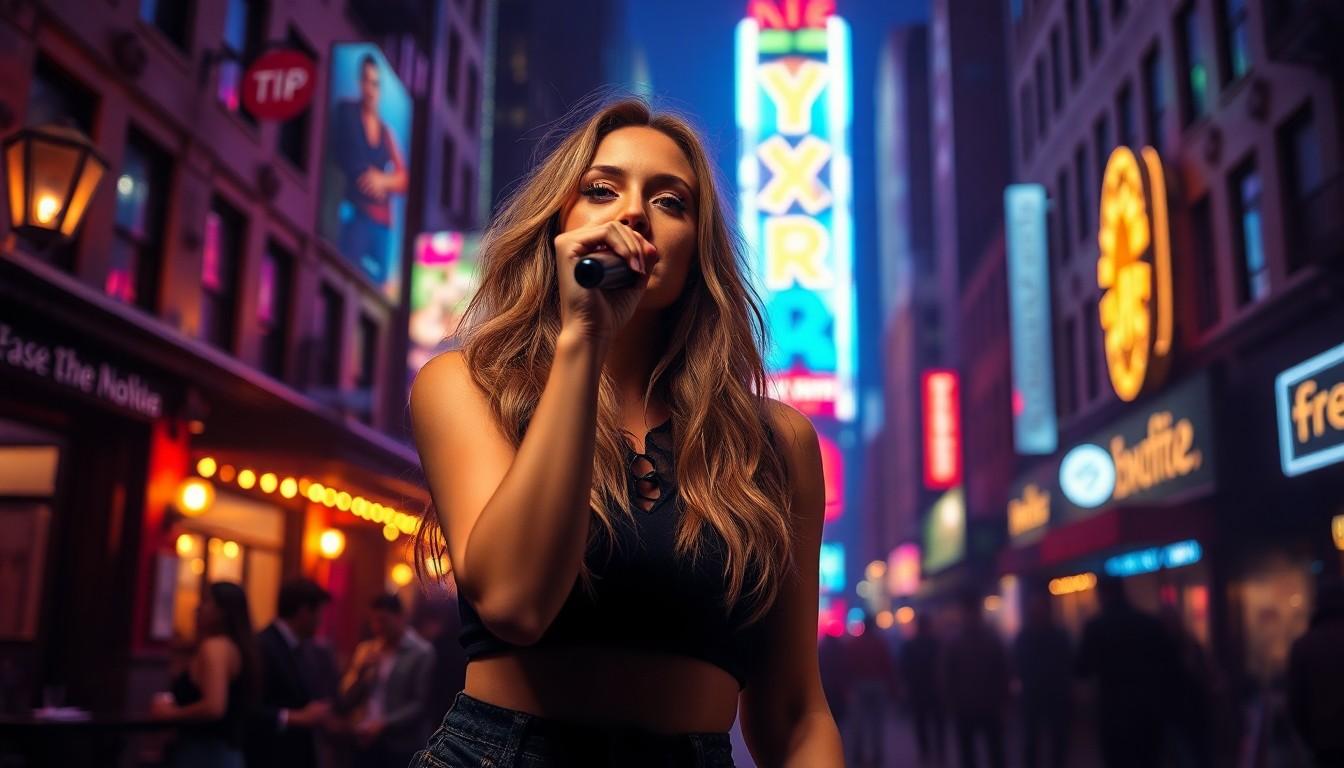
Shoppers and fans are flocking to rooftop bars and Pride stages as JoJo surprises crowds, reminding us why the singer-actress might just be a modern gay icon , for her music, her resilience and the way she shows up, live and loud, at Pride events in cities from New York to Miami.
Essential Takeaways
- Pride presence: JoJo has made surprise pop-up performances at Pride events and appeared at multiple Pride festivals, giving visible support where it counts.
- Career resilience: She’s built a multi-decade career from teen breakout hits to Broadway and a bestselling memoir, showing growth and grit.
- Musical impact: Early singles like "Leave (Get Out)" and later R&B records keep resonating emotionally and sonically.
- Pop-culture credentials: A Grammy winner and stage star, she crosses music, film and theatre with a steady, charismatic presence.
A surprise on the bar top , and why it mattered
There’s something disarmingly intimate about an artist climbing onto a bar top and singing to a packed room. It’s exactly what happened when JoJo turned an NYC night into a Pride warm-up, and those photos , smiling, casual, triumphant , do a lot of the talking. According to coverage of Pride-related parties and hotel events, venues are leaning into communal moments, and JoJo’s bar-top set felt like that sweet spot between celebrity and neighbour. For fans, seeing a star show up this way hits emotionally: it’s personal, warm and affirming.
From teen pop to mature R&B , the soundtrack of loyalty
JoJo’s story reads like a mini-chronicle of modern pop careers: breakout teen hits, industry pushback, reinvention and eventual vindication. Her early chart success still sounds familiar at karaoke and Pride sing‑alongs, while her later records lean into R&B depth that many fans say lands harder. When an artist keeps evolving but still delivers the songs people grew up with, loyalty turns into a kind of cultural currency , one that helps explain the "icon" conversation.
Visibility counts: performing at Pride and beyond
Icon status isn’t just about a back catalogue; it’s also about showing up. JoJo’s history of performing at Pride festivals , from Miami Beach to Savannah, and surprise New York sets , puts her in a particular bracket of artists who don’t just celebrate the community, they join it on its stages. Industry recaps and festival roundups have flagged these moments for years, and they add up: repeated, public acts of solidarity strengthen an artist’s bond with LGBTQ+ audiences.
Why representation and authenticity matter here
Being a gay icon often comes down to emotional honesty more than labels. JoJo’s vulnerability , in music, onstage and in her memoir , gives fans something to latch onto. Many gay icons are cherished for songs that speak to longing, independence or reinvention, and JoJo’s catalogue hits those notes. When an artist writes from a place that feels true, people see themselves in the music, and that shared recognition fuels fandom across decades.
Not every moment is perfect, but the arc is persuasive
No celebrity’s relationship with a community is without bumps; public reactions and headline moments sometimes complicate a picture. Still, JoJo’s combination of career longevity, vocal craft and repeated Pride appearances creates a persuasive argument. Critics and supporters alike point to the same thing: she’s present, she delivers, and she’s earned a place in the conversation about modern gay icons.
It's a small shift in how we celebrate stars , presence and perseverance matter as much as chart positions.
Source Reference Map
Story idea inspired by: [1]
Sources by paragraph: