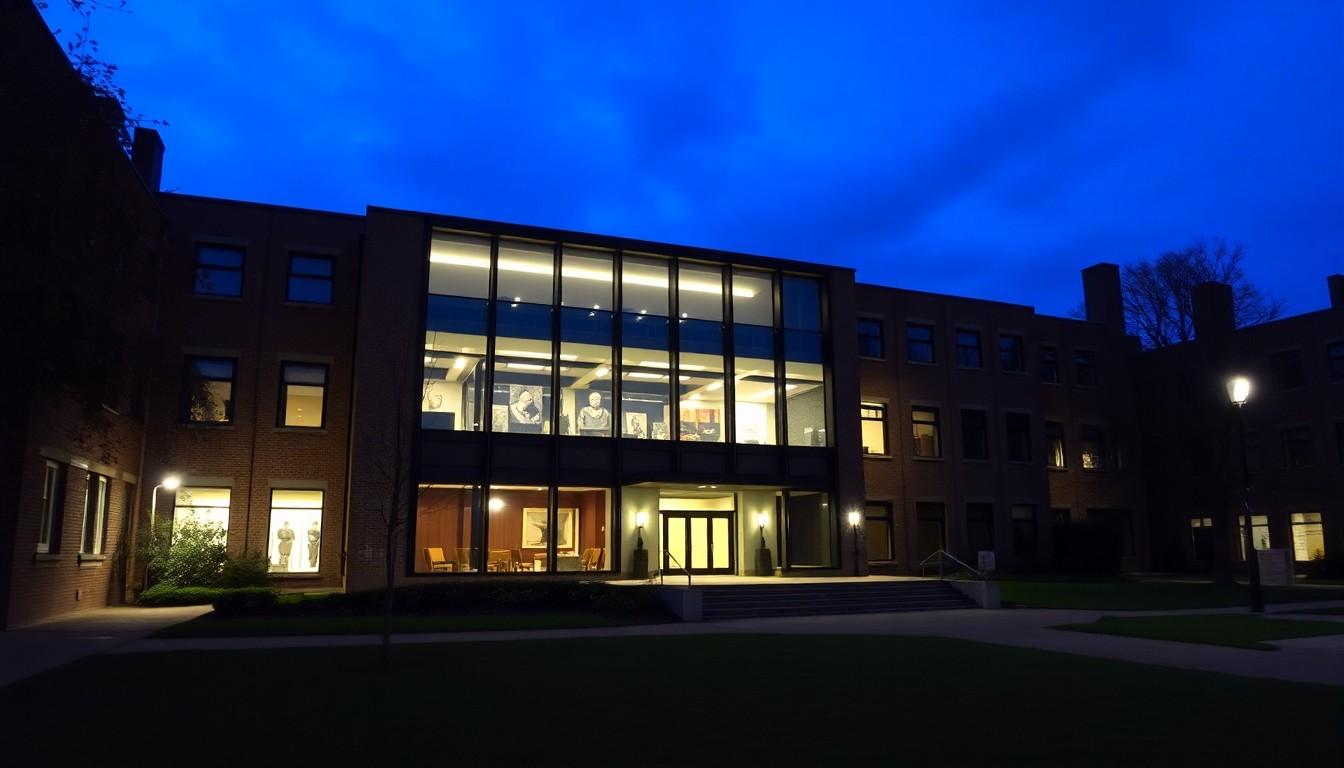
Shoppers of culture are turning a fresh page: Nicole Moolhuijsen’s Musei, genere e queerness has landed in Italy, offering the country’s first practical LGBTQ+ guide to visiting and interpreting museum spaces, and prompting a lively debate about how museums tell stories and who those stories serve.
Essential Takeaways
- New guide: Musei, genere e queerness is the first practical LGBTQ+ guide for Italian museums, curated by Nicole Moolhuijsen.
- Accessibility focus: The book aims to make museum spaces more welcoming to trans and non‑binary visitors and to challenge binary gender narratives.
- Collaborative roots: The guide grew from work between ICOM Italia and the Research Center for Museums and Galleries at the University of Leicester.
- Practical tools: It suggests interpretive strategies, exhibition labels and programming tweaks to broaden representation and inclusion.
- Public debate: The book has sparked discussion about historical interpretation, funding priorities and how museums balance conservation with social roles.
What the guide actually does , practical, hands‑on, and a little bit radical
The strongest point is simple: this is a practical manual, not an academic manifesto, and it feels usable when you pick it up. The pages offer concrete suggestions , from label wording to exhibition narratives , designed to make displays resonate with people who’ve been overlooked or misrepresented. According to ICOM Italia’s project outlines, the guide comes from a sustained effort to pair museum practice with gender and queer theory, so it’s rooted in real-world museum work rather than abstract polemic. If you run a local museum, the book reads like a toolkit you could start using next week.
Why museums are the new front line in cultural conversation
Museums have always curated memory, but the guide insists they also shape who belongs in that memory. That point has irritated some commentators who see such efforts as rewriting history or diverting funding. Others argue, sensibly, that interpretation always changes: we don’t just conserve objects, we ask what they mean today. The collaboration between ICOM Italia and the University of Leicester’s Research Center for Museums and Galleries shows this isn’t a bolt‑on trend; it’s part of an international conversation about inclusion and the social role of collections. For visitors, that can mean exhibitions that feel more relevant and less like a catalogue of famous men.
How the guide helps trans and non‑binary visitors feel at home
Small changes can make a big difference. The guide highlights practical adjustments , clearer signage, gender‑neutral facilities, staff training on respectful language , which create quieter, welcomeable spaces for people who often feel erased. There are also interpretive strategies: offering multiple readings of an object, foregrounding stories that resist domestic/masculine stereotypes, and making space for contemporary voices. Museums that try even a few of these steps often report warmer feedback from underrepresented communities and quieter, more engaged visits from the general public.
The pushback: who’s worried and why it matters
Not everyone’s happy. Critics paint the effort as political or as an attempt to “re‑write” the past, and some see museum projects as vehicles for securing extra funding rather than improving visitor experience. Those concerns remind us museums must balance scholarly rigour, conservation duties and public trust. Yet the guide’s authors stress context: they’re asking museums to expand interpretation, not to erase facts. The debate is healthy , it forces museums to justify interpretive choices more clearly and to engage audiences in what being “public” really means.
Where this fits in the wider museum world
This guide isn’t an isolated experiment; it’s part of a growing European dialogue on inclusion and access that organisations such as NEMO and ICOM have been promoting. European networks are sharing case studies and running webinars on queer museology, so Italian institutions joining the conversation is logical and timely. For museum professionals, the book offers a clear entry point into a practice that’s increasingly expected by funders and visitors alike. For the public, it promises exhibitions that reflect a fuller range of human experience.
It's a small change that can make every visit feel more honest and more welcoming.
Source Reference Map
Story idea inspired by: [1]
Sources by paragraph: