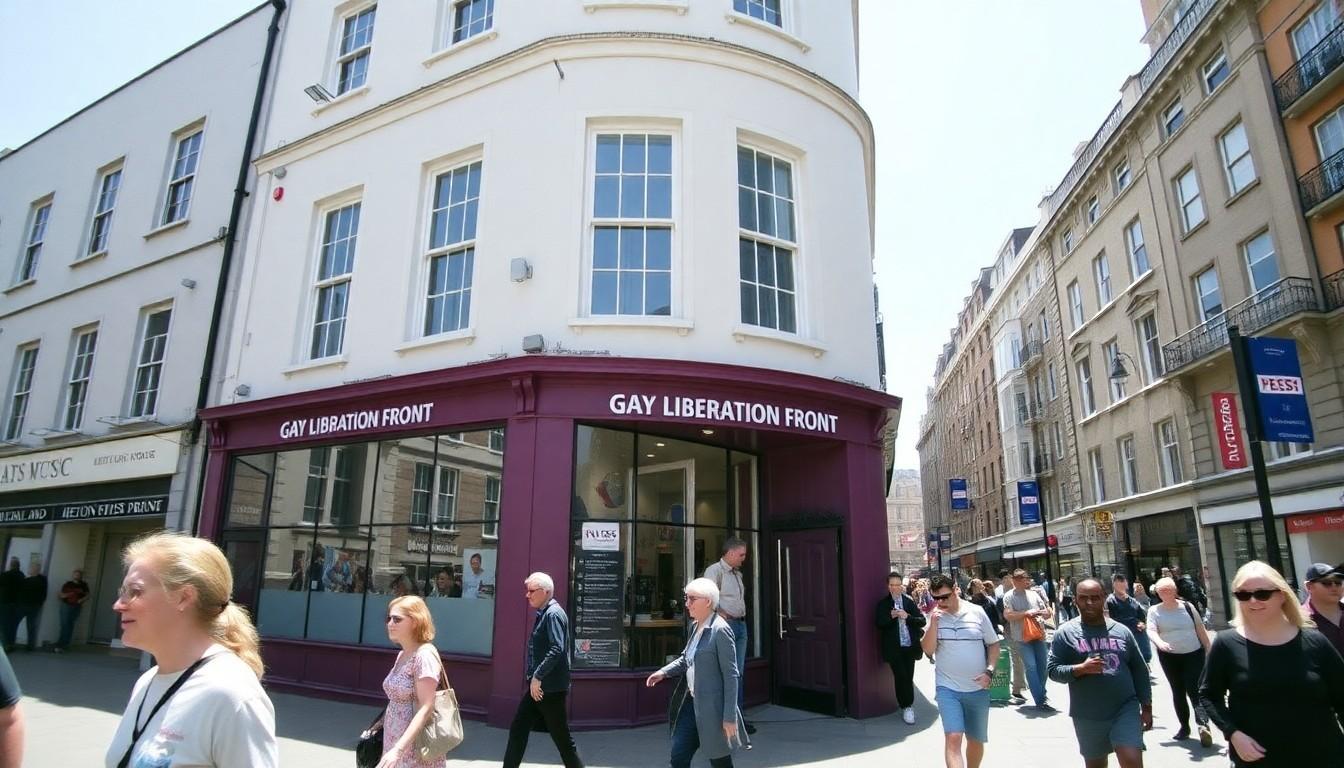
Shoppers and marchers alike have been reminded that Pride is part party, part protest , and the memory of Section 28 is a big reason why. From rainbow waistcoats to 200‑foot banners, organisers say Pride keeps freedoms visible and vulnerable rights in the spotlight.
Essential Takeaways
- Living memory: Section 28 still shapes UK LGBT+ activism, a reminder of past laws that forbade "promotion" of homosexuality.
- Visible protest: Symbols , waistcoats, pins, banners , are doing heavy lifting, turning celebration into a public pushback.
- Ongoing risk: Campaigners warn that rights can be rolled back elsewhere or weakened over time.
- Global ripple: Pride actions in Washington and other cities show a shared tactic: big, unmistakable displays that force debate.
Pride is part carnival, part warning bell
Pride has always had a dual nature: it’s bright, loud and joyful, but it’s also an occasion to say what’s not OK. That tension was clear when marchers donned rainbow waistcoats studded with political pins , a small, tactile way of reminding onlookers that the party has a point. According to archived accounts of the Section 28 era, laws can leave a long shadow, and many activists see Pride as an insurance policy against complacency.
Why Section 28 still comes up in conversations
Section 28 , the 1988 law that barred local authorities from "promoting" homosexuality , may have been repealed, but its effects linger. Researchers and history projects document how it chilled school discussion and silenced organisations, and that legacy explains why older campaigners are quick to link celebrations with protest. When people say "we mustn't let freedoms slip," they’re drawing a straight line from that punitive law to the need for constant vigilance.
Symbols do the work politics sometimes won’t
A pin or a waistcoat seems like a humble prop, but it communicates history and insistence at once. When activists pull out banners big enough to cover whole buildings or march through city centres, it forces politicians and passers‑by to look. Internationally, giant displays , like the huge rainbow unfurled at the US Capitol in recent years , show that visible, unapologetic Pride can shift the conversation and highlight where rights are under pressure.
From local repeal fights to global culture wars
Local campaigns beat Section 28 back in the UK through coordinated legal and grassroots pressure, a story preserved in national archives and equality group histories. Yet the contemporary landscape shows that rights aren’t guaranteed forever; other countries are seeing restrictions on Pride and public LGBT+ expression. That’s why activists say Pride’s protest roots are just as important now as when the laws were first challenged.
How to take part thoughtfully this Pride
If you’re going to march or watch, think about what you want to signal. Wear something clear and simple , a pin, a badge, a slogan T‑shirt , and pair celebration with a small act of civic engagement: sign a petition, donate to a legal defence fund, or volunteer with a youth group. Older attendees often carry memory and will tell you why the little things matter; listen, and bring water and a charged phone.
It's a small change that can make every celebration feel a little more like defence.
Source Reference Map
Story idea inspired by: [1]
Sources by paragraph: