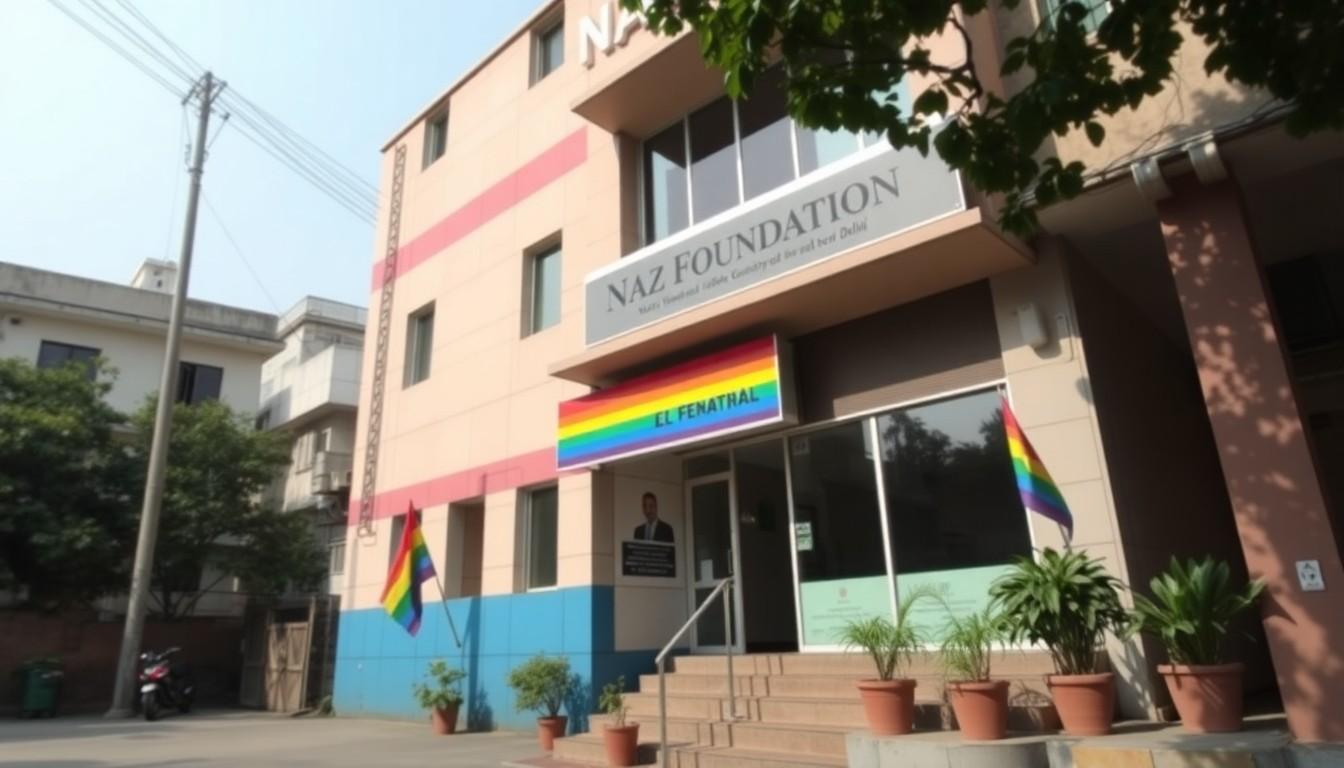
Shoppers are turning rainbow in June, but is Pride Month in India doing more than make good marketing copy? This piece looks at who benefits from growing Pride visibility, why corporate participation often falls short, and how Pride could pivot from symbolism to real economic and social inclusion.
Essential Takeaways
- Visibility matters: Pride parades and campaigns increase public acceptance and create public spaces for queer and trans people to be seen.
- Corporate gap: Many workplace diversity efforts are surface-level branding rather than structural change; discrimination and precarity persist.
- Uneven inclusion: Caste, class, language and regional divides mean mainstream Pride often centres the urban, middle-class queer experience.
- Economic angle: The “pink economy” is growing, but market visibility doesn’t automatically translate to access, jobs or protections.
- Practical pivot: Pride can amplify queer-owned businesses, mentorships and grassroots welfare programmes to link recognition with redistribution.
Why more rainbows don’t automatically equal progress
Pride’s colourful public visibility is emotionally powerful , there’s a pleasant, noisy energy to streets full of people asserting identity. But as commentators and analysts note, visibility alone can be misleading. According to reporting on corporate Pride practices, businesses often deploy rainbow branding and performative inclusivity while failing to tackle workplace exclusions or hiring gaps. That slick Instagram-friendly façade can make progress look larger than it actually is, and it’s important to separate optics from outcomes. If you’re cheering a colourful ad campaign, ask whether it’s matched by policies, grievance procedures and hiring pipelines that actually change lives.
How pink capitalism reshapes Pride politics
The rising market value of queer consumers has led to a professionalised, profitable Pride landscape. Critics call this pink capitalism: corporations profit from Pride while repackaging queer identities as market segments. Coverage of the phenomenon highlights how companies roll out Pride logos and events as a seasonal marketing play. This trend narrows the idea of who counts as a legitimate queer consumer , often the urban, English-speaking, middle-class individual , and sidelines queer people who don’t fit that template. For readers, the practical takeaway is to be sceptical of corporate gestures and to look for firms that back marketing with measurable workplace inclusion.
Who gets left out when Pride goes mainstream
Pride parades in Mumbai, Bengaluru and Delhi are increasingly visible, but many queer and trans people still face caste-based exclusion, rural precarity and language barriers. Dalit and marginalised activists argue that mainstream queer politics can reproduce existing hierarchies by treating sexuality as the sole axis of oppression. On the ground, that can mean a young trans graduate from a small town seeing little benefit from glossy campaigns. Understanding Pride’s limits means recognising how social stratification , caste, class, religion, disability , shapes who can safely march, work in tech, or access health and legal services.
Legal and workplace realities: progress and the gaps
Legal changes over the past decade have been significant in India, opening spaces for recognition and litigation around partnership and identity. Still, law and lived experience often diverge: workplace discrimination, economic insecurity and lack of social protections continue to plague many LGBTQIA+ people. Coverage of workplace inclusion shows that many corporate Pride initiatives focus on training and visibility rather than structural fixes like equitable hiring, anti-discrimination enforcement, or social security access. If you work in HR or run a business, the practical move is to pair Pride campaigns with transparent recruitment targets, support networks and safe reporting mechanisms.
Turning Pride into a platform for economic justice
Some community members propose a constructive pivot: use Pride’s visibility to spotlight queer-owned microenterprises, co-ops, mentorships and business forums that build economic agency. The idea is simple and tangible , instead of merely celebrating identity, Pride could help create livelihoods. Marketplace-focused reporting on the pink economy suggests there’s spending power to be mobilised for community benefit. For activists and organisers, hosting job fairs, skills workshops and funding clinics during Pride could be a way to translate recognition into material gains.
Where forward-looking Pride could lead
Pride’s strength has always been its dual nature as celebration and protest; joy remains political in contexts where queer lives have been criminalised or marginalised. The future of Pride in India may depend on whether organisers and allies can weave recognition together with redistribution. That means pressuring corporations to back credible policies, centring marginalised queer voices in leadership, and turning parade platforms into opportunities for economic support. It’s a tall order, but it’s also a practical roadmap: visibility that doesn’t lead to better living conditions is incomplete, and Pride’s relevance will grow if it addresses structural inequalities head on.
It's a small change in emphasis that could make every June feel like more than a colourful moment.
Source Reference Map
Story idea inspired by: [1]
Sources by paragraph: