Watch thousands take to London’s streets as Pride in London 2026 arrives under the banner “Many Voices. One Front,” with Sadiq Khan urging allies, politicians and venues to protect trans rights, queer nightlife and hard-won freedoms across the capital.
Essential Takeaways
- Mayor’s message: Sadiq Khan warned we “can’t be complacent” and urged leaders not to use trans people as a political football.
- Pride scale: Tens of thousands joined the parade in central London, creating a vivid, noisy show of solidarity.
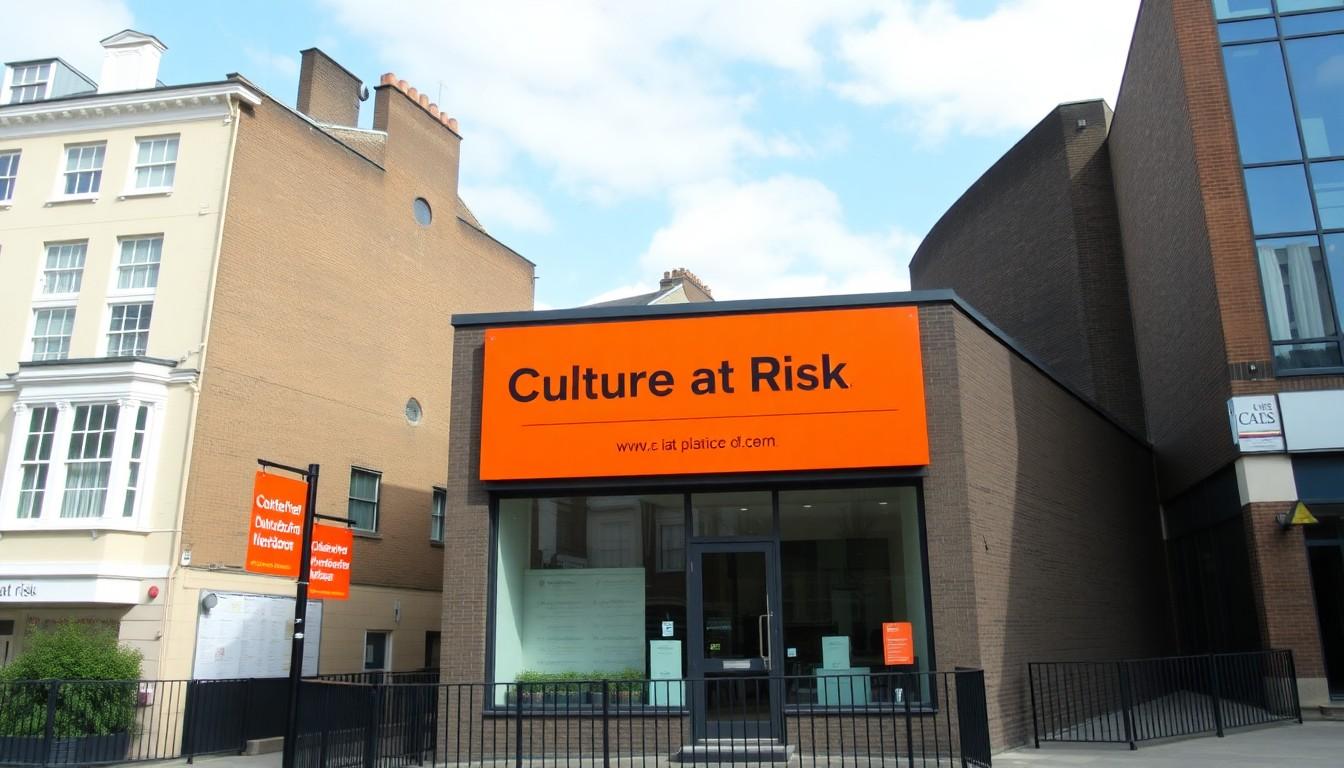
- Nightlife at risk: London has lost several LGBTQ+ venues; City Hall backs measures like a Culture at Risk Office to help protect them.
- Political spotlight: Khan praised Andy Burnham as a strong ally and suggested the importance of pro-LGBTQ+ leadership at national level.
- Mood on the ground: Celebration mixed with protest , colourful, loud and anxious, with clear calls for continued action.
A loud, proud reminder: why the mayor keeps returning to Pride
Sadiq Khan leading the march isn’t a ceremonial photo-op, it’s a clear, emotional statement that allyship matters. He says he knows what it’s like to be treated differently, and that lived empathy has shaped his approach. According to coverage of the event, thousands packed the route, and that buzz , the colours, chants and tearful reunions , makes the point: Pride is celebration and protest rolled into one. For readers wondering why a mayor’s presence matters, Khan’s message is simple: leadership that shows up changes how communities are seen.
Trans rights aren’t a political prop
Khan was blunt about the current climate for trans people, calling the stigma “unacceptable” and asking political figures to stop using trans rights as a wedge issue. The mood at Pride reflected that anxiety; people marched with banners demanding basic dignity as well as legal protections. This isn’t just rhetoric , it’s about safety and public discourse , so if you want to support local trans groups, look for grassroots fundraisers, helplines and community centres that need both volunteers and donations.
Queer venues: why London must act before more doors close
Across the capital, beloved LGBTQ+ venues are disappearing, and that loss is both cultural and practical , clubs and bars are often the first safe places many people find. Khan pointed to City Hall’s Culture at Risk Office as part of the answer, but said more powers over licensing are needed to stop risk-averse councils bowing to a vocal minority. If you care about your local queer scene, show up outside office hours, write to councillors when licences are threatened, and pick venues to support during quieter nights, not just Pride weekend.
What the crowds and the route tell us about the movement today
The parade was both bigger and more diverse than many expected, with coverage noting tens of thousands on the streets and galleries full of striking moments. That scale matters: mass visibility dampens hostility and amplifies policy asks. But visibility alone won’t keep venues open or halt hate crimes, which is why organisers stress a dual approach , celebrate loudly and lobby methodically. Practical tip: if you join a march, bring water, wear sun protection, and plan a rendezvous point for groups , it keeps the day fun and less fraught.
Politics, personality and the next chapter for LGBTQ+ Britain
Khan praised Andy Burnham as a long-time ally, pointing to his record in Manchester and suggesting a pro-LGBTQ+ prime minister would matter. Earlier reporting has outlined Burnham’s past apologies and evolving stance on policing and discrimination, so the political dimension is real: national leadership affects funding, safety and culture. Still, much of the heavy lifting happens locally , councils, landlords and policing policy shape whether queer spaces survive. Expect activists to keep pressuring both City Hall and Westminster.
It's a small change that can make every march, bar and life safer.
Source Reference Map
Story idea inspired by: [1]
Sources by paragraph: