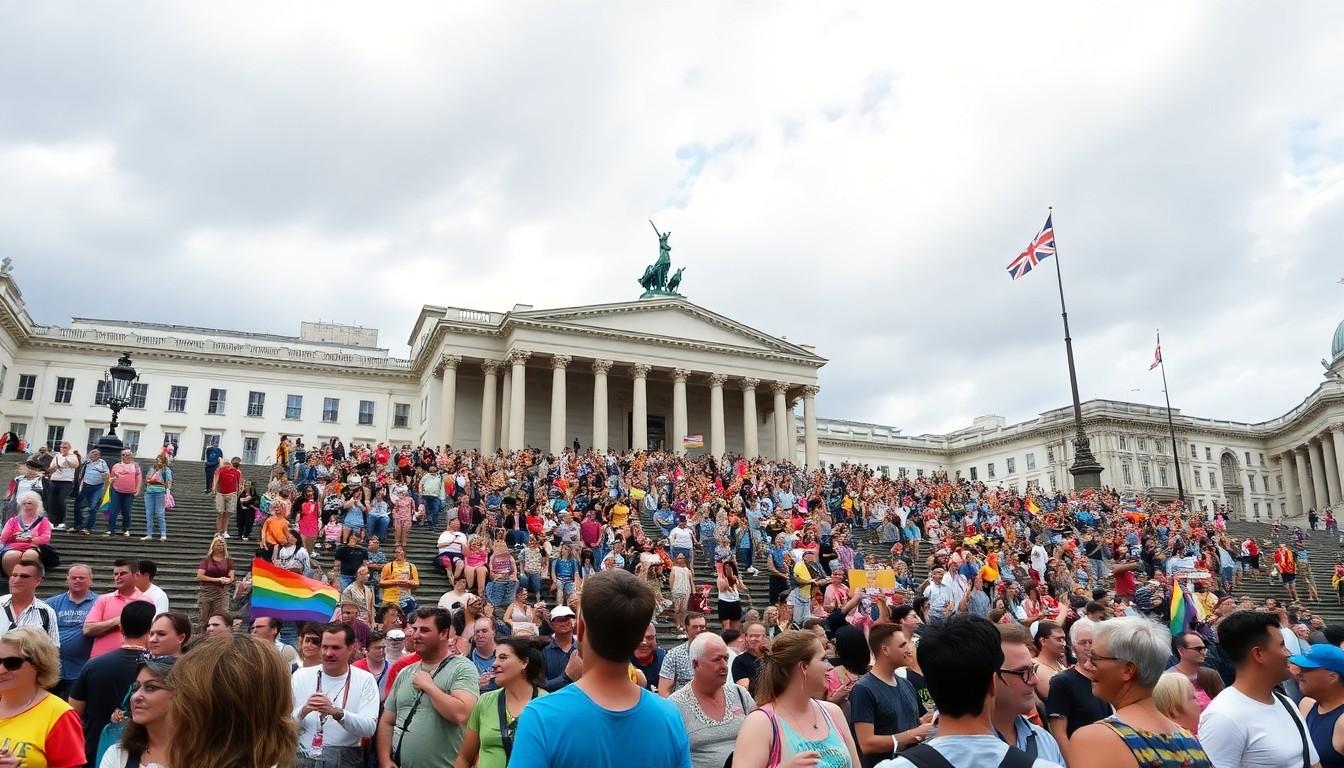
Shoppers, onlookers and communities turned out in force for Pride in London, as tens of thousands filled the capital’s streets , and supporters say standing together felt more important than ever after a turbulent year for the organisation. Here's what mattered, why the crowds swelled, and how the day looked and felt.
Essential Takeaways
- Huge turnout: Organisers expected more than one million people in central London, with packed streets and festival zones.
- Emotional atmosphere: Attendees described the event as uplifting and vital, with a warm, celebratory energy and colourful displays.
- Organisation resilience: Pride in London pressed ahead despite recent legal and governance turmoil, saying it was “overwhelmed” by support.
- Visible diversity: Marches and side events highlighted a broad spectrum of LGBTQ+ groups, including explicit representation for trans communities.
- Practical notes: Expect crowds, street closures and a lively programme across multiple venues , come early and plan meeting points.
Why so many people showed up , and why it mattered
The scale was immediate: London's streets felt full, the air thick with flags, music and chatter, and that noise carried a message , support. According to reports, organisers were expecting more than a million visitors, and thousands of attendees told the BBC that supporting Pride felt “more important than ever.” That sense of urgency was part celebration, part solidarity, and reflected a desire to be visible together.
Organisers had weathered a difficult year, including legal disputes and questions about leadership, so the turnout also read as reassurance. For many, simply being there was a statement: festivals like Pride aren’t just parades, they're public declarations that communities matter, visible in the crowds and the cheers.
The backdrop: controversies, court cases and a bid to rebuild trust
Pride in London had spent months under scrutiny following governance issues and a long-running legal dispute with its former chief executive. Media outlets covered allegations, investigations and court developments, which left the charity under pressure to restore confidence among volunteers, partners and the public.
Despite that, the organisation publicly thanked its community, volunteers and stakeholders for their support. The festival’s ability to go ahead at scale suggested a pragmatic focus on the event’s core purpose , celebration and advocacy , while legal and internal matters continued to be resolved.
What the day looked and felt like on the ground
If you were there, you'd notice the sensory details: glittering outfits, loud pop anthems bleeding across avenues, and the warm smell of street food mingling with summer air. Marching contingents ranged from tiny community groups to large corporate floats, while fringe events amplified voices often sidelined in mainstream coverage, including trans and non-binary representation.
Attendees told reporters the atmosphere was both joyful and resolute. For many, Pride is equal parts party and protest , a place to celebrate identity and to demand rights. That dual nature kept the tone lively but focused, and made it clear why so many people prioritised showing up.
How Pride's challenges changed how people engaged
The controversies meant some volunteers and sponsors took a closer look at governance and transparency, and attendees noticed a renewed emphasis on community-led programming. Events like Trans Pride received noticeable attention, reflecting wider conversations about inclusion and who Pride serves.
If you’re thinking of going next time, consider arriving early, agree on a mobile-free meeting spot with friends, and check official channels for route and safety updates. Staying informed helps you enjoy the day while supporting groups that rely on public presence and donations.
Looking ahead: rebuilding and keeping the message alive
Organisers said they were “overwhelmed by the support, love and commitment” shown this year, a phrase that underlines both relief and determination. The event’s success in drawing crowds offers a platform to rebuild trust, reaffirm priorities and keep the community visible in public life.
The real work continues off the parade route , in governance reforms, clearer accountability, and ensuring Pride remains a safe, welcoming space for everyone. For now, the sight of packed streets felt like a reset: a reminder that collective celebration can be a powerful form of support.
It's a small change that can make every celebration and campaign safer and stronger.
Source Reference Map
Story idea inspired by: [1]
Sources by paragraph: