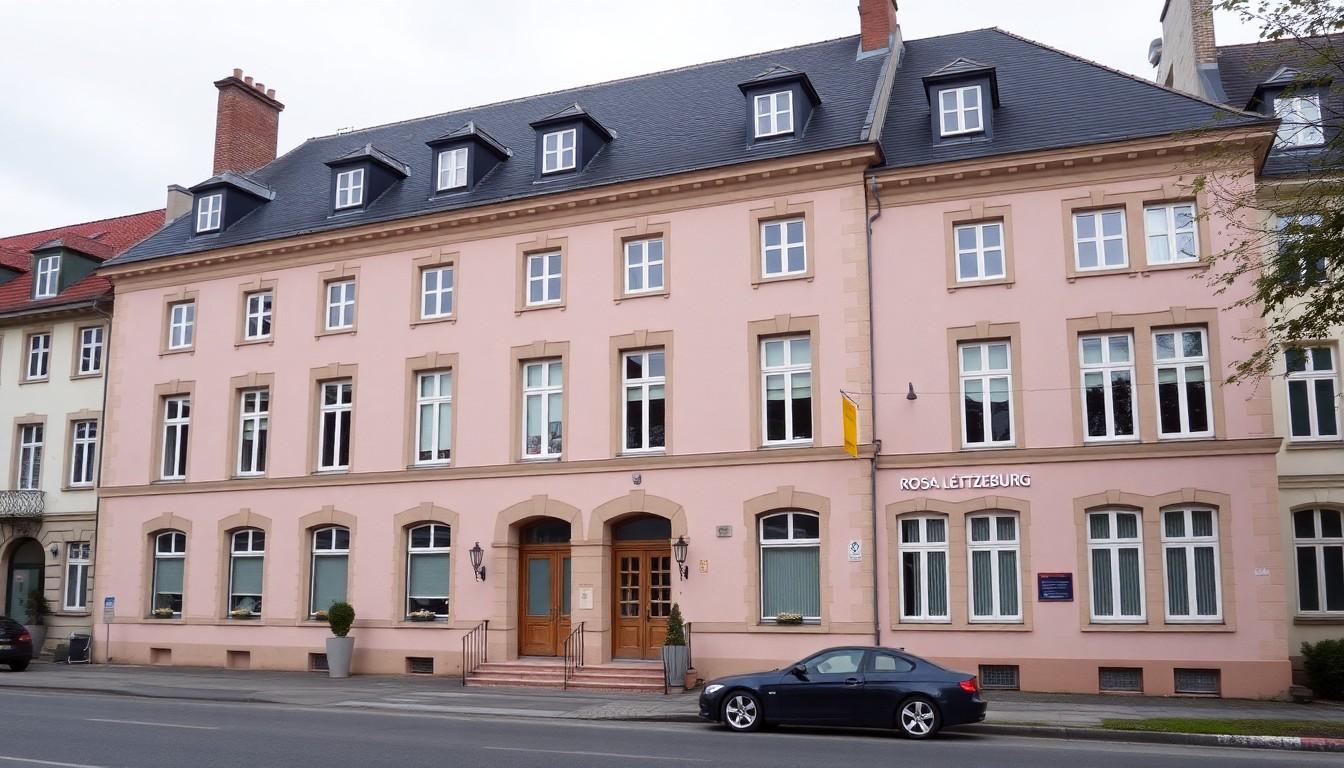
Shoppers are turning their attention to Luxembourg's queer story as Rosa Lëtzebuerg celebrates 30 years , activists, volunteers and cultural centres have pushed major legal wins, but leaders warn political inertia means more legislative change is needed to truly protect LGBTIQ+ lives.
Essential Takeaways
- Three decades of wins: Rosa Lëtzebuerg helped secure civil partnerships, marriage equality and adoption rights in Luxembourg.
- Community hubs matter: The Centre Cigale and Rainbow Centre provide information, culture and support, and feel warm and accessible.
- Volunteer-powered: Much of Rosa’s work still depends on volunteers, though public funding supports core staff.
- Diverse needs: Lesbian couples, trans people, youth and older queer citizens all face different issues; one-size policy won’t cut it.
- Calls for more change: Leaders say legal progress hasn’t removed everyday discrimination and legislative gaps remain.
Pride with a purpose: celebrations and a sober look at politics
Luxembourg’s Pride season began with upbeat events, colourful parades and people trading stories, but Rosa Lëtzebuerg used the moment to remind everyone that celebration and campaigning go hand in hand. The anniversary feels celebratory , there’s a warm, resilient energy in the Rainbow Centre’s halls , yet organisers say the political pace has stalled. According to Rosa’s spokespeople, achievements like marriage equality are major, visible wins, but they don’t erase daily hurdles faced by many community members.
What Rosa achieved: law, support and cultural space
Over 30 years, Rosa helped turn major demands into law: civil unions, marriage for same-sex couples and access to adoption are now realities in Luxembourg. Beyond laws, the association has helped build infrastructure , the Centre Cigale offers information and support, while the Rainbow Centre hosts culture and community gatherings. These spaces give a soft, safe backdrop to hard-won rights and remind people that legislation is only one piece of a larger social puzzle.
Volunteers still drive the movement , funding keeps the lights on
Rosa began as a volunteer project and, despite growth, voluntary energy remains central to its work. A modestly funded, conventioned section supported by the ministry of Equal Opportunities allows the association to hire staff and sustain services, but many activities still rely on unpaid commitment. That mix is powerful , passionate people keep programmes vivid , but it also means sustainability depends on continuing public support and volunteer recruitment.
Diversity within the community: why one law isn’t enough
The community Rosa represents is wide-ranging: lesbian couples thinking about parenthood, trans people navigating medical and social transitions, queer youth seeking peer networks, and older LGBTIQ+ people who need different supports. Leaders stress policies must reflect that variety; a single legislative victory won’t solve specific health, housing or family-law problems. Practically, that means targeted services, sensible legal tweaks and better training for public servants.
What’s next: practical fixes and political pressure
Rosa is pushing for further legislative changes to close gaps the community still faces, and organisers want stronger anti-discrimination measures, clearer trans healthcare pathways and family law adjustments. They’re also encouraging people to volunteer, donate, or simply turn up to events , civic engagement matters. Looking ahead, the association plans to keep cultural programming alive while lobbying for laws that make everyday life safer and fairer.
It's a small change that can make every pride march and quiet conversation safer.
Source Reference Map
Story idea inspired by: [1]
Sources by paragraph: