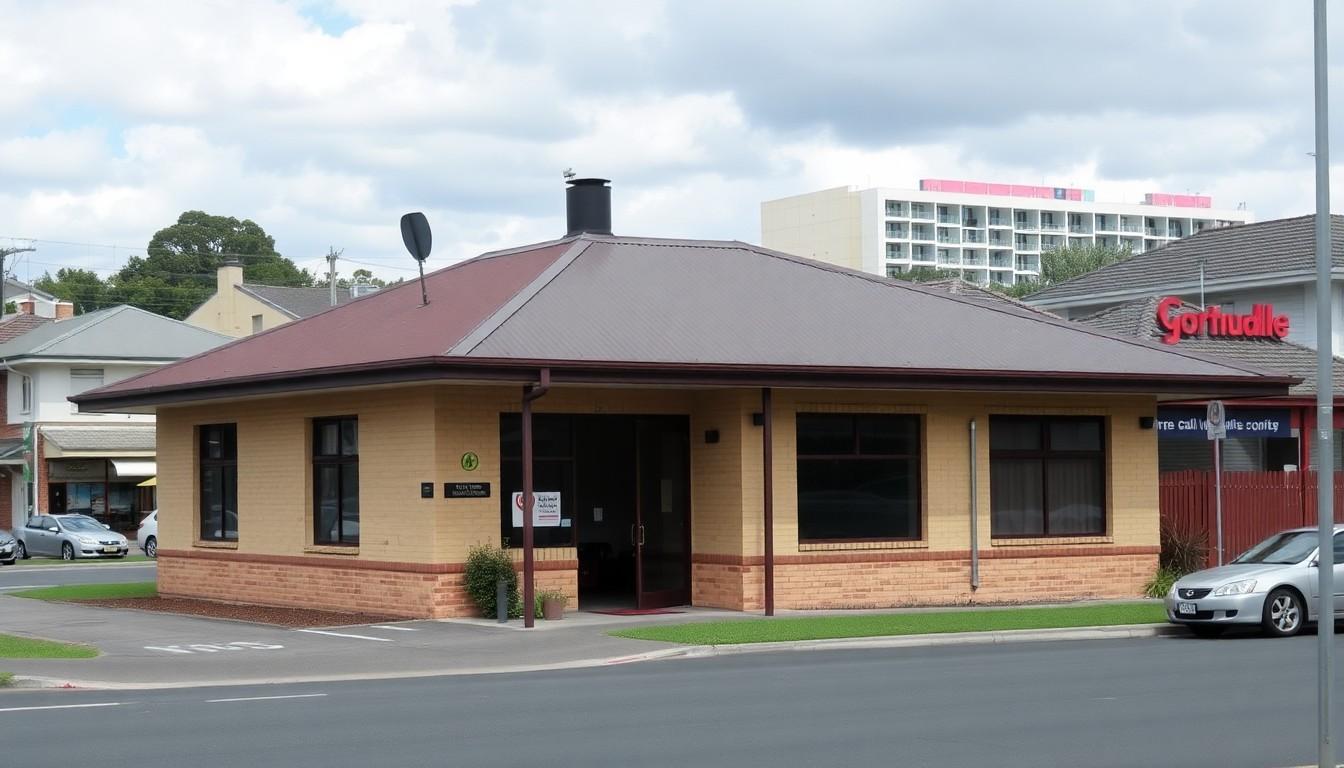
Shoppers, parents and neighbours are part of a quieter queer story , researchers are recruiting LGBTQ adults in Sydney, Melbourne and Hobart’s outer suburbs to map wellbeing, belonging and how local areas can become safer and more inclusive.
Essential Takeaways
- Who’s behind it: La Trobe University’s ARCSHS and Western Sydney University are leading the three‑year Out In Suburbia study, funded by the Australian Research Council.
- Who they want: LGBTQ adults living in outer suburban areas of Sydney, Melbourne or Hobart are invited to confidential interviews.
- What they’ll explore: Wellbeing, sense of belonging, community connections, and local threats such as anti‑LGBTQ activism and social isolation.
- Practical aim: Findings are designed to help councils and community organisations develop policies, infrastructure and programs that boost inclusion.
- Tone and texture: Researchers say outer suburbs show both vulnerability and resilience , think quiet strengths rather than the glitz of inner‑city gaybourhoods.
Why a study on outer suburbs matters now
Outer suburbs feel different: quieter streets, new housing estates, and a patchwork of shopping strips and community halls rather than a single visible gay precinct, and that difference has real effects on daily life. According to La Trobe University researchers, attention has often focused on inner‑city gaybourhoods or far‑flung regional towns, leaving outer suburban LGBTQ experiences under‑examined. That means we don’t yet fully understand the pressures people face , from lower community connectedness to targeted backlash , or the practical ways to make these places safer.
Backstory: the project follows evidence of higher psychological distress and lower social connection for some LGBTQ people living away from city cores, alongside spikes in anti‑LGBTQ activity targeting local events. The team wants to map those patterns, but also to spotlight everyday strengths , friendly neighbours, local services, and small acts of solidarity that make a difference.
What the researchers will actually do
The Out In Suburbia team will recruit participants for confidential interviews, asking people to walk them through where they live and explain what matters day to day. Researchers will combine lived experience with policy recommendations, working alongside organisations such as ACON, Thorne Harbour Health and Equality Tasmania, plus local government peak bodies.
In plain terms, the study is qualitative and grounded , it’s about stories and places rather than broad surveys alone , which should produce practical, council‑focused advice on things like community programs, safe public spaces, and local communications. If you live in the outer suburbs of Sydney, Melbourne or Hobart, your experience could directly shape council plans.
What’s at stake: risks and resilience in suburbs
Outer suburbs can look ordinary, but they’re not neutral for LGBTQ residents. Researchers cite higher opposition to marriage equality in some of these areas during past national surveys, and activists have increasingly focused organising on local issues like drag story times and youth programs. That creates both a safety concern and a civic challenge for councils trying to balance contested public debates.
Still, the narrative isn’t all negative. The study aims to illuminate strengths: informal friendship networks, local services that quietly support people, and community events that foster belonging. Knowing what’s working is as important as knowing what isn’t , and the research will centre both.
How councils and community groups could use the findings
Local governments will be a key audience. Project advisers include members of the Rainbow Local Government campaign and peak municipal bodies, and one explicit goal is to offer councils concrete tools. Expect recommendations about accessible infrastructure, targeted community programs, public celebration of diversity, and better support for local health services.
Practical tips for councillors: listen to local voices, fund small but visible events, partner with health and LGBTQ organisations, and review public‑space safety measures. For neighbourhood groups, a small visible act , inclusive signage, an ally training session, or a local celebration , can shift the tone in subtle but durable ways.
How you can take part or stay informed
If you’re an LGBTQ adult living in an outer suburban area of Sydney, Melbourne or Hobart and you’d like to share your experience, the research team is open for registrations to take part in interviews. Participation is confidential and intended to influence policy and local programs.
Researchers hope the project will lead to practical change: safer streets, more welcoming services, and stronger community connection for people wherever they live.
It’s a small but meaningful chance to help shape the places where people go about their ordinary lives.
Source Reference Map
Story idea inspired by: [1]
Sources by paragraph: