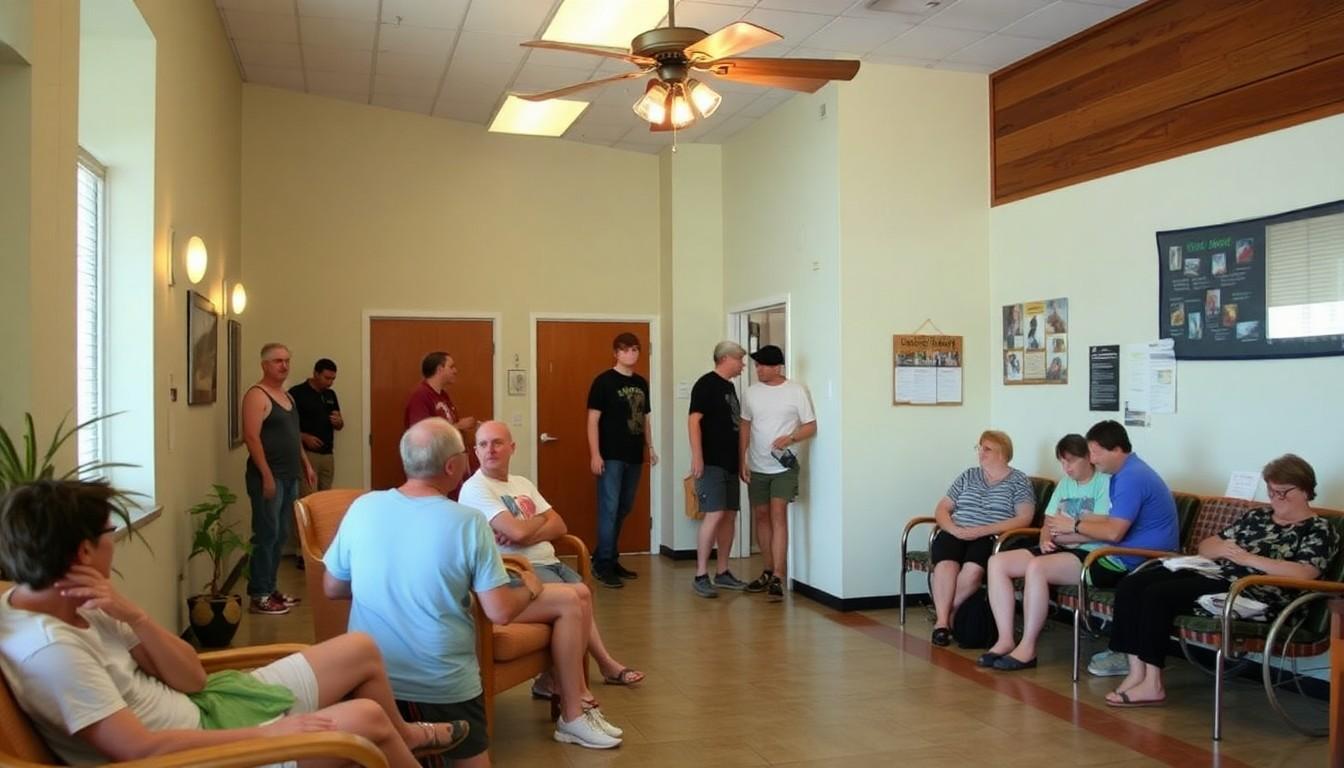
Showing up matters. Community outreach coordinator Tom Griffiths has turned lived experience into a hands-on approach to HIV prevention across Galveston and the Gulf Coast, helping people access testing, housing, transport and compassion , and proving that human connection is as powerful as any public-health campaign.
Essential Takeaways
- Experienced outreach: Tom Griffiths works as Outreach & Prevention Coordinator at Access Care of Coastal Texas (ACCT), combining professional training with lived experience of HIV.
- Street-level work: He spends much of his time visiting drug rehabs, shelters, health fairs and community events to meet people where they are.
- Holistic services: ACCT offers testing, education, housing help, transport and insurance navigation, not just clinical care.
- Community-first ethos: Griffiths focuses on normalising sexual-health conversations and reducing stigma through listening and presence.
- Local culture matters: Galveston’s tight-knit LGBTQ+ scene , bars, pride groups and grassroots events , helps sustain outreach and mutual support.
A face-to-face approach that starts with listening
The clearest thing about Griffiths’s work is how deliberately low-tech it is: meet people, listen, and make them feel seen. That warm, almost tactile style , the relief of being heard , is what he credits for breaking through shame and silence. According to ACCT’s model, that kind of rapport opens doors to testing, treatment and longer-term services.
He didn’t fall into outreach by accident. After recovery and time in addiction services, Griffiths was trained for HIV prevention work and chose the island community. That background gives him credibility; clients sense he understands the messy, human side of health decisions. It’s a simple lesson for other programmes: training matters, but trust matters more.
Going beyond needle exchanges and test kits
ACCT isn’t just about handing out condoms or rapid tests. The agency links people to housing assistance, rides to appointments, insurance help and ongoing education , practical items that keep people in care. This holistic approach reflects wider trends in public health, where social determinants like housing and transport are as important as medication.
For outreach teams elsewhere, the takeaway is straightforward: build partnerships with local shelters, rehab centres and community hubs. Those relationships let workers reach people who slip through clinic-based nets. Griffiths’s rounds , from health fairs to homeless shelters , show why flexibility is critical.
How lived experience amplifies prevention messages
Griffiths’s openness about his own diagnosis has become a tool for change. He says being an “open book” helps destigmatise conversations and reassures newly diagnosed people that life continues. This mirrors what researchers and community groups increasingly report: peer-led outreach often achieves greater uptake of testing and treatment.
If you’re designing a programme, consider recruiting staff with lived experience and investing in peer-support training. Clients respond to authenticity; hearing “I’ve been there” often matters more than stats or brochures.
Small-town queer life as an outreach advantage
Galveston’s queer scene is smaller than Houston’s, but that scale can be an advantage. Bars like Robert’s Lafitte and Island Time, local groups and Pride events create a dense social web where word of mouth travels fast and volunteers show up for fundraisers. Griffiths says that closeness builds resilience after storms and during hard times.
That community fabric helps ACCT’s work because informal networks steer people to services. For other coastal or rural programmes, nurturing visible community spaces and local events can be a pragmatic way to expand reach.
Practical tips if you or someone you care about needs help
- If you need testing, start with ACCT’s website or contact points to find local clinic times and outreach events.
- Look for providers who offer wraparound services , housing, transport and insurance support , not just tests.
- If you’re nervous about stigma, ask about peer navigators or outreach workers with lived experience; they can make the first visit easier.
- For community groups, focus on building relationships with rehabs, shelters and nightlife venues to reach people where they are.
Tom Griffiths’s message is simple and steady: when people feel seen and heard, they’re likelier to engage with prevention and care. It’s a small shift in approach that makes a big difference across the Gulf Coast.
It's a reminder that conversation still prevents more than any pamphlet ever could.
Source Reference Map
Story idea inspired by: [1]
Sources by paragraph: