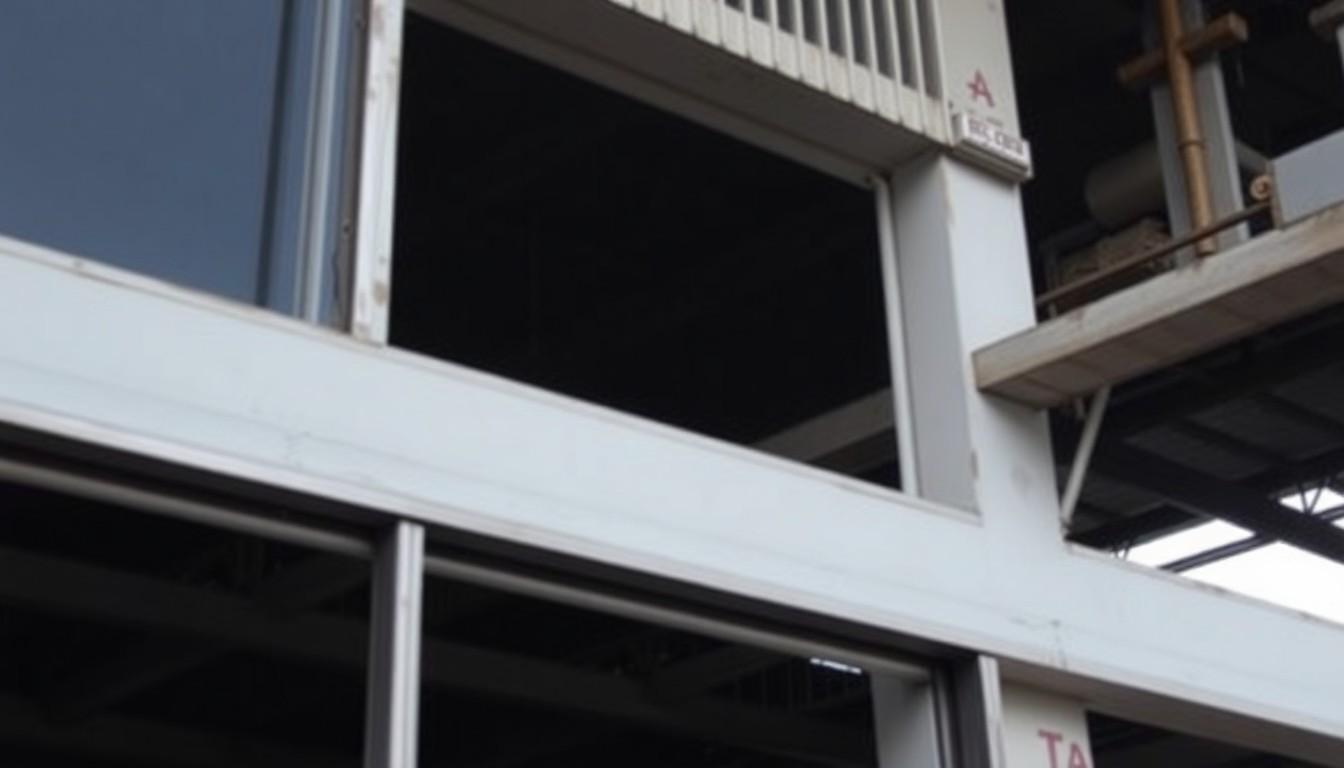
Shoppers aren’t the story here , worshippers are. In Nairobi a secretive, queer-friendly church has become a refuge for LGBTQ+ Christians who face hostility at home and in public; it matters because it offers community, spiritual belonging and practical protection in a country where being queer can cost you family, work and safety.
Essential Takeaways
- Safe space: The congregation meets in an anonymous industrial building with rainbow markers inside to signal welcome and secrecy.
- Visible relief: Services blend loud worship with casual dress; people hug, sing and cry , it feels warm and honest.
- Leadership: Pastors like Caroline Omolo combine pastoral care with activism, publicly opposing conversion therapy.
- Risk and privacy: Many attendees remain anonymous; organisers photograph carefully and register visitors to keep the space secure.
- Wider context: Homosexuality remains illegal in Kenya and social stigma is high, though younger people show shifting attitudes.
Why an underground church matters in Nairobi
There’s something quietly striking about a Sunday service that starts in a plain factory unit and quickly becomes a room full of voices. The sound is full, the worship is loud, and you can almost feel people relax as they sing. According to reporting from NRK and follow-up coverage, this congregation grew from just a handful of attendees to a bustling community because it answers a basic human need: a place to belong without being judged. For LGBTQ+ Kenyans the stakes are high, so the church’s blend of warmth and discretion is not a novelty , it’s survival.
How the services look and why they feel different
Walk in and you’ll see people in everything from suits to Sunday dresses, some wearing rainbow wristbands, others keeping their identities guarded. The tone is unmistakably inclusive: hymns and prayers sit alongside personal testimonies, and leaders intentionally make space for queer identities within Christian faith. International outlets have described how members sing in Swahili and English, hug each other and find a family they might have lost. That mix of ordinary rituals and radical welcome is what draws people back week after week.
Leadership, activism and the fight against conversion therapy
The church isn’t just a place to worship; it’s a platform for resistance. Pastors such as Caroline Omolo speak out against conversion therapy and publicly advocate for human rights. Local reporting and regional groups have documented the harm conversion practices cause, and clergy-led opposition gives the movement both moral and practical muscle. For many congregants this leadership is a lifeline , pastors offer spiritual counsel, legal pointers and a visible argument that being queer and Christian are not mutually exclusive.
How attendees balance visibility and security
Keeping the congregation safe means carefully managing who’s photographed and how meetings are publicised. Organisers ask for consent before images are taken and make sure those who need to stay anonymous can do so. That pragmatic privacy extends beyond cameras: members often keep their participation secret from family or colleagues because being out can mean losing financial support or housing. Research and community groups say economic vulnerability is one reason many LGBTQ+ Kenyans hide their identities, so the church’s discretion is as practical as it is compassionate.
The broader legal and social picture in Kenya
Kenya’s laws criminalising same-sex relations have colonial roots and homophobia remains widespread, even if prosecutions are rare. Debates in parliament have at times pushed for harsher penalties, though not all proposals have succeeded. Regional coverage shows a mixed African trend: some countries are tightening restrictions, others are liberalising. That shifting landscape affects how congregations plan for the future and how members imagine a more accepting Kenya. For now the church gives hope , and a realistic roadmap for navigating a difficult present.
It's a small change that can make every worshipper feel safer and more seen.
Source Reference Map
Story idea inspired by: [1]
Sources by paragraph: