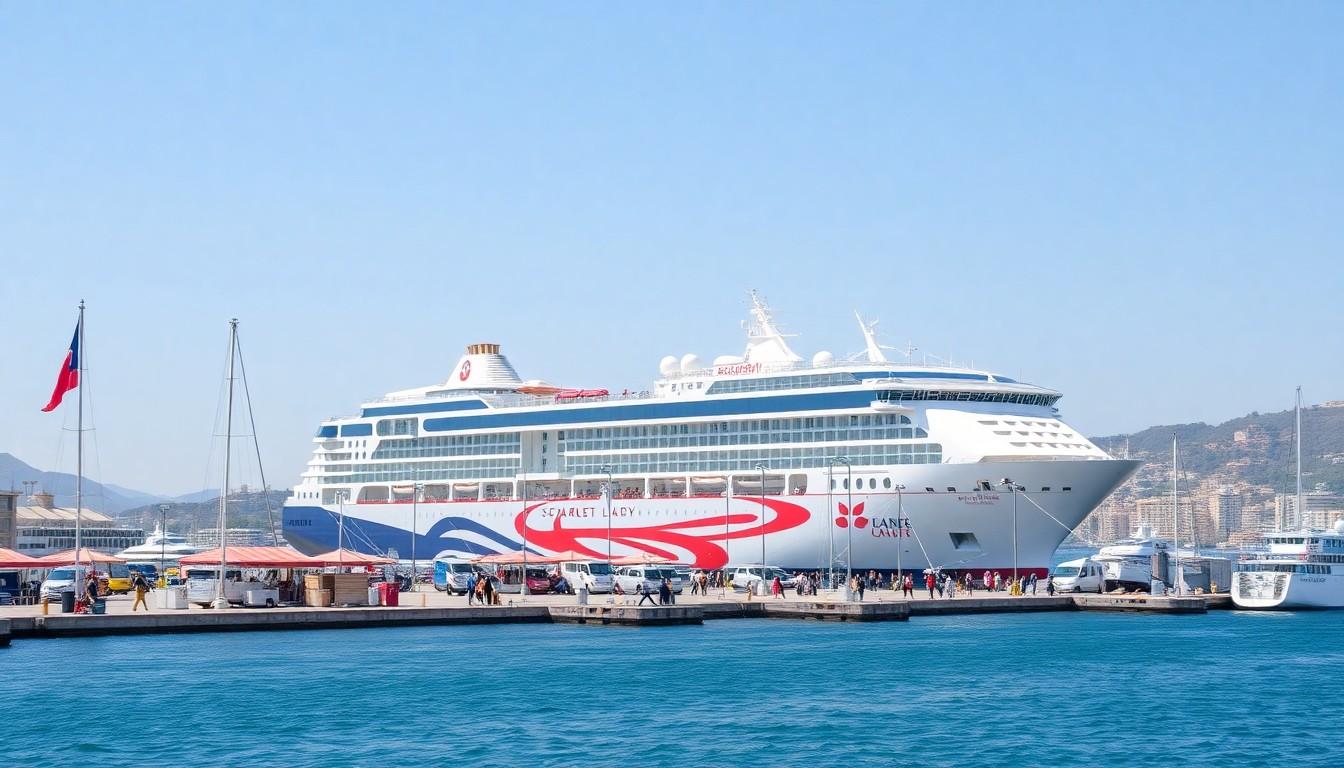
Shoppers are scanning headlines after Turkey barred the all-LGBTQ+ cruise ship Scarlet Lady from docking in Kuşadası and Istanbul, a decision officials say was made to protect "moral values." This move halted a high-profile Atlantis Events voyage with around 2,000 passengers and has sparked international criticism and concern.
Essential Takeaways
- What happened: Turkish authorities denied docking permission to the Scarlet Lady, cancelling planned visits to Kuşadası and Istanbul for reasons tied to public morality.
- Who was affected: About 2,000 passengers on an Atlantis Events all-LGBTQ+ cruise, including performers and long-time guests, were unable to disembark as planned.
- Official line: Local officials said the visit could cause "significant public concern" and stressed the province would not host such an event.
- Reaction: International media, LGBTQ+ organisations and performers on the ship expressed surprise and criticised the move as discriminatory.
- Practical impact: The cancellation disrupted port plans, local tourism schedules and passengers’ shore excursions, and may influence future cruise itineraries in the region.
What Turkish officials actually said , and how they framed it
Turkish provincial authorities made the decision public by saying the cruise’s visit would stir "significant public concern" and that there was "absolutely no possibility" for the group to visit the province for an event of that nature. Officials framed the action as protecting community morals, a language that resonates with recent government stances on public behaviour. Reuters and The Guardian reported the same line, and the story circulated quickly across international outlets, prompting immediate pushback from advocacy groups and passengers.
The cruise company and passengers were blindsided
Atlantis Events, which has run dozens of LGBTQ+ cruises in the region over the past quarter-century, said the Scarlet Lady’s visits had long been scheduled. The operator’s CEO told USA Today that Atlantis has made similar calls to Turkish ports 13 times in 25 years. Performers and guests, many of whom travel with the company regularly, expressed surprise and disappointment. The Washington Post covered how planned shore programmes and performances were suddenly cancelled, leaving passengers and crew to adjust at short notice.
International reaction and the politics behind the decision
Media outlets from Metro Weekly to Turkish Minute and Greek City Times highlighted the diplomatic and cultural fallout. Advocates called the ban discriminatory, while Turkish authorities defended it as consistent with domestic values. Observers noted the move sits within a broader pattern of conservative cultural policy in Turkey, and could have knock-on effects for tourism diplomacy. For travellers booking themed or niche cruises, this signals a new layer of uncertainty about port access in certain countries.
What this means for travellers, operators and ports
Cruise operators now have to balance itinerary promises with evolving local sensitivities. If ports can deny access on moral grounds, companies may reroute ships, change marketing materials, or seek prior approvals to avoid stranded passengers. For travellers, the practical advice is simple: read cancellation terms, confirm port calls close to departure, and buy travel insurance that covers itinerary changes. Cruise planners should also build flexible shore programmes to reduce disruption if a call is dropped.
Looking ahead: diplomacy, tourism and the message sent
The incident has prompted calls for diplomatic engagement and for clearer guidelines from host countries about what events are acceptable. Industry sources told reporters this could lead to tighter controls or pre-clearance procedures for themed cruises. Meanwhile, for LGBTQ+ travellers and allies the episode is a reminder that acceptance varies by place and that even well-established routes can be disrupted overnight. It’s likely we’ll see more discussion between cruise lines, governments and rights groups as the season progresses.
It's a small change that can make every itinerary safer , and clearer , for everyone involved.
Source Reference Map
Story idea inspired by: [1]
Sources by paragraph: