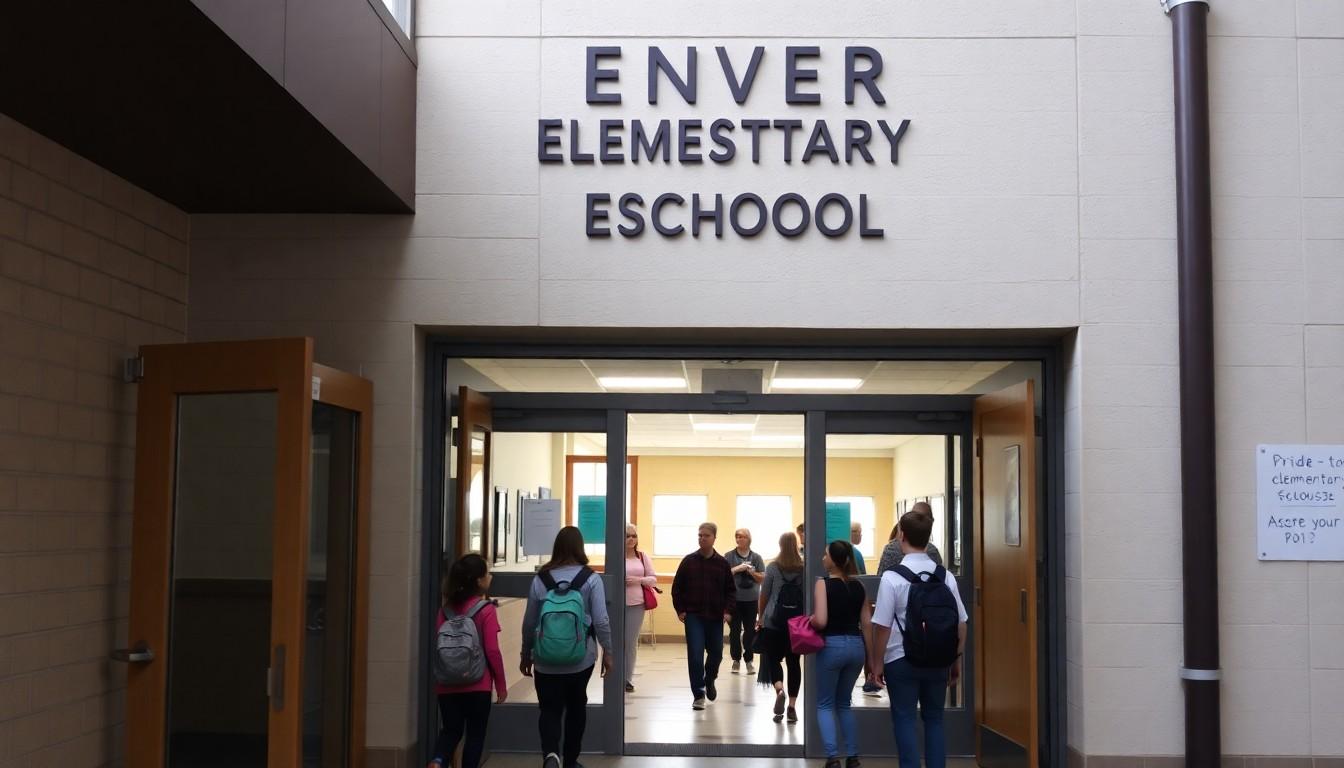
Shoppers are turning to sensible boundaries as parents and districts clash over Pride events in schools; recent incidents from Colorado to New York show why clear policies on age‑appropriate programming, parental notification, and safeguarding matter , and how schools can act without stigmatizing pupils.
Essential Takeaways
- Clear consent rules: Schools should ban classroom activities that pressure students into sexualised behaviour, and require opt‑in parental permission for sensitive content.
- Age‑appropriate standards: Events and lessons should match the developmental stage of pupils; drag or explicit material belongs at adult venues, not primary schools.
- Transparent communication: Parental notification policies reduce secrecy and help build trust; districts win when they set and explain boundaries.
- Robust safeguarding: Reports of misconduct must trigger prompt investigations and, when necessary, criminal referrals; staff accused of coercion should be removed from the classroom during inquiries.
- Respectful inclusion: Protecting children’s wellbeing doesn’t mean excluding LGBT students , it means separating advocacy and sexual content from everyday school life.
Why recent cases have inflamed parents and school boards
A string of high‑profile complaints , from a Colorado teacher accused of staging same‑sex kissing skits to a charged school‑board member in New York , has pushed this issue into the spotlight and left many parents uneasy. The stories have a sharp emotional tinge: parents report feeling blindsided when events or classroom exercises veer into sexualised territory. According to local reporting, some districts faced intense social media storms after photos and videos circulated, which amplified public anger and made quick policy responses unavoidable.
What sensible age‑appropriate policy looks like
Age appropriateness is the practical fulcrum here. Schools routinely set boundaries for films, sex education and outings; the same logic applies to Pride‑themed content. For instance, materials discussing identity and safety can be suitable for older pupils, while primary classrooms should stick to themes of respect and diversity without sexualised elements. Districts that draft clear guidance , defining what is permitted at each key stage , reduce ambiguity and protect teachers and pupils alike.
Parental notification and consent: why secrecy breeds distrust
One recurring complaint is secrecy: parents say they were not told when sensitive material was presented. Transparent notification rules , and opt‑in consent for activities touching on sexuality , address that head on. Courts have already been drawn into disputes over parental‑notification rules, signalling that this is both a legal and political flashpoint. Schools that proactively explain curriculum aims and give parents a chance to review materials tend to face fewer disputes and maintain better relationships with families.
Safeguarding and swift investigation , the non‑negotiable
Allegations of coercion or inappropriate contact require immediate, formal action. Best practice is to suspend the accused from classroom duties during an inquiry, provide support to affected pupils, and refer potential criminal matters to law enforcement without delay. Independent investigations, clear timelines and public summaries of findings where possible help communities see that concerns were taken seriously and resolved fairly.
How to balance inclusion and protection without stigmas
It’s important to stress that setting boundaries around sexual content isn’t the same as excluding LGBT children. Inclusive policies can protect vulnerable pupils while keeping advocacy out of instructional time. Practical steps include teaching respect, offering confidential pastoral support for pupils exploring identity, and ensuring that external groups seeking to run workshops meet strict vetting, age‑appropriate standards and parental consent requirements.
It's a small change that can make every classroom safer and more respectful.
Source Reference Map
Story idea inspired by: [1]
Sources by paragraph: