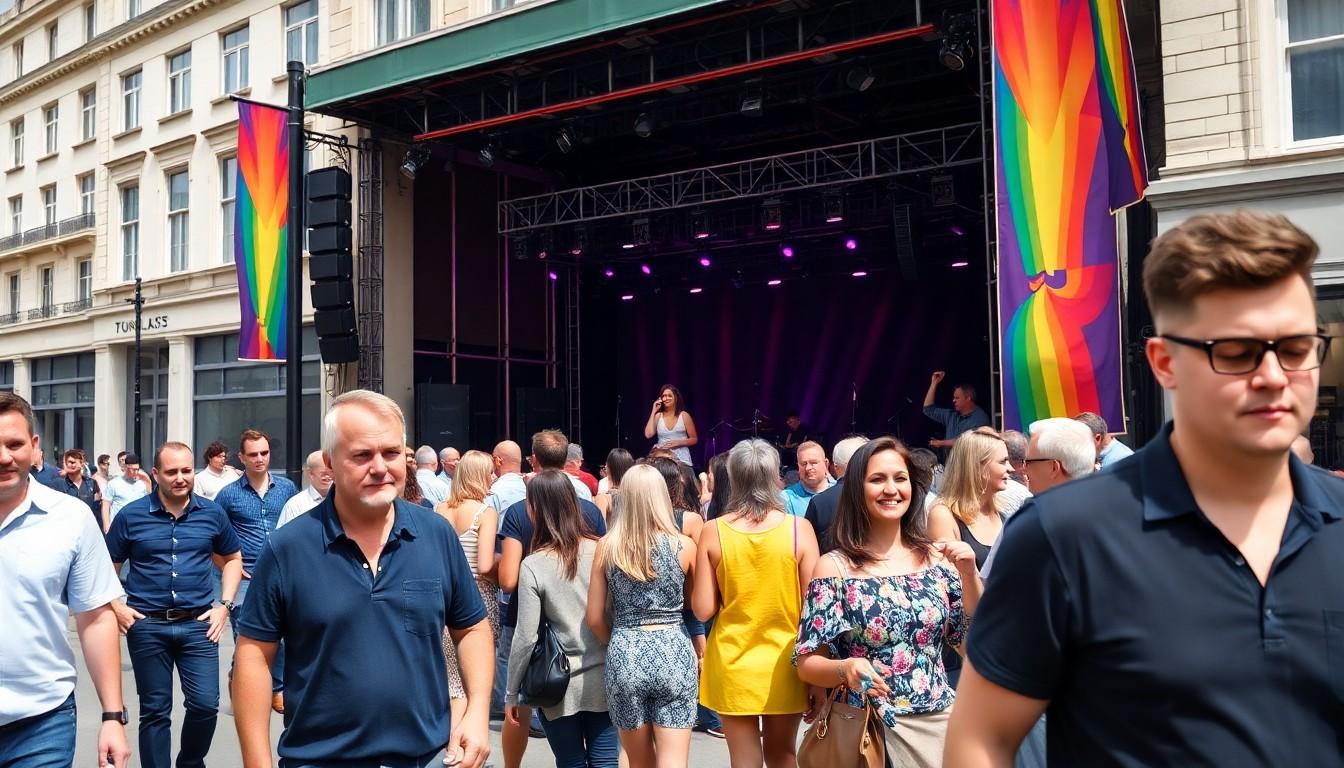
Bursting into colour and choreography, London’s Pride is back as the city’s most unmissable June moment , a lively, defiant celebration of queer joy that outshines online rage and dreary counter-protests, and reminds everyone why live community matters.
Essential Takeaways
- Vibrant atmosphere: Pride combines music, performance and vivid visuals that feel celebratory and communal.
- Diverse line-up: Stages showcase a range of acts, from fierce drag to up-and-coming DJs, reflecting broad community talent.
- Cultural pushback: The parade and festival act as a joyful rebuttal to online anti-LGBTQ+ campaigns and hostile demonstrations.
- Visible storytelling: Public displays across the city , wraps, posters and transport campaigns , amplify personal LGBTQ+ stories.
- Accessible fun: Events and guides make finding venues, stages and family-friendly areas straightforward for attendees.
Pride’s opening beat: why the party still matters
London Pride lands in June with a visceral sense of relief and optimism, a day when rainbows and choreography chase away the weekend humdrum. The procession is sensory , colour, music and costume , and it’s designed to be seen, felt and shared. According to coverage of this year’s celebrations, crowds respond to that energy the way punters respond to a favourite song: with smiling faces and the kind of communal buzz you can’t manufacture online. For many, Pride is more than spectacle; it’s a public claim to space.
From drag stages to new DJ duos: talent on full display
The festival’s stages have become a proving ground for emerging queer talent as much as a platform for established performers. Reviewers singled out dynamic acts from the black stage and fresh transgender-led DJs as highlights, demonstrating that diversity is front and centre. If you’re deciding where to spend your day, aim for the stages programming niche sounds and local performers , you’ll often find the acts that later pop up on playlists and TV slots. It’s also a reminder that grassroots creativity keeps Pride feeling fresh.
A festive rebuttal to online hostility
There’s been a noisy spike in anti-LGBTQ+ chatter online, and high-profile provocateurs have tried to capitalise on it. But London’s parade serves as a loud, visible counterweight: instead of amplifying rage, Pride amplifies people , dancing, marching and making space for joy. The contrast is striking; where internet trolls aim for division, the parade invites connection. Attending Pride in person is a practical way to push back , your presence is both support and a simple refusal to let negativity dominate the narrative.
The city as canvas: posters, wraps and storytelling
Pride isn’t limited to a one-day march; the city itself gets involved with colourful wraps, creative posters and storytelling campaigns that put queer lives in the public eye. Transport networks and public spaces carrying LGBTQ+ imagery help normalise visibility beyond the festival route, and they invite passers-by to pause and consider the personal stories behind the slogans. If you want to engage more quietly, follow the visual trail: the station wraps and creative adverts are easy, low-key ways to feel part of the moment.
How to get the most from Pride weekend
Plan where you want to be and when , stages and neighbourhood events can be small and packed, or broad and relaxed. Check local guides for accessibility info, family-friendly pockets and quieter zones if you prefer to enjoy the spectacle without the crush. Bring a reusable water bottle, wear comfortable shoes and let curiosity lead: some of the best discoveries are the pop-up performances and vendor stalls you stumble across. And remember, showing up is both fun and political , your attendance supports artists, charities and community groups.
It’s a small change that can make every June feel brighter: go see the colour in person.
Source Reference Map
Story idea inspired by: [1]
Sources by paragraph: