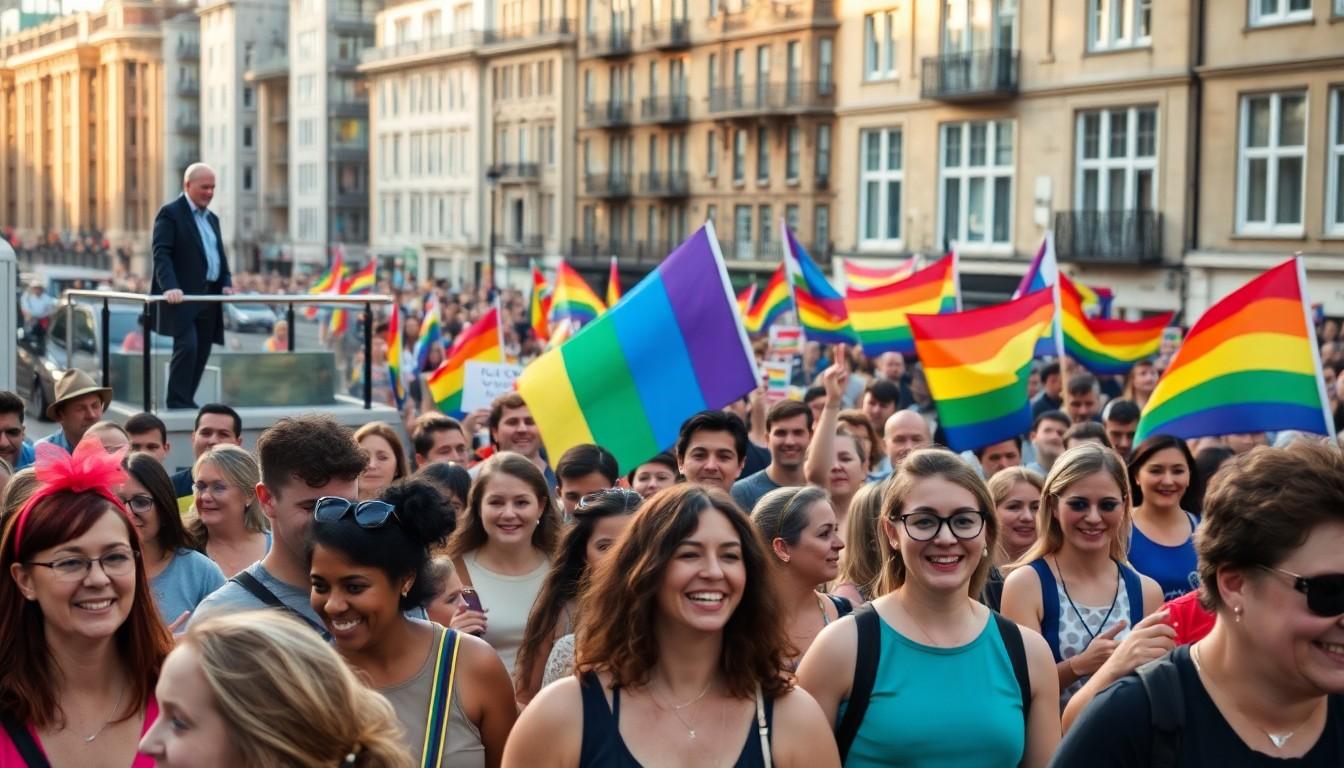
Thousands turned out as Pride in London blended celebration with protest, drawing marchers, performers and political figures to highlight trans healthcare, hate crime and the city’s shrinking queer spaces. Here’s what happened, why it mattered and how to join in safely next time.
Essential Takeaways
- Mass turnout: More than 35,000 marchers from over 600 groups paraded through central London, with crowds lining the route and an audience of around a million expected.
- Political presence: Mayor Sadiq Khan marched at the front, helping set a tone of civic solidarity and visibility.
- Core issues: The event foregrounded trans healthcare waiting times, anti-LGBTQ+ hate crime and the loss of queer venues.
- Safety and sun-ready tips: Organisers warned attendees to bring suncream and water; about 650 police officers were deployed to deter hate crime.
- Culture and commerce: Major brands and football clubs sponsored floats, while headline acts were confirmed at Trafalgar Square after Madonna was ruled out.
A march that mixed music with a sharper message
The first sight along Piccadilly was colourful and loud, but the mood felt urgent as well as celebratory. Organisers and activists deliberately framed Pride as both party and protest, with chants and speeches threaded between floats and DJs. According to reports, leaders used the platform to underline growing concerns over trans rights and NHS waiting lists, giving the day a rallying, almost campaign-like energy. If you were there, you’d have noticed the contrast , glitter and seriousness stacked side by side.
Why trans healthcare became the day’s rallying cry
Speakers highlighted painfully long waits for gender-affirming care and the absence of a comprehensive legal ban on conversion therapy, positioning these as immediate, solvable injustices. Campaigners pointed to four-year plus waiting times in parts of the NHS and urged faster reform and legal protections. This focus isn’t accidental; it reflects broader activism across the capital and the UK, where community groups have been pushing for clarity and care alongside celebration.
Pride’s evolution: from protest to mainstream , and what’s at stake
Pride in London still remembers its roots: older activists who marched when police outnumbered protesters were visible and vocal about rights under threat. But the event now also attracts corporate sponsorship and famous faces, which brings resources and reach. That mix is useful, though it raises familiar tensions about commercialisation versus grassroots politics. The takeaway is practical: mainstream attention helps amplify urgent demands, but keeping protest at the heart of Pride matters to maintain pressure for change.
Practical notes for attendees and allies
Organisers urged people to prepare for heat , water and suncream were a must , and the Met deployed specialist policing to ensure safety and zero tolerance for hate crime. If you take part next year, plan meeting points, carry essentials, and consider joining a group or float aligned with causes you care about, from trans rights to venues preservation. Volunteering or donating to community infrastructure also helps: with many queer spaces closed over the years, keeping safe hubs open is part of sustaining the movement.
What the future might look like after 2026’s march
Pride in London used the day to signal intent beyond a single parade: it marks the beginning of the bid to host WorldPride 2032 and a renewed push for inclusion. Activists say sustained collective action will be needed to protect gains and push for legal change. There’s optimism, too , visible solidarity from civic figures and large turnouts show the movement’s muscle, but organisers and campaigners warn that vigilance is essential if rights are to be defended and expanded.
It's a small change that can make every march count.
Source Reference Map
Story idea inspired by: [1]
Sources by paragraph: