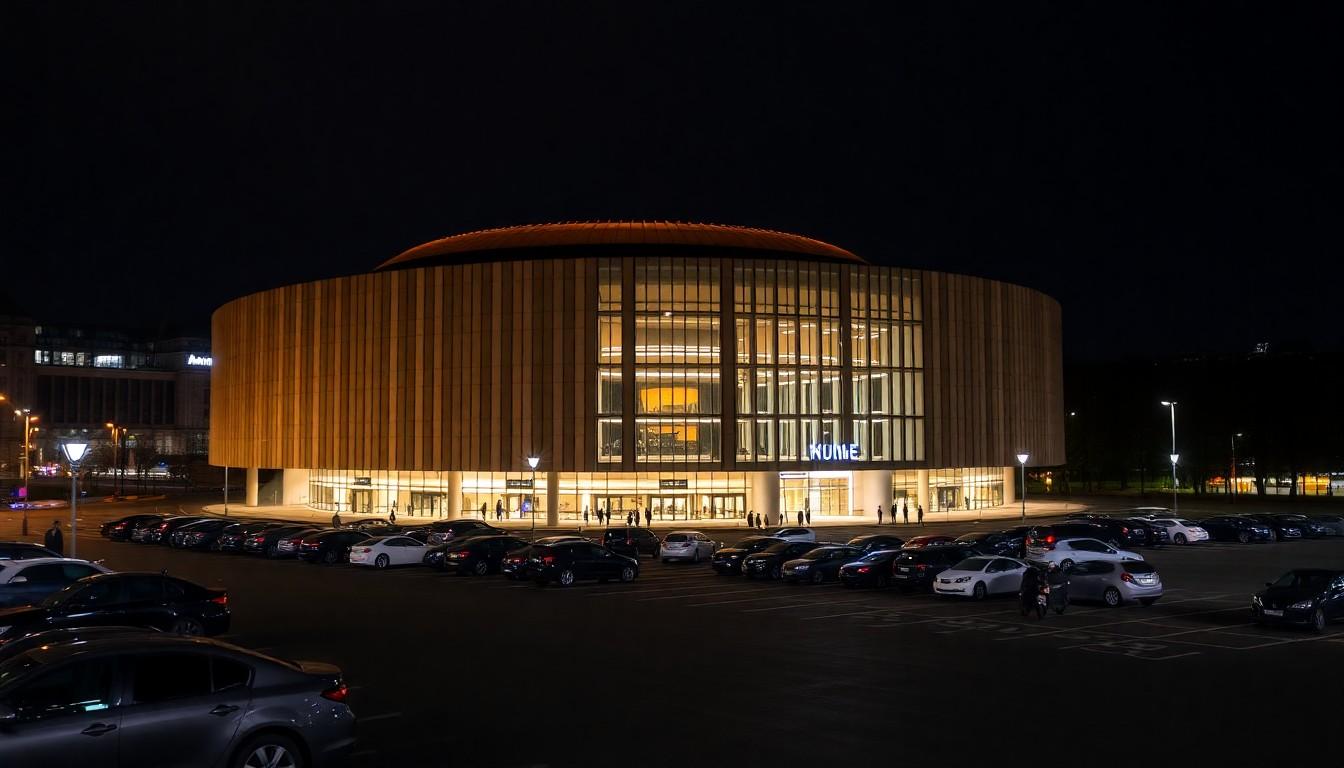
Shoppers and concertgoers alike are flocking to colourful, inclusive performances, The Sound of Pride in Cologne showed why a live orchestra, pop anthems and a vividly queer presentation matter, bringing community, catharsis and celebration together on a packed Philharmonie stage.
Essential Takeaways
- Lively opener: The concert launched with high energy as the WDR Funkhausorchester met whistles and cheers, setting a joyful tone.
- Familiar songs, new colour: Pop favourites from ABBA to Lady Gaga were reimagined with brass and strings, producing a bright, trumpet-forward sound.
- Stagecraft and costume: Hosts and singers used bold outfits, glitter, boas and heels, to underline visibility and storytelling.
- Emotional throughline: Moments like "I Will Survive" and "Secret Love Song" turned audience clapping into standing dancing and phone-light vigils.
- Clear message: The evening threaded music with calls for equality, remembrance and pride, including a nod to HIV history.
A euphoric welcome, how opening moments set the mood
The concert starts like a party already in full swing: coloured lights and neon tubes paint the hall in rainbow hues, and the audience responds with whistles and whoops. According to the WDR Funkhausorchester programming, the band met that energy head-on, opening with an arrangement of ABBA’s "Dancing Queen" that swaps piano flourishes for shimmering trumpets. That bright, orchestral makeover doesn’t just sound fresh; it makes familiar pop songs feel heroic, and the crowd’s early standing ovations prove it.
Why pop anthems work so well with an orchestra
There’s something oddly comforting about hearing an icon’s melody re-scored for brass, strings and saxophone. Songs that weren’t written as queer anthems, Taylor Swift’s playful defiance or Marianne Rosenberg’s schlager, are claimed by the audience and gain new emotional weight. The Philharmonie’s acoustics give solos space to breathe, so a saxophone or trombone line can sound both intimate and epic. If you’re choosing a concert like this, go for arrangements that let vocals and instrumental colours alternate; it keeps the night dynamic and surprising.
Performance and presentation: costume as message
Hosts and performers lean into theatricality, think high-heeled metallic boots, epauletted trousers, long pink gloves and feather boas, and that visual play is part of the point. The 1LIVE presenter’s wardrobe changes felt less like fashion than confession; he spoke candidly about coming out, and the audience’s reaction made the narrative communal. In short, the clothing, the light and the moments between songs turn a music night into a shared act of visibility.
Audience flow: from clapping to dancing to quiet remembrance
Early on the crowd is almost unified in rhythm, "We Are Family" pulls people to their feet and into clapping in time. By the time "I Will Survive" arrives, applause moves into full-on dancing, and during more fragile numbers like "Secret Love Song" the hall softens into a sea of phone lights. The programme balances joy with reflection: the host references the colour of AIDS awareness and remembers lives lost in the crisis since the 1980s, which gives the evening a deeper, sobering edge amid the celebration.
What it means for Pride programming and concertgoers
Events like this show a shift in how orchestras program popular music: they’re not just playing hits for fun, they’re creating spaces where identity and music intersect. For anyone picking a Pride concert, look for variety in tempo, clear vocal solos, and a conductor or orchestra with experience in crossover repertoire. That mix keeps older hits from sounding tokenistic and lets the audience legitimately make the songs their own.
It's a small change that can make every performance feel like a celebration and a statement.
Source Reference Map
Story idea inspired by: [1]
Sources by paragraph: