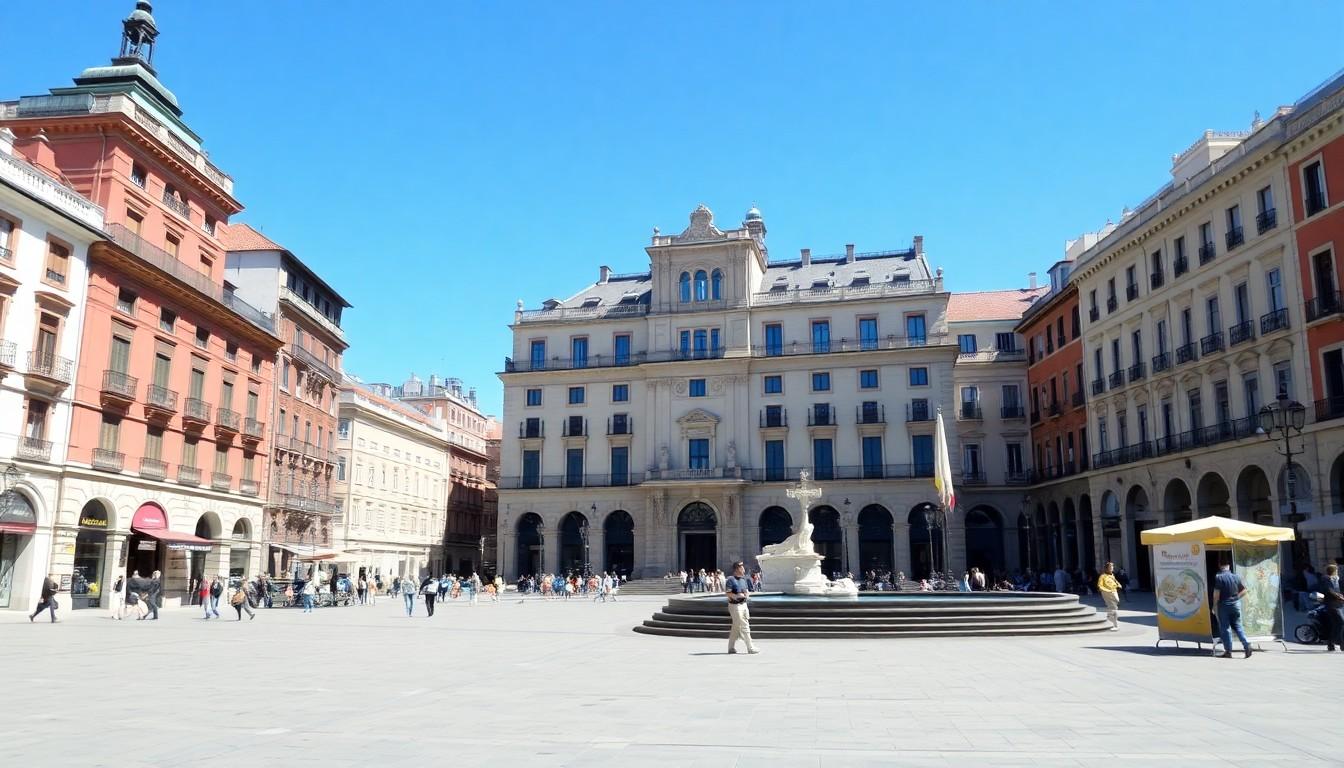
Shoppers, travellers and festival-goers are flocking to Spain and selected European partners as the hottest inclusive travel hotspot of 2026; governments, tourism boards and event organisers have teamed up to turn Pride seasons into year-round tourism engines that matter for culture, economy and safety.
- Market leader: Spain ranks top in Europe for LGBTI rights and inclusive tourism, boosting visitor confidence and demand.
- Event power: Major festivals and sport events are drawing millions; flagship gatherings spread visitor spend across cities and seasons.
- Outward push: Germany and the UK supply high-spending travellers, with strong community networks and hospitality training supporting outbound flows.
- Niche pivot: Malta targets luxury, wellness and weddings to lift yield per visitor while retaining Pride as a key anchor.
- Coordination pays: EU-level strategies and cross-border transport tie festivals, marketing and policy into a cohesive tourism ecosystem.
Spain’s new crown for LGBTQ+ travel , what changed and why it feels different
Spain has seized the top spot in Europe for LGBTI rights and tourism, and you can feel it when you arrive , louder events, friendlier signage and an easygoing, confident welcome. According to rights organisations and national promotions, legal reforms and coordinated campaigns have pushed Spain into a clear leadership role this year. Event-led visitors now keep the tills ringing beyond peak weeks: Madrid Pride, the Gay Games in València and Barcelona’s summer festivals are deliberately staggered to stretch demand into shoulder months. For travellers that means more choice, smaller crowds and better-value stays if you time your trip outside the obvious weekend peaks.
Festivals as economic engines , big parties, bigger returns
Large-scale events have become tourism anchors rather than ephemeral parties, pulling international attendees and local spend. Spain’s festival calendar and the Gay Games have been designed to distribute visitors across venues and regions, increasing local benefits and reducing overcrowding. That event-driven model matters if you run a small business or plan a long weekend: organisers are increasingly packaging cultural talks, sporting fixtures and off-season tours so you get more variety for the same trip. Industry figures and press coverage suggest this approach is helping to stabilise employment and lift revenues beyond summer.
Germany and the UK , the high-spend feeders shaping routes
Germany remains a major source market, with a socially active community and improved equality laws that make travel planning simpler. Digital promotion , from AI-driven campaigns to virtual influencers , is helping German travellers pick multi-city itineraries that often finish in Spain or the Netherlands. The UK contributes sizable spend per traveller, particularly into city breaks and cultural tourism, while hospitality training programmes are raising accessibility standards. If you’re booking from these markets, expect tailored options and better-informed hosts who understand inclusive needs.
Malta and the niche luxury pivot , smaller scale, higher returns
Malta is moving away from mass summer holidays and steering visitors towards premium experiences: boutique wellness, heritage stays and destination weddings are front and centre. Pride remains an important brand moment, but the agency is clear , lift the average spend and the island’s tourism becomes less vulnerable to seasonality. As a traveller, that means quieter beaches and curated stays in exchange for a higher nightly rate. For couples and groups seeking a compact, stylish Mediterranean option, Malta offers easy flights and a safe, welcoming atmosphere.
Netherlands and cross-border coordination , a festival logistics masterclass
Amsterdam’s role as a coordination hub has been amplified by hosting combined WorldPride and EuroPride events, with hundreds of official activities over extended festival periods. Transport planning has been equally ambitious: cross-border rail initiatives and integrated timetabling make it simpler to combine city hops into one trip. This connectivity is a practical win , you can arrive in Amsterdam, take regional trains to neighbouring cities and avoid the stress of multiple flights. It’s a model other destinations are studying as they try to spread benefits and reduce carbon footprints.
Why policy and partnerships matter , the Europe-wide picture
What ties these developments together is policy: a Europe-wide commitment to equality and tourism strategy is giving destinations predictable frameworks to invest in inclusive products. Collaboration between regional tourism bodies, international agencies and rights groups has meant festivals, marketing and legal safety nets align more than ever. That alignment reassures travellers and businesses alike: destinations with clear equality protections are seeing stronger brand value and higher visitor satisfaction. For anyone choosing where to go, legal safeguards now sit alongside beaches and museums when you weigh destinations.
It's a small change that can make every trip feel safer and more joyful.
Source Reference Map
Story idea inspired by: [1]
Sources by paragraph: