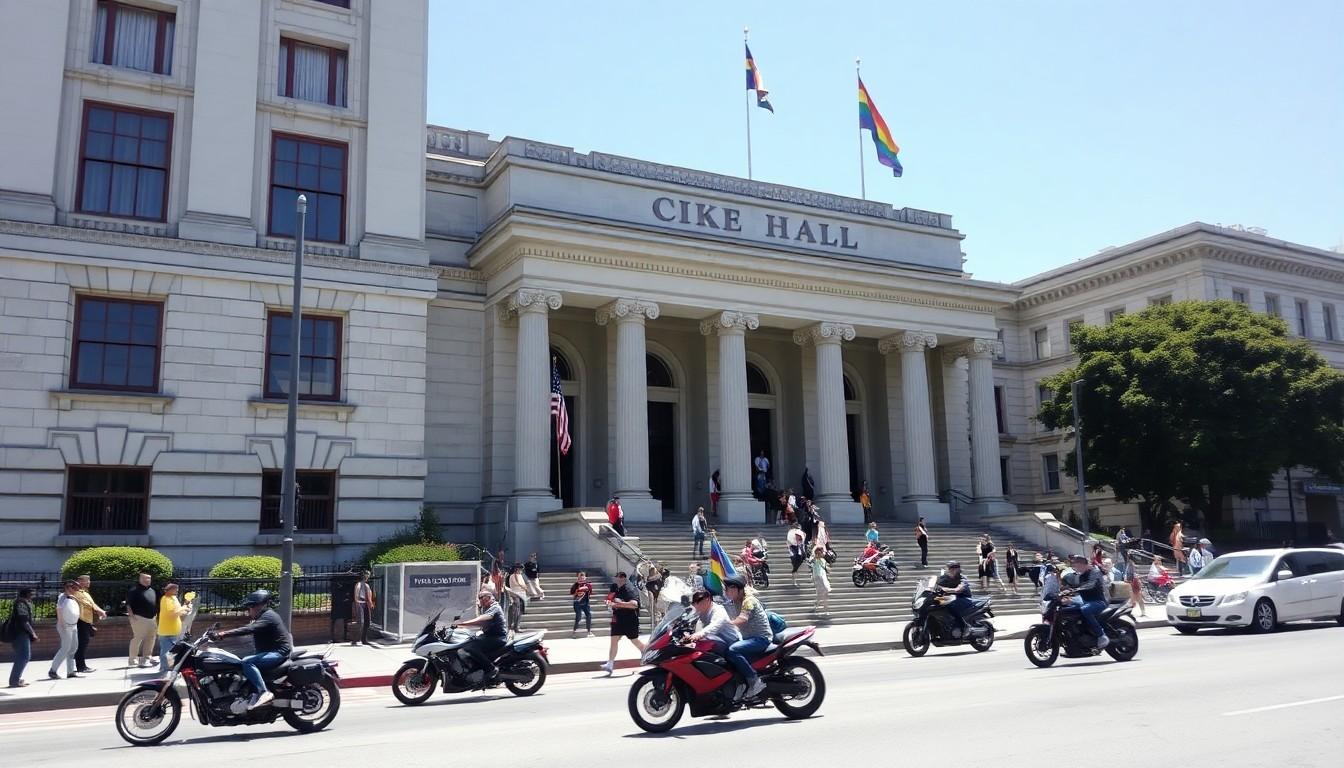
Shoppers aren’t the only ones turning heads, Pride crowds have been hearing Dykes on Bikes for 50 years. From a bold 1976 decision to lead San Francisco’s march to a hard-fought trademark win, the group blends leather, thunderous engines and a clear message: we will take up space.
Essential Takeaways
- Origins: A small group of lesbian riders moved to the front of San Francisco’s 1976 Gay Freedom Day March and sparked a tradition.
- Senses: The entrance is sonic and visceral, hundreds of engines, wind on your face, and a clean, powerful chrome-and-leather look.
- Community: Riders describe motorcycles as “freedom” or “wind therapy,” and the group doubles as social support and a riding culture.
- Legal win: Dykes on Bikes fought the U.S. government to trademark the name and logo, a victory for expression and reclaiming an epithet.
- Legacy: The San Francisco chapter holds the trademark, licenses international chapters, and still opens many Pride parades worldwide.
How a few riders rewrote Pride choreography
The most striking image is simple: engines revving ahead of a crowd, everyone turning. That sensory entrance is exactly what kick-started Dykes on Bikes’ place in Pride. According to long-time members, seeing those motorcycles roll up felt like a call to action, some women learned to ride because they wanted to belong in that front line. The move from the back of the 1976 march to the front wasn’t polite; it was deliberate, and it set a tone that many Pride events still mirror today. If you’re thinking about joining a ride, pick a bike that balances power and control, comfort matters when you want to be present for the whole route.
Why motorcycles are more than an accessory
Ride with the group and you hear the language change: it’s about wind, scent, and presence. Members call the feeling “wind therapy” or simply “freedom,” describing a sensory openness you don’t get in a car. Beyond the thrill, riding together creates a culture where shared interests and shared support meet, monthly runs of 150 miles and longer trips build friendships as much as they build riding skill. For new riders, that communal aspect makes lessons and first long rides less intimidating; experienced road captains mentor novices, so don’t underestimate the value of a patient lead rider.
The trademark fight that mattered beyond IP law
The group’s visibility led to another, quieter battle: the right to own a name. Government officials initially refused to register the word and logo as trademarks, calling the term disparaging. Dykes on Bikes pushed back through the courts and ultimately secured the right to the trademark, a legal moment that civil-rights advocates flagged as significant for freedom of expression. That ruling wasn’t just about branding; it was about reclaiming language and protecting the group’s identity as it licensed chapters worldwide. For activists and organisations, this case shows how IP law can intersect with cultural reclamation in powerful ways.
The San Francisco chapter as a global anchor
San Francisco still functions as the mother chapter: it holds the trademark and oversees licensing for other chapters. That central role helps maintain standards and continuity, so when a Dykes on Bikes entry opens a Pride march in, say, Sydney or Toronto, there’s a through-line back to the original riders. The chapter also uses its platform to honour the people who shaped its history, lawyers who defended the trademark and pioneers who moved to the front decades ago have been celebrated in recent parades. For anyone studying how grassroots groups scale, this blend of local identity and structured licensing is worth noting.
What Dykes on Bikes means for Pride today
The thunder of motorcycles still serves a simple civic purpose: it signals arrival, gathers attention and gives lesbian riders an unignorable spotlight. That soundscape is as much part of modern Pride as rainbow banners or speeches, and many events now expect, or even programme, them as openers. The ritual has practical effects too: it models taking space confidently and shows how a small tactical decision can grow into cultural tradition. If you go to a Pride this year, position yourself near the front when you hear the engines; you’ll witness a piece of living history.
It's a small change that can make every parade start with a roar, and a reminder that visibility is built, loud and proud, one ride at a time.
Source Reference Map
Story idea inspired by: [1]
Sources by paragraph: