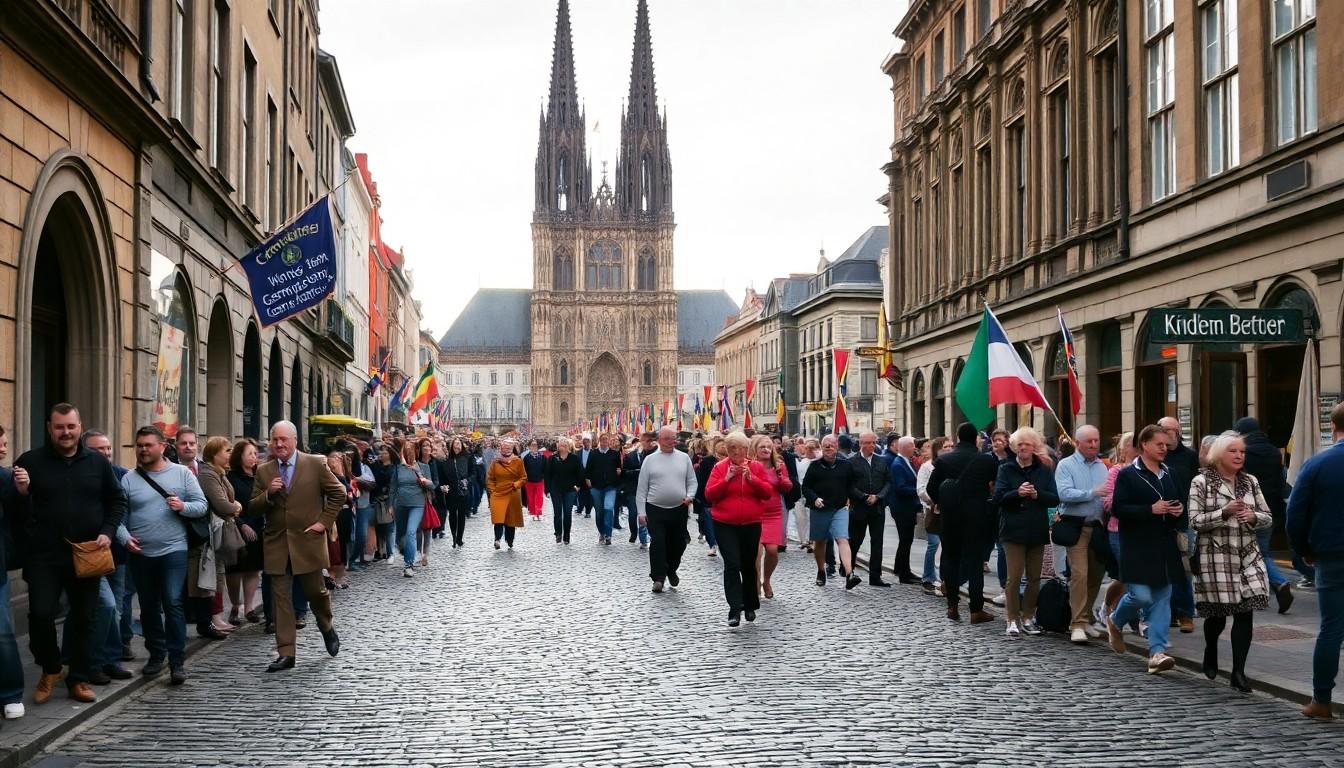
Shoppers, tourists and locals flocked to Cologne this weekend as Cologne Pride - Christopher Street Day - drew an estimated one million spectators and some 60,000 marchers across 250 groups, turning the city centre into one of Europe’s biggest, most colourful demonstrations for democracy and LGBTQ+ rights.
Essential Takeaways
- Huge turnout: Organisers estimated about 60,000 participants and up to one million spectators lining the route, creating a lively, densely packed atmosphere.
- Visible political support: Senior politicians attended and spoke, highlighting concerns about rising anti-LGBTQ+ sentiment and the parade’s democratic message.
- Creative, joyful vibe: Floats, banners and costumes offered a strong visual and emotional statement , loud, rainbow-bright and unforgettable.
- Historic purpose: The event commemorates the 1969 Stonewall riots and continues to be a focal point for rights and visibility.
- City-wide festival: Cologne Pride is not just a parade but a week of events, street festivals and cultural programming across the city.
A million people on the pavement , what that felt like
The sheer scale was the story: crowds shoulder-to-shoulder, music pulsing and scents of street food in the air, a city that felt celebratory and defiant at once. According to organisers and local coverage, the route attracted up to a million spectators, with 60,000 people formally taking part across some 250 groups. That stamp of numbers makes this not only one of Germany’s largest Pride events, it underlined how visible support can look and feel on the ground.
Politicians on the route , why their presence mattered
Senior officials walked and spoke, and that mattered. The interior minister of North Rhine-Westphalia said he came because he is increasingly worried about anti-LGBTQ+ attitudes, while other figures described the parade as a major demonstration for democracy. Their presence sent a clear signal: Pride in Cologne is as much a political statement as a party. Local reporting emphasised that visible support from public figures can reassure vulnerable communities and keeps the conversation about rights active.
Creativity, costumes and the festival spillover
Cologne Pride isn’t just a procession, it’s a city-wide festival. Floats, bands and theatrical groups brought a playful, creative energy, while side events turned bars, squares and parks into pop-up stages and information hubs. For visitors, that means planning beyond the parade: allow time for street fairs, exhibitions and smaller neighbourhood gatherings that capture the quieter, community-focused side of the event.
Safety, policing and the democratic message
Organisers and officials underlined security and protection. Police presence was prominent and framed as protection for everyone irrespective of lifestyle, reflecting worries about rising hostility in some quarters. That mix of celebration and vigilance is part of modern Pride culture , loud and joyful, yes, but also conscious of the risks communities still face. If you plan to go next time, stick to official routes, follow local guidance and look out for staffed help points.
How to experience Cologne Pride if you’re planning a visit
If you want the party and the politics: arrive early for a good viewing spot, wear weather-ready layers and book accommodation well in advance. The city’s official Pride programme and local listings publish event maps and schedules , useful for catching specific groups or performers. For quieter observation, explore satellite events in smaller quarters where you’ll find informative panels and community stalls.
It's a small change to your travel plans that can make every parade moment safer, richer and more memorable.
Source Reference Map
Story idea inspired by: [1]
Sources by paragraph: