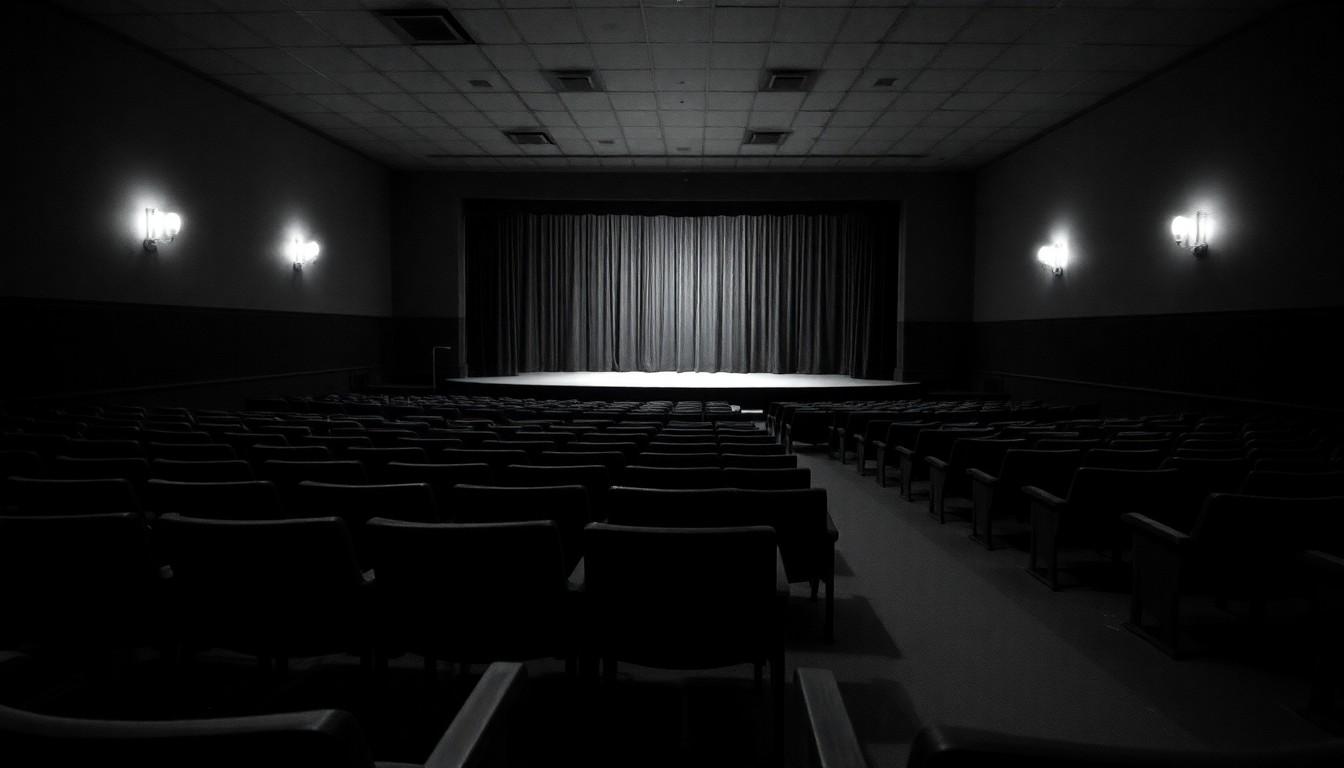
Shoppers of culture and queer cinema fans are flocking to the Barbican this Pride season, where the cinema’s Queer 60s series revisits a dangerous, daring decade; finishing on July 7 with Winter Kept Us Warm, a quiet, intimate Canadian drama that shows how early queer storytelling still speaks to today.
Essential Takeaways
- Historic focus: The Barbican’s Queer 60s season explores LGBTQ cinema from the decade before Stonewall, highlighting films made when homosexuality was often illegal.
- Final screening: Winter Kept Us Warm (1965) closes the series on July 7, offering a gently poised portrayal of two university students.
- Small, intimate cinema: Expect a thoughtful, low-key drama with a tender mood, not flashy spectacle , it rewards quiet attention.
- Context matters: The season is part of a three-year Barbican strand tracing queer film history, so this showing sits inside a broader programme of reclamation.
- Practical tip: Arrive early for a short introduction and to soak up the Barbican’s atmospheric, archival framing.
Why the Barbican’s Queer 60s season feels essential
The opening hook is simple: film didn’t just entertain queer audiences in the 1960s, it kept stories alive in a hostile world, and you can almost feel that hush when you sit down at the Barbican. The venue has curated the decade deliberately, aiming to show how filmmakers worked within and around censorship to tell honest stories. According to the Barbican’s programme notes, the series is the final chapter in three years of looking back at queer cinema’s roots, so this is as much about preservation as it is about pleasure. If you love film-history rabbit holes, this is the sort of season that rewards repeat visits.
What makes Winter Kept Us Warm stand out
Winter Kept Us Warm is a small, intimate piece that trades melodrama for close observation. Shot in 1965 in Toronto, it follows the unspooling relationship between two students with a quiet, thoughtful camera and an emphasis on atmosphere rather than plot twists. The film is gentle in tone but radical historically , it showed a male same-sex relationship with tenderness at a time when many countries still criminalised homosexuality. For modern viewers, the payoff is emotional rather than sensational; you leave with a sense of how ordinary and human these lives were.
How the screening is framed at the Barbican
Expect more than a simple film showing. The Barbican often adds introductions or contextual talks to these screenings, giving audiences historical background and contemporary readings of the work. That framing helps if you’re not a film scholar , it pinpoints what to watch for, whether that’s mise-en-scène, coded dialogue, or the film’s social risk. For Pride-goers, the event doubles as a small communal ritual: watching history projected in a public, safe space feels quietly celebratory.
Choosing what to watch in a queer-history season
If you’re planning a visit, think about what you want: study or atmosphere. Winter Kept Us Warm is ideal if you prefer mood-driven, character-led cinema and appreciate subtle performances. If you’re after documentary-style context or landmark activism films, check the rest of the Queer 60s line-up , the Barbican’s series is curated to show variety across form and region. Practical tip: read the short programme notes on the Barbican site before you go; they set up tiny details that make the screenings richer.
Why screenings like this still matter today
There’s a human logic to revisiting these films: they remind us that queer lives existed with texture long before mainstream recognition. The 1960s were pivotal , laws and attitudes were changing slowly, and by clustering films from that decade the Barbican highlights both danger and defiance. Watching Winter Kept Us Warm in 2026, during Pride, feels like a deliberate act of memory and celebration. It’s modest, moving and oddly contemporary in its interest in emotional honesty.
It's a small change that can make every screening feel like a shared piece of history.
Source Reference Map
Story idea inspired by: [1]
Sources by paragraph: