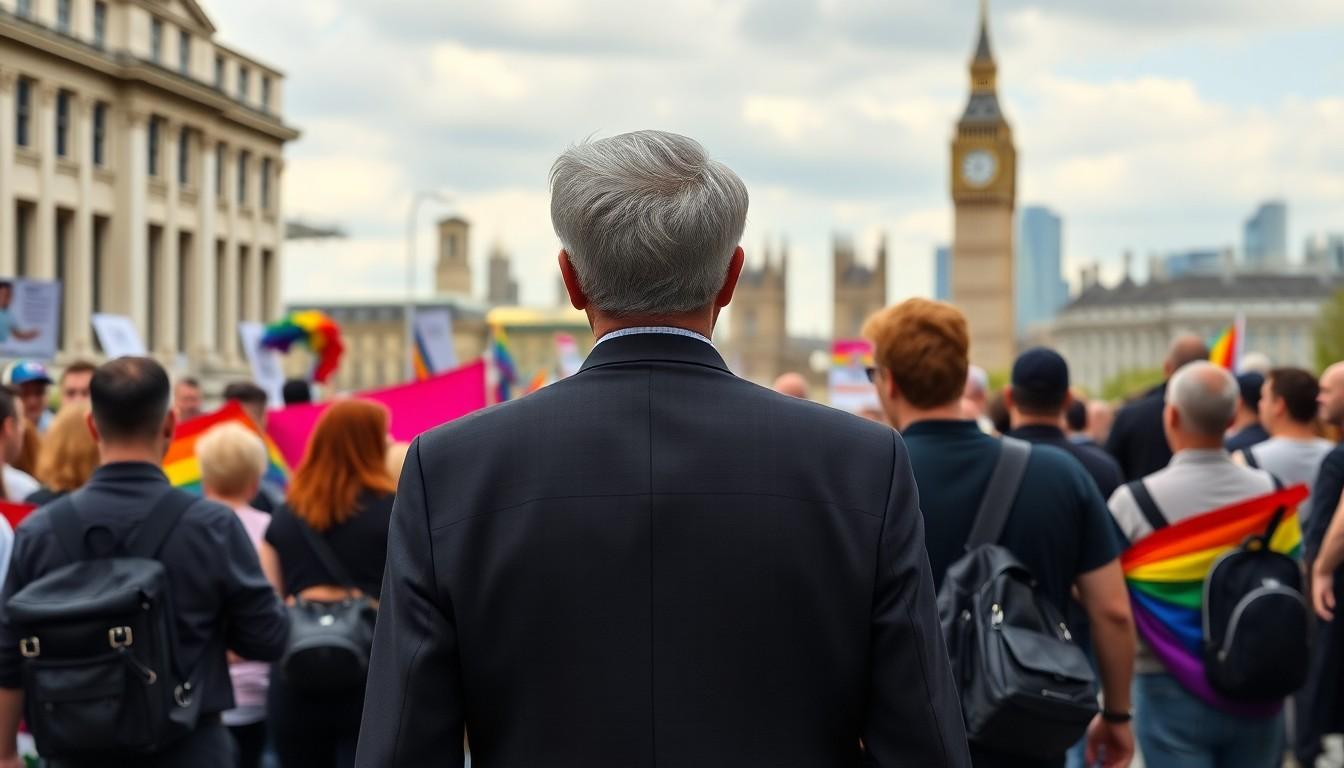
Bask in the colour , Pride in London drew more than 35,000 marchers and a million visitors as floats, performers and campaigning voices turned central London into a festival of protest and celebration. Here’s what stood out, where to find the stages and why this year felt especially urgent.
- Big turnout: Over 35,000 people marched representing more than 600 groups, with organisers expecting around a million attendees across the day.
- High-profile support: Mayor Sadiq Khan marched near the front and major sponsors , Ikea, Tesco and Lidl among them , backed floats with bold, visible messages.
- Four focus issues: This year’s theme, Many Voices. One Front, prioritised trans healthcare, Black and Brown queer visibility, chosen family rights and ending hate crime.
- Festival vibe: Six stages including Trafalgar Square hosted acts such as MNEK; other hubs in Leicester Square, Soho Square and Dean Street offered varied line-ups.
- Community pulse: Long-standing activists stressed Pride’s protest roots, noting current threats to trans rights and broader civil liberties.
A bright, noisy march that still felt like protest
The parade rolled from Hyde Park Corner to Whitehall Place under a summer sun, and the atmosphere was both celebratory and determined, bright banners snapping in the breeze. According to local reports, people lined the route to cheer on dancers, bands and the increasingly theatrical floats. The visual spectacle was unmistakable, but so was the message: this wasn’t just a party, it was a pushback.
Long-term attendees say Pride has always mixed celebration with protest. Organisers and campaigners used the platform to highlight that freedoms can be fragile , a sharp reminder given current debates over trans rights in the UK. If you’re going next year, bring water, a small flag and the readiness to listen as much as to dance.
Who marched and who sponsored the fun
London’s football clubs, including Arsenal, West Ham and Crystal Palace, had groups in the parade, and major retailers sponsored high-profile floats. The Ikea float, for instance, carried a playful line about love and approaching differences with patience, while supermarkets and local firms showed visible corporate support.
Sponsorship can be useful , it funds stages and safety , but it also invites questions about authenticity. Keep an eye on which sponsors back specific causes if you care about where your attention is being channelled.
Trans rights and the theme that cut through
The theme Many Voices. One Front homed in on four central issues: trans healthcare access, Black and Brown queer visibility, chosen family rights and ending hate crime. Activists like Julian Hows, who’s attended marches since the 1970s, framed Pride as a necessary act of protest as much as celebration, saying rights can be taken away if people don’t keep pushing.
This year felt sharper because those conversations were front and centre across banners, speeches and the programming on stage. If you want to support, look for groups offering concrete actions , petitions, local clinics’ support, or community funds , rather than only slogans.
Stages, performances and where to catch the best bits
Trafalgar Square was the headline stage, with MNEK among the main acts, and satellite stages in Leicester Square, Golden Square, Soho Square and Dean Street showcased other voices and local talent. The setup meant there was always something to see nearby, from big pop sets to spoken-word spots.
For visitors, planning pays. If you want a big headline act, get in early for Trafalgar Square; for intimate performances and community stalls, wander the Soho and Dean Street spots. Comfortable shoes and a portable charger make a big difference.
Practical tips for future Pride-goers
Arrive early if you want a good view, and pick a meeting point with clear landmarks in case your phone dies. Public transport is the easiest way to move around, though expect stations near the route to be busy or closed at peak times, so check TfL updates. If you’re attending as an ally, remember to listen and amplify rather than centre yourself.
For families, look out for quieter pockets away from the main stage, and if you’re there to support a specific campaign, bring donations or ask volunteers how to stay involved after the day.
It’s a small change that can make every march mean more.
Source Reference Map
Story idea inspired by: [1]
Sources by paragraph: