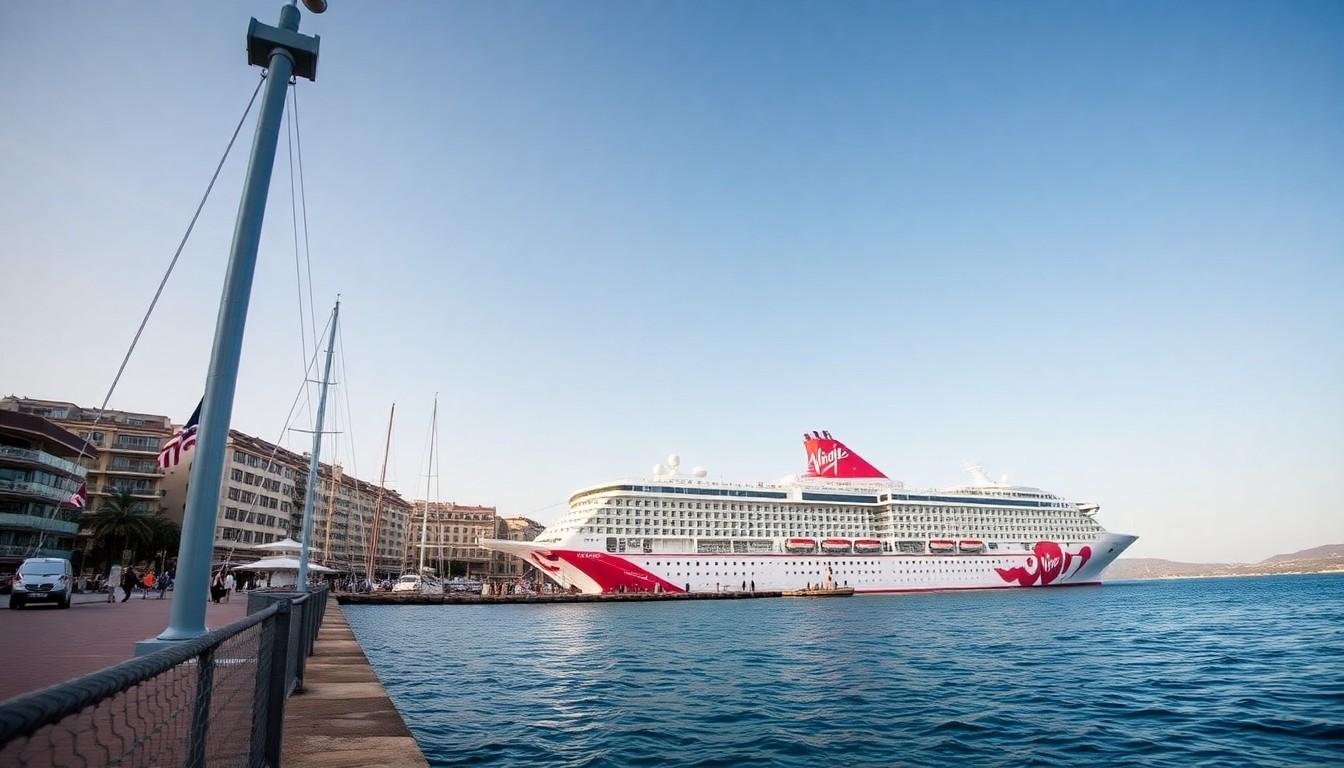
Note the shift: when a Turkish port refused an LGBTQ+ chartered cruise this July, it mattered not only to those on board but to anyone weighing safety, welcome and where to holiday or relocate in 2026. Here's what happened, why it matters, and how travellers can plan around similar disruptions.
Essential Takeaways
- What happened: Turkish officials blocked the Scarlet Lady, a Virgin Voyages ship chartered by Atlantis Events, from docking in Kuşadası and Istanbul, citing “moral standards” and “family values”; the itinerary was rerouted.
- Who was affected: More than 1,000 mainly American passengers bound for a Pride-style cruise had to change plans and ports.
- Context: The decision echoes past cruise refusals and reflects a broader global pattern of governments framing LGBTQ+ restrictions as moral or traditional defence.
- Practical tip: Check charter-provider contingency plans and travel insurance clauses for itinerary changes and local legal risk before booking themed group travel.
- Emotional cue: For many passengers the move was a logistical headache and a symbolic reminder that inclusion varies widely by place.
What actually happened , the immediate facts and passenger impact
Turkish provincial officials said the Kuşadası stop was cancelled because the chartered group was allegedly associated with behaviour “incompatible” with local social structure, forcing the Scarlet Lady to skip Turkish ports and add stops in Egypt and Crete instead. Travel organisers called the decision unprecedented for the company, and for passengers it meant sudden changes to plans, shore excursions and the feeling that their presence wasn’t welcome. According to reporting, the charter was organised by Atlantis Events and carried predominantly US travellers; Virgin Voyages confirmed itinerary adjustments.
Why Turkey’s move fits a wider pattern of “morality” decisions
This isn’t the first time an LGBTQ+ cruise has been refused berthing , industry memory goes back decades , and observers say Turkey’s framing in terms of family values follows a global playbook. Governments from different regions increasingly justify limits on LGBTQ+ visibility as defending tradition or moral order. That pattern can catch holidaymakers by surprise, especially when policies shift quickly or rhetoric hardens ahead of seasons or local elections.
How this relates to US travellers and the Europe fallback
Ironically, many LGBTQ+ Americans have been choosing Europe more often in recent years as a safer, more accepting option amid domestic legislative rollbacks in some US states. The Turkish incident underlines that not all destinations in or near Europe offer the same welcome, even if Western Europe remains widely ranked as safe for LGBTQ+ visitors. If you’re thinking of trading a stateside holiday for a European trip, match the country and city to the type of welcome you expect rather than assuming the whole continent is uniform.
Practical travel tips: booking, insurance and on-the-ground safety
Always check whether a cruise is a private charter or a regular public sailing; chartered group voyages are sometimes more visible and therefore more likely to trigger local objections. Read the operator’s contingency and refund policies before you hand over money, and look for travel insurance that covers itinerary changes. On arrival, avoid unnecessary provocation: local laws and enforcement attitudes vary, and what’s lawful at sea or in your home country may not be tolerated ashore.
What industry and human-rights observers are saying
Journalists and advocacy groups flagged the decision as part of a broader challenge: the security of LGBTQ+ travellers often depends on fluctuating political climates. Human-rights organisations point to extreme examples elsewhere to show how quickly legal risks can escalate; travel experts urge caution but also recommend destinations that actively promote inclusion. For many passengers on the Scarlet Lady, the reroute was more than an inconvenience , it was a reminder that visibility still carries cost in some places.
It's a small but telling example of how travel plans intersect with politics , choose destinations that match the welcome you want.
Source Reference Map
Story idea inspired by: [1]
Sources by paragraph: