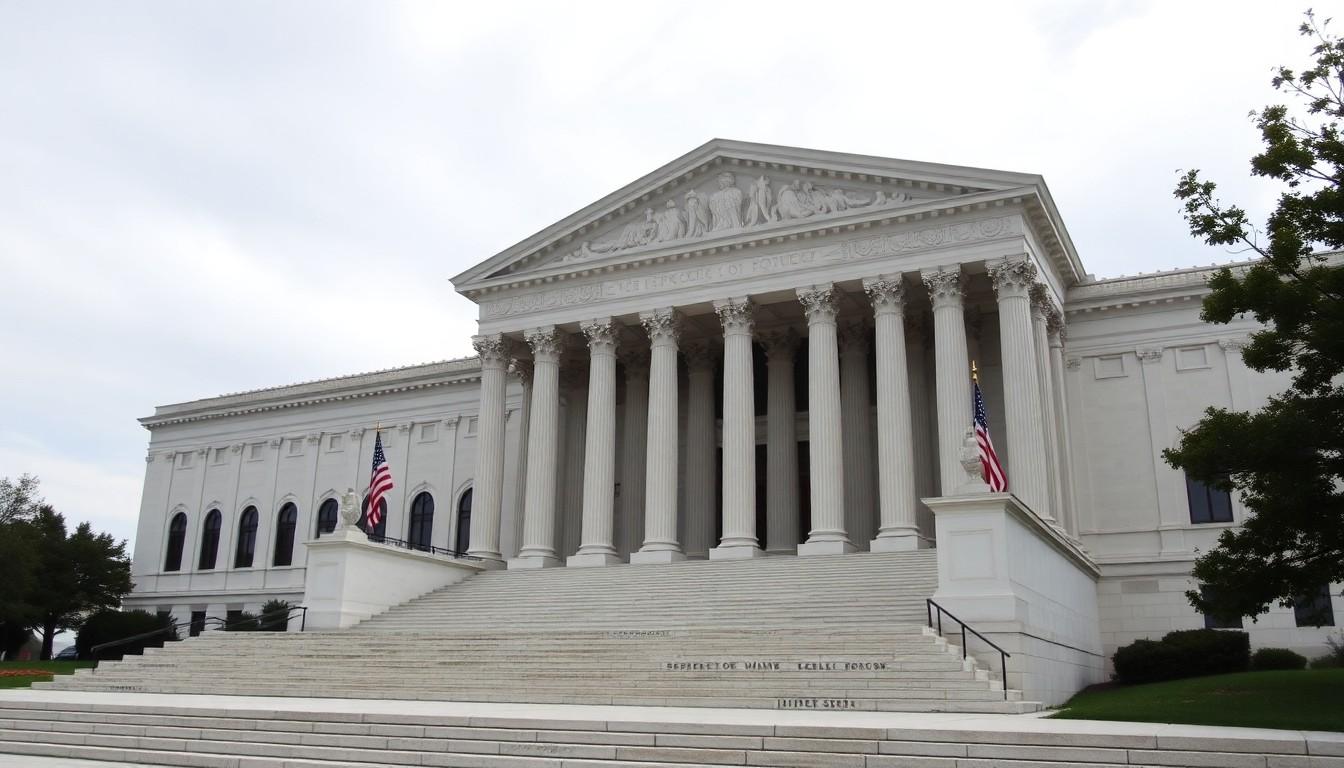
Take a moment: the Supreme Court’s recent ruling on transgender athletes reshapes competition rules in many states, but advocates say it’s narrower than it looks and won’t end broader fights over rights and healthcare. Here’s what happened, who’s reacting, and what parents, schools and lawmakers should watch next.
Essential Takeaways
- Ruling scope: The Court unanimously found the challenged state laws didn’t violate Title IX, but split 6-3 on equal protection, leaving room for narrower readings.
- Who won and who lost: Twenty-seven states already had bans; the decision bolsters those laws while prompting renewed challenges elsewhere.
- Practical effect: Immediate impact is largely on school sports eligibility rules; other transgender-related laws remain contestable.
- Sensory cue: The ruling feels both definitive and fragile , firm for now, but open to future legal testing.
What the court actually decided , and what it didn’t
The clearest part of the story is procedural: the Supreme Court said the state laws that limit participation in girls’ and women’s sports do not violate Title IX, the federal education law that bars sex discrimination. That was a unanimous conclusion on the Title IX question, so it carries weight. The justices split on the 14th Amendment equal protection question, deciding 6-3 in favour of the states, though three justices argued a factual dispute should have stopped that part of the decision. The mix of unanimity and division makes the ruling precise in its immediate effect, but not a broad green light to every law touching transgender people.
Why advocates aren’t taking this as the final word
Civil‑liberty groups quickly emphasised the limits of the decision. Lawyers with Lambda Legal and similar groups noted the Court’s reasoning was specific to school sports; other discriminatory laws or government actions will face separate scrutiny. That matters because courts weigh context. According to commentary from advocacy groups, this ruling doesn’t erase the possibility of successful challenges to bans on healthcare, identity documents, or other areas where courts apply different legal tests. So while the sports question is settled for the moment in many states, the larger legal landscape remains very much alive.
How this changes life for schools and families
For pupils, parents and school administrators the practical effect is immediate: eligibility policies around female teams are now on firmer footing in jurisdictions with bans. Schools will need clear, legally vetted policies and consistent implementation to avoid new litigation. For families of transgender students, the ruling creates extra stress and uncertainty; parents and advocates say it underscores the importance of local supports, inclusive policies where possible, and careful record‑keeping. If you’re a parent navigating team try‑outs, check your state’s law, talk to your school’s athletic director, and consider community legal resources if you anticipate a challenge.
The broader legal and political ripple effects
This decision slots into a pattern: the Court in recent years has allowed restrictions in several transgender‑related areas, from military service to youth healthcare and identity documents. Legal analysts point out that the conservative majority has been willing to permit state and federal actions that restrict transgender people in specific contexts. Politically, the ruling will energise both sides: conservative groups are calling it a vindication for girls’ sports protections, while civil‑rights advocates see it as a call to keep litigating other restrictions. Expect more cases as states test the line between athletics and equal protection.
What to watch next , cases, rules and commonsense steps
Keep an eye on future litigation that targets bans on healthcare, passports, and school discipline policies; courts may apply different legal standards in those fights. Lawmakers who want clear guidance might pursue narrow, sports‑specific legislation that addresses competitive fairness without sweeping into other areas. For parents and coaches: document communications, seek clarity from school boards, and look for local organisations that provide legal or counselling support. A measured approach helps protect students’ wellbeing while the courts continue to sort the law.
It's a small, consequential shift , one that tightens rules on the field but leaves the wider game far from decided.
Source Reference Map
Story idea inspired by: [1]
Sources by paragraph: