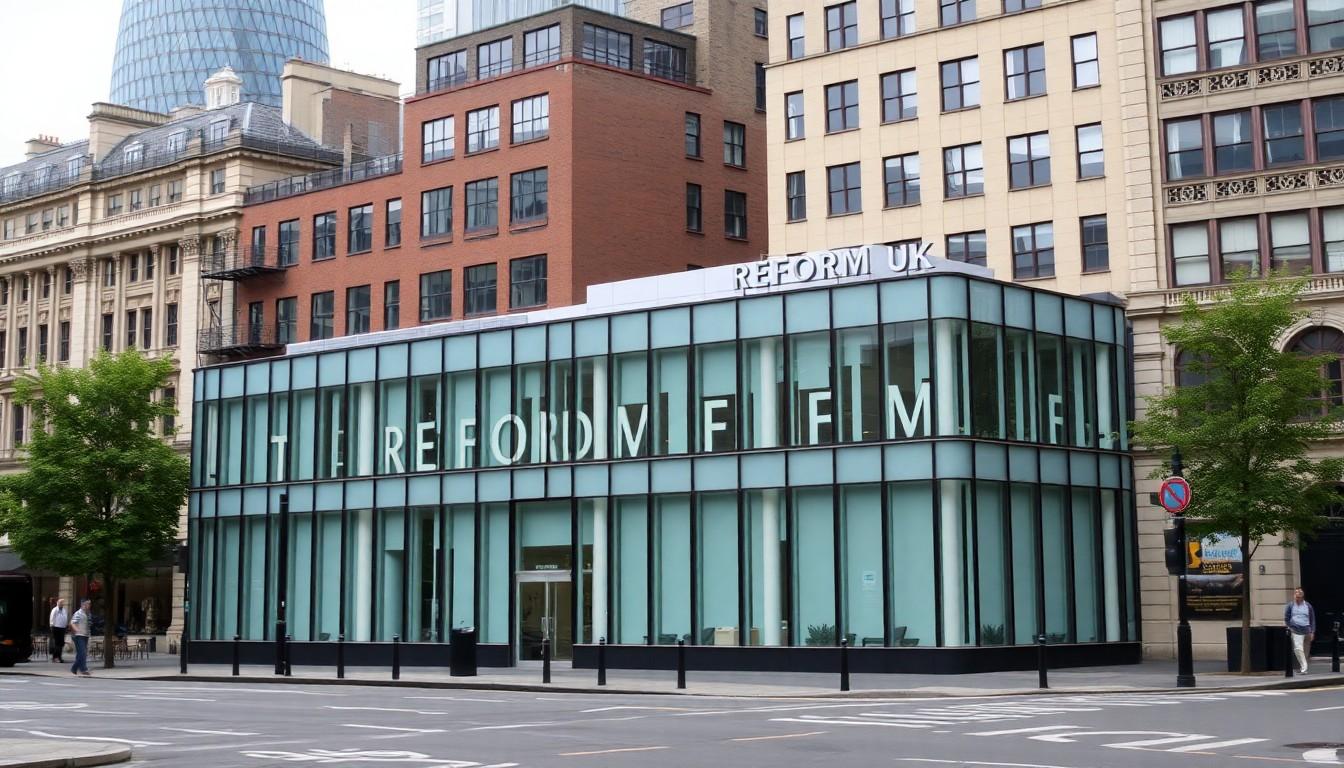
Thousands cheered under a bright London sky as Pride marched through the capital, but organisers and campaigners flagged a growing worry: Reform UK’s success at local level is changing how councils handle flags, books and community spaces , and that matters for LGBTQ+ rights across Britain.
Essential Takeaways
- Big turnout, bright mood: Crowds and colourful floats filled central London, with music, flags and a sunny atmosphere.
- Political worry: Activists say Reform UK’s local victories have led to flag bans and tougher controls on library content.
- Targeted changes: Councils controlled by Reform or similar groups have removed Pride flags and examined children’s books, creating chilling effects.
- Practical stakes: These shifts affect visibility, school and library access, and the everyday sense of safety for LGBTQ+ people.
- What to watch: Local council meetings, flag policies and library catalogue reviews are where the next skirmishes will happen.
Pride in full colour , but with an uneasy undertow
London’s parade was exactly what Pride should be: loud, celebratory and warm, with people dancing on floats and cheering from the kerb. The sensory detail mattered , the glitter, the music and the bright fans on a hot day , because visibility is both ritual and resistance. According to participants at the march, that display of community comes at a moment of political friction and genuine concern about rights at the local level.
Why Reform UK’s council gains feel different this time
Activists pointed to a pattern: newly elected councillors embracing policies that remove Pride flags or restrict what’s displayed on civic buildings. Reporters have tracked councils that have taken down flags or said they’ll review which symbols are permitted, and campaigners say those moves aren’t neutral. For many, a flag on a town hall is a simple signal of welcome; losing it sends a message that some residents aren’t included. That’s why Julian Hows and Peter Tatchell described the moment as especially urgent.
Libraries and children’s books: a new frontline
One of the clearest flashpoints has been library content. There have been publicised incidents where councillors have discussed moving LGBTQ+ titles out of children’s sections or reviewing stock. The disputes often play out as debates about age-appropriateness, but they have a wider cultural weight: removing or segregating books reduces young people’s chances to find reflections of themselves. Campaign groups warn this creates a slow, everyday form of exclusion long after a headline fades.
Flags, safety arguments and the political playbook
Councils have sometimes justified flag removals with safety or consistency claims , that one flag leads to calls for others, or that displays could provoke trouble. Local leaders frame it as even-handed administration. Yet activists see a pattern where symbolic gestures are pared back in areas where Reform-style politics are stronger. The practical takeaway is simple: these are decisions made at town hall level, not Westminster, so local elections and meetings now matter even more for culture wars.
What campaigners and residents can do now
If this feels worrying, there are constructive steps. Attend council meetings, check flag policies on local authority websites, back library review consultations and support community events that reaffirm visibility. Joining local Pride groups, volunteering at libraries or simply turning up to public sessions puts pressure on councillors who prefer quiet changes. It’s grassroots stuff, but it’s where these battles are actually decided.
It's a small change to pin a flag, but that small symbol can make a big difference to who feels welcome.
Source Reference Map
Story idea inspired by: [1]
Sources by paragraph: