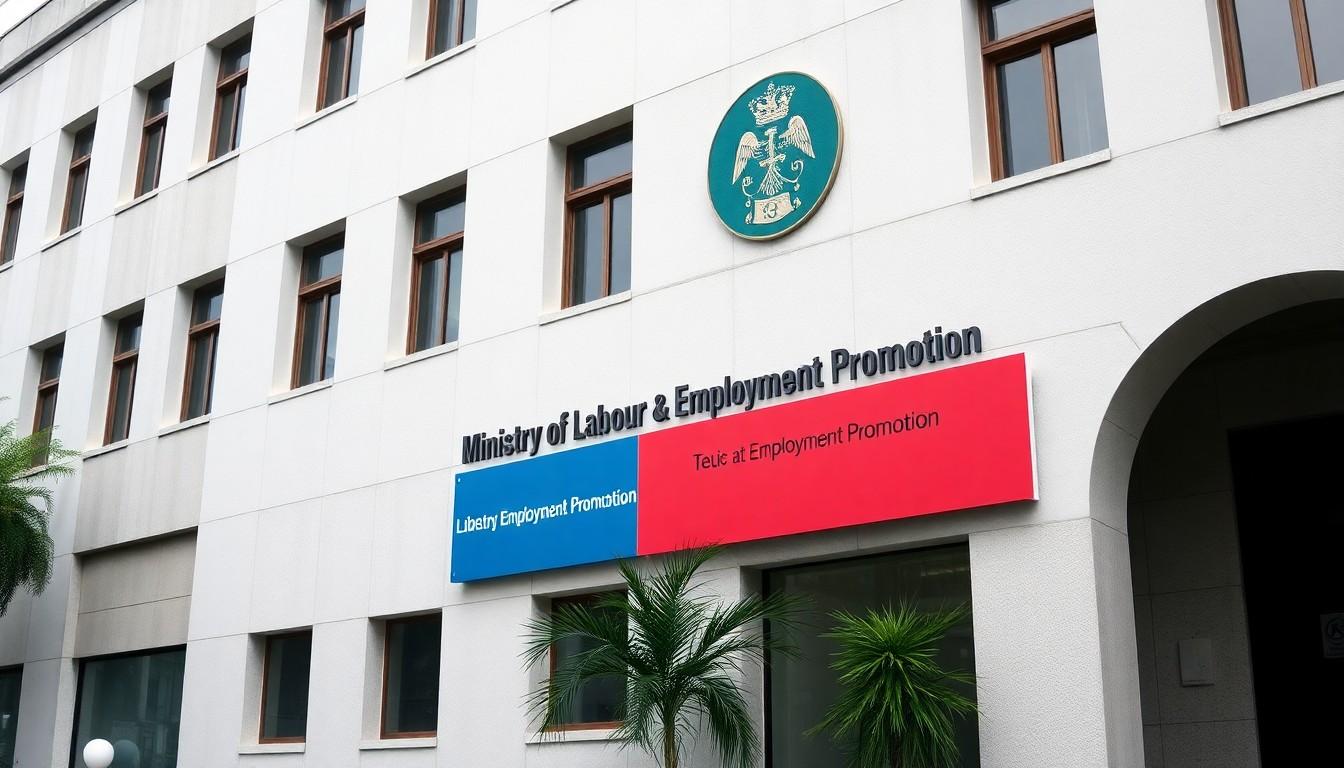
Shoppers of policy change, take note: Peru’s labour ministry is rolling out practical steps to make the job market fairer for LGBTIQ+ people, from inclusive service guidelines to free training and job fairs , a move that matters for equality, hiring and day‑to‑day dignity at work.
Essential Takeaways
- New directive coming: The MTPE will develop guidance to ensure public employment services treat LGBTIQ+ people with respect and inclusion.
- Access to training: LGBTIQ+ jobseekers will be eligible for the CAPACÍTA‑T platform’s free courses, employment fairs and placement services.
- Wider dialogue: The ministry has opened sustained talks with LGBTIQ+ groups from Lima and 13 regions to identify hiring barriers.
- Building on past work: This plan links to broader MTPE efforts to include vulnerable groups , women, youth, people with disabilities , in regional labour councils.
- Practical wins: Expect more visible support at job fairs, clearer referral routes and targeted outreach that can reduce discrimination during hiring.
A clear signal from the labour ministry , what actually changed
The Ministry of Labour and Promotion of Employment (MTPE) has moved beyond talk and into a list of concrete actions, starting with a directive to improve how public employment services respond to LGBTIQ+ users. That directive is meant to make offices and online services feel less cold and more welcoming , think staff training, simple guidance and clearer procedures. According to the MTPE announcement, these changes are built around practical access to tools people already use, such as CAPACÍTA‑T and employment fairs, so the benefits should be visible quickly.
Why meetings with grassroots groups matter
The ministry’s first official meeting with LGBTIQ+ organisations brought together representatives from Lima and 13 regions, including trans collectives and sexual workers. Those conversations mapped the day‑to‑day hurdles: biased recruitment, workplace harassment and educational exclusion. By listening, the MTPE aims to convert lived experience into policy measures that actually lower barriers, rather than launching one‑off campaigns. It’s a modest but telling switch from top‑down policy to collaborative problem‑solving.
Training, fairs and placement: practical tools that can change outcomes
One strength of the plan is its use of existing channels. CAPACÍTA‑T’s free courses can sharpen job skills, while employment fairs and intermediary services connect people to employers. That combination works because it addresses both supply and demand , improving applicants’ readiness while nudging employers to hire diversely. If you’re an LGBTIQ+ jobseeker, sign up for relevant online courses and local fairs; if you’re an employer, consider attending these events to meet motivated candidates and show visible commitment to inclusion.
How this fits into a bigger inclusion push
The MTPE points out this isn’t new territory: since 2022 the ministry has been widening the composition of regional labour councils to include groups requiring special protection. The same approach has been used to boost employment for people with disabilities, with measurable gains in regional participation. Framing LGBTIQ+ inclusion alongside other vulnerable groups makes the agenda easier to institutionalise , it’s less about a single campaign and more about changing norms in public employment services.
What to watch next , accountability and continuity
The ministry says it will leave an agenda for the next government and urged continued dialogue with civil society. That’s critical: directives and training are useful, but sustained change depends on monitoring, resourcing and regional follow‑through. Watch for published guidance, timelines for CAPACÍTA‑T outreach and reports from regional councils showing LGBTIQ+ representation in their dialogues. For activists and employers alike, this is the moment to push for measurable targets and public reporting.
It's a small change that can make every job search and workplace day a little fairer.
Source Reference Map
Story idea inspired by: [1]
Sources by paragraph: