Shoppers, activists and politicians have noticed a steady shift: government and grassroots groups are talking more, funding more and planning practical changes for LGBTQ+ people across Ireland , and that matters for health, housing and young people’s wellbeing.
Essential Takeaways
- High-level meeting: Government ministers and LGBTQ+ organisations met at Government Buildings to discuss priorities like trans healthcare and youth mental health, signalling a renewed dialogue.
- Funding momentum: There’s targeted community funding in place, with recent funding calls and projects announced to support local services.
- Policy progress: Ireland is moving on a national LGBTIQ inclusion strategy and steps towards trans healthcare reform and legal recognition.
- Community concerns remain: Organisations flagged ongoing issues: access to trans healthcare, sustainable funding, extremism’s impact and social cohesion.
- Practical benefit: Investing in community services helps reduce isolation, improve access to supports and strengthens democratic participation.
Why this government meeting felt different , and sounded hopeful
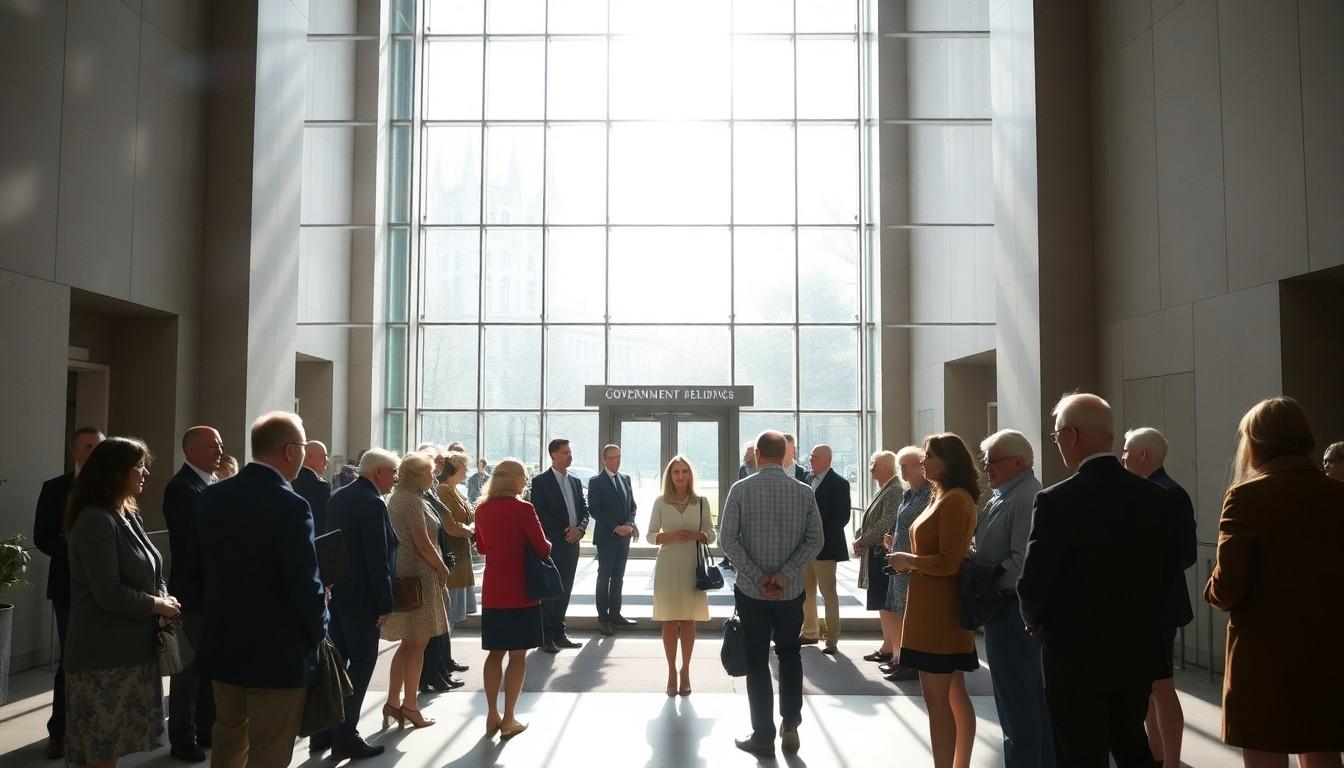
The scene at Government Buildings was calm but purposeful, with the country’s leaders and LGBTQ+ support groups around the same table. According to attendees, the conversation covered everyday, practical concerns , from how young people are coping to how clinics deliver trans healthcare , and the tone was constructive. Organisations such as LGBT Ireland and Outhouse praised the open dialogue, and Tánaiste and ministers showed they’re listening. For people on the receiving end of services, that’s more than nice words; it’s a sign the state is prepared to move from talk to delivery.
Funding is finally catching up with need
In recent years the Department of Children, Disability and Equality has launched targeted funding streams for LGBTI services, and government announcements show dozens of community projects receiving support. That matters because many frontline groups operate on tight shoestring budgets; a steady funding line means safer spaces, youth outreach and better support for people in crisis. If you’re looking at services in your area, ask whether they’re part of the funded cohort , it’s a quick way to pick groups likely to have the capacity to help.
Trans healthcare and legal recognition remain top priorities
Organisations like TENI emphasised that reforming trans healthcare and securing legal recognition are still unfinished business. The meeting reflected plans to develop a more accessible model of care and to address legal hurdles for trans and non-binary people. Progress has been made, but access can still feel slow or fragmented to families and young people. Practical tip: if you or someone you know needs services, register with local support groups early , they often know the quickest routes through waiting lists and can offer peer support.
Young people, mental health and why community spaces matter
A persistent theme was young people’s wellbeing; outreach, mental health supports and inclusive education came up repeatedly. Community centres and youth projects play a visible role here, offering quiet rooms, peer groups and a sense of belonging. Evidence from service providers suggests that investing in those spaces reduces isolation and improves mental health outcomes. So if you’re a parent or carer, look for youth-focused programmes run by established groups , they tend to combine professional supports with peer networks in a way that helps long term.
Extremism, polarisation and the link to social cohesion
A striking part of the conversation acknowledged a wider social reality: rising polarisation and the impact of extremist rhetoric can chip away at everyday inclusion. The groups framed equality as inseparable from social cohesion and democratic resilience. That shifts the debate from rights-only to community wellbeing, and it makes the case for cross‑society responses , education, legal protections and public funding work together. For citizens, that means supporting local initiatives, reporting hate incidents and staying engaged in local dialogue.
Closing line It’s not a cure-all, but a sustained mix of funding, policy action and community-driven services can make life tangibly better for LGBTQ+ people across Ireland.
Source Reference Map
Story idea inspired by: [1]
Sources by paragraph: