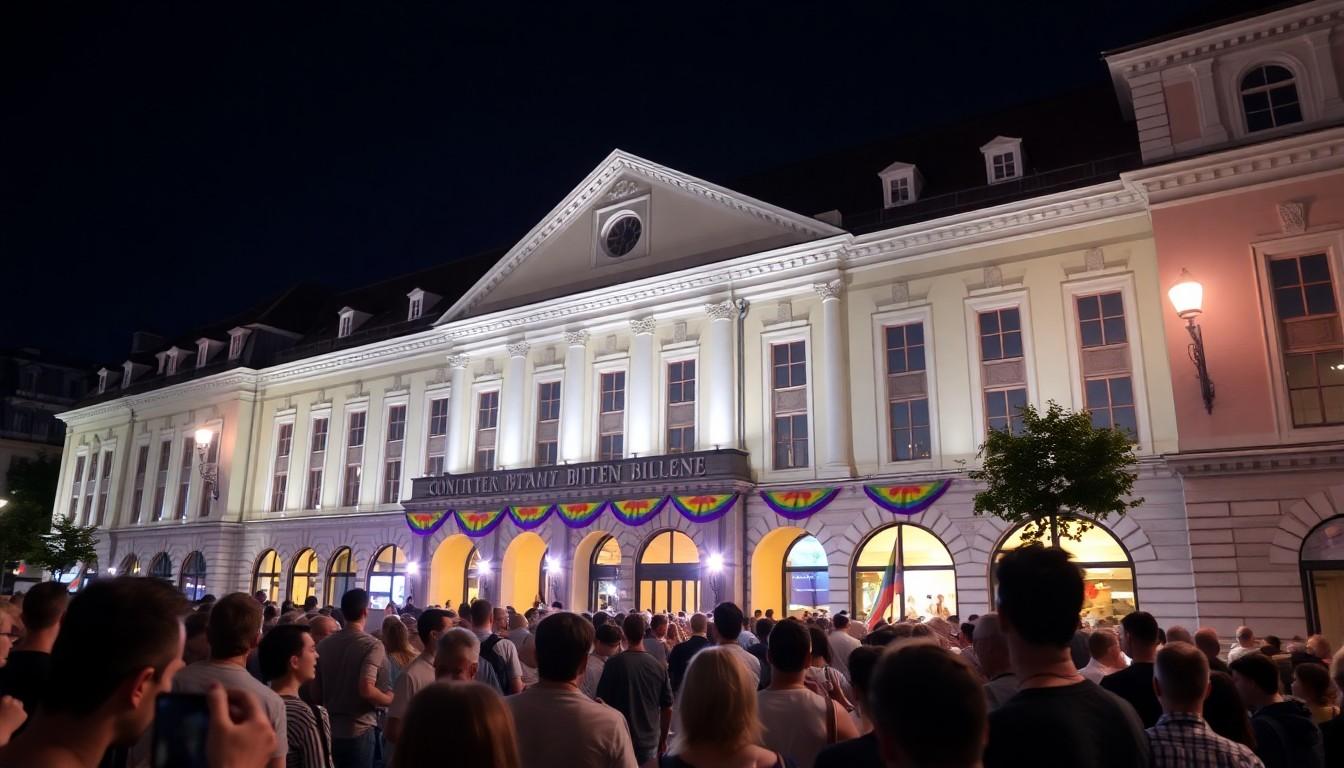
Shoppers and culture-seekers are turning their attention to Graz, where a queer community turned an insult into a party with purpose , the Tuntenball is now a roaring annual highlight, mixing outrage, glamour and grassroots support and earning recognition at the 2026 PEUGEOT Attitude PRIDE Awards Europe.
Essential Takeaways
- Historic reclaim: The word "Tunte", once a German slur, was reclaimed by Graz’s queer community and gives the Tuntenball its name.
- Big, flamboyant turnout: The ball fills Congress Graz with roughly 2,500 guests, many in lavish costumes and drag, creating a theatrical, club-like atmosphere.
- Community funding: Proceeds support counselling, asylum assistance, political lobbying and the "feel free" community centre.
- Broad appeal: Around half of attendees identify as straight, making the event a cross-community celebration and allyship showcase.
- Longevity and impact: Founded in 1991 and organised by RosaLila PantherInnen, the Tuntenball is now a key cultural fixture in Austria’s ball season.
How a slur became a battle cry , the opening hook
There’s a delicious bit of theatre in turning an insult into your marquee. Graz’s Tuntenball takes a word meant to wound and wears it like a sash, folding history into costume and dance. According to Attitude, this act of reclamation started in the early 1990s and has since become one of Europe’s most distinctive LGBTQ+ parties, equal parts political gesture and extravagant night out.
From student canteen to packed ballroom , the backstory
The first Tuntenball was a small, scrappy affair in a university canteen, drawing about 140 people. When conservative student politicians pushed the event off campus, organisers did what activists often do: they set up their own structure. The RosaLila PantherInnen was founded that same year to steward the ball and the causes it funds, turning a cancelled campus night into a decades-long institution.
Balls, costumes and community , what the Tuntenball feels like
Step inside Congress Graz and you’ll find a sea of sequins, towering wigs and theatrical makeup, with many attendees in elaborate drag that predates mainstream drag culture. Organisers say the vibe mixes nostalgia for Austria’s famed ball season with club energy , it’s formal and anarchic at once, a ceremony where the dress code is creative excess. The sensory note to expect: bold colours, loud music and a friendly, sometimes raucous, hum of solidarity.
Why it matters beyond the party , funding and politics
This is more than a headline act. The Tuntenball funnels proceeds into counselling services, asylum support and political advocacy, and helps maintain the "feel free" community centre , a safe, central spot for drop-in youth support, peer groups and social nights. As organisers point out, having a ball of their own was about equality and visibility; the money raised helps turn that visibility into tangible support for people who need it.
Allies, attendance and cultural ripple effects
One of the Tuntenball’s most striking features is its crossover appeal: roughly half of attendees identify as straight, a reminder that liberation movements often thrive when they’re shared. That mix is also political theatre , it signals acceptance, invites dialogue, and normalises queer joy in a formal civic space. Events like this have ripple effects: they shift perceptions locally, encourage political engagement and help knit allies into ongoing campaigns for rights.
Going next , practical tips if you’re planning to attend
Book early , seats and tickets move fast for a 2,500-person event. Embrace costume: the Tuntenball rewards creativity, whether you’re going subtle or spectacular. Expect a mix of generations and identities; it’s as much about community as it is about spectacle. If you want to support from afar, look into the RosaLila PantherInnen’s projects , donations and volunteer time help keep the "feel free" centre and support services running.
It's a small change that makes every costume, speech and donation mean more than a single night of fun.
Source Reference Map
Story idea inspired by: [1]
Sources by paragraph: