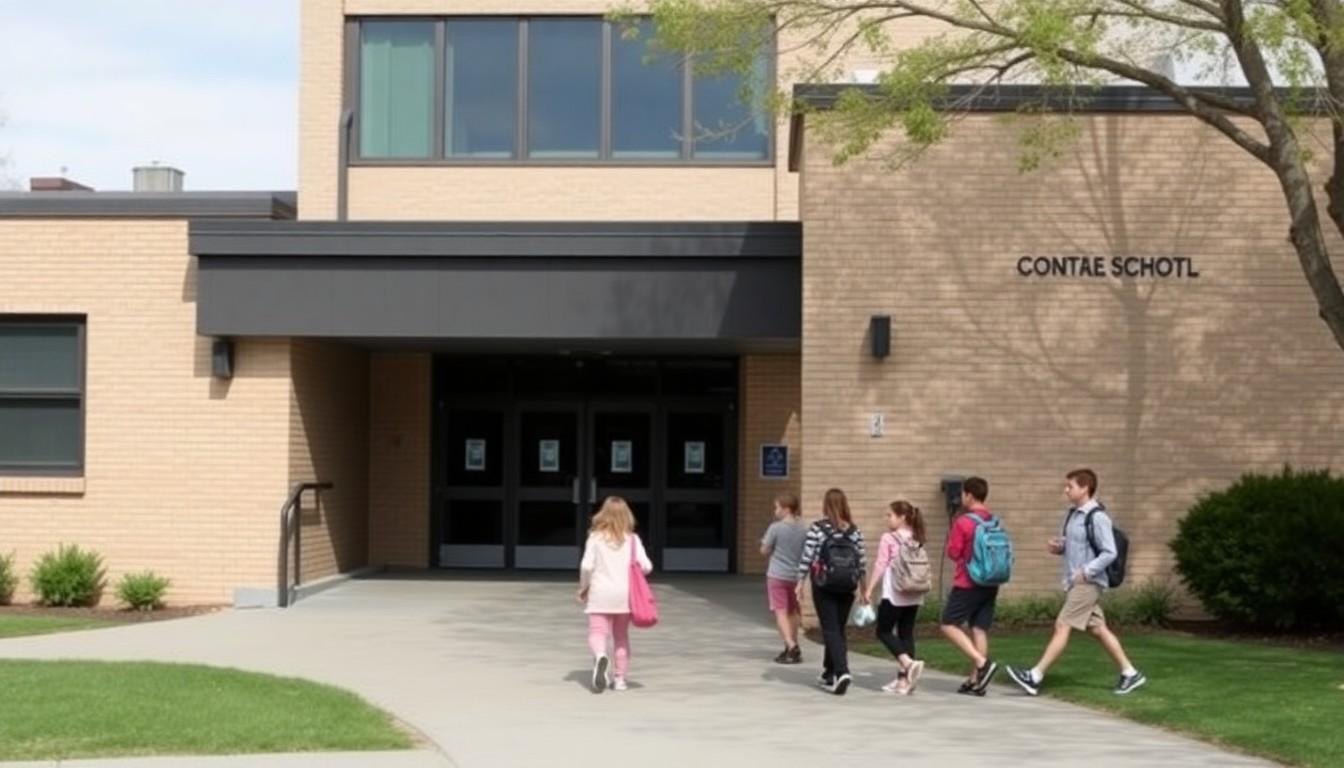
Watch the conversation unfold: a Supreme Court decision has reignited a fraught debate about fairness, safety and civil rights , and even public figures like Melania Trump are trying to thread a needle that many say won’t hold. Here’s what happened, who’s reacting, and what it means for students, schools and communities.
Essential Takeaways
- Ruling outcome: The Supreme Court’s 6–3 decision allows states to bar transgender girls from competing on girls’ and women’s school sports teams.
- Legal basis: The majority opinion says states may determine eligibility based on biological sex consistent with Title IX and the Constitution.
- Mixed public reaction: Some LGBTQ people and allies agree restrictions can protect women’s sports; others call it a denial of trans students’ rights.
- Practical impact: State-level bans remain enforceable, creating a patchwork of rules that affect school sports, participation and student wellbeing.
- Emotional note: The decision has left families, coaches and athletes feeling both vindicated and vulnerable, depending on where they stand.
The ruling, plain and sharp: what the court decided and how it feels
The Supreme Court’s majority concluded states can set eligibility for girls’ and women’s teams by biological sex, a determination that immediately changes the playing field for many students. The opinion, written by Justice Brett Kavanaugh, frames the decision as compatible with Title IX and the Equal Protection Clause. Reuters and AP detailed the legal logic and noted the ruling wasn’t unanimous, which underscores how contested the issue remains. For families with kids who play school sports, the outcome landed like a sudden rule change , confusing, definitive and emotionally charged.
Melania Trump’s intervention: balance or controversy?
When Melania Trump said it’s possible to support LGBTQ rights while also protecting girls’ sports, she tried to offer a middle path , and the response was predictable: split. Instinct Magazine covered her comments, and they illustrate a wider political tactic of seeking compromise in a polarised debate. But as The Atlantic argues, compromise language doesn’t erase the real harms advocates warn about, nor does it settle how schools should balance inclusion and competitive fairness. The line between “respect everyone” and practical policy is thinner than it looks.
Where advocates and critics stand: safety, fairness, and rights
Civil liberties groups, including the ACLU, described the decision as harmful to transgender students, warning of exclusion and psychological damage. Conversely, supporters of the bans stress fairness for female athletes and the integrity of women’s competitions. Coverage by Axios and KPBS shows how the dispute plays out in state legislatures and school boards: some communities will double down on bans, others will push for inclusive policies within available legal limits. It’s a divide that maps onto deeper disagreements about how we define fairness and protect vulnerable groups.
The practical fallout for schools, coaches and athletes
Expect a messy, localised implementation. Schools will face decisions about rosters, team structure and how to handle complaints or challenges. The Washington Post reported on coaches already grappling with mixed messages about eligibility and team cohesion. For parents and players, that means more bureaucracy, potential legal battles and a patchwork of student experiences depending on where they live. If you’re a parent, check your school’s policies, ask how eligibility is verified, and talk to coaches about inclusion and safety plans.
What this means going forward: politics, precedent and community impact
The ruling doesn’t end the debate; it reboots it at the state level and in public discourse. As AP and Axios both note, expect more legislation, litigation and local fightbacks. Some institutions , colleges, private leagues and associations , may set their own rules, creating further complexity. Meanwhile, communities will need to reconcile competing values: protecting sports fairness as some define it, while safeguarding civil rights and mental health for transgender youth. It’s an argument that will continue to be played out in locker rooms, courtrooms and classrooms.
It's a small change that will have large, personal consequences for many students , and it’s likely the conversation will be with us for years.
Source Reference Map
Story idea inspired by: [1]
Sources by paragraph: