Shoppers and partygoers are noticing a tighter corporate purse this Pride season, as creators, organisers, and attendees in New York and beyond reckon with fewer sponsorships and short-term deals that leave queer media and events scrambling for sustainable support.
Essential Takeaways
- Brand retreat is real: Major and local Pride events report fewer corporate sponsors and smaller commitments, leaving organisers to patch budgets with short-term deals.
- Creators feel risk-graded: Queer creators say brands often consider LGBTQ+ content "riskier," pushing them toward one-off Pride gigs rather than year-round partnerships.
- Pride concentrated in June: Companies still show up for Pride month, but many limit activity to June, creating feast-or-famine income cycles for creators.
- Local impacts are visible: Some city and regional Prides have cut programming or filed for emergency measures after sponsors pulled out, affecting accessibility and reach.
- Practical reality: Creators and organisers are seeking diversified income , from alcohol sponsors to direct-to-fan models , to keep events lively and financially viable.
A wild Pride party with a serious question: who’s funding the fun?
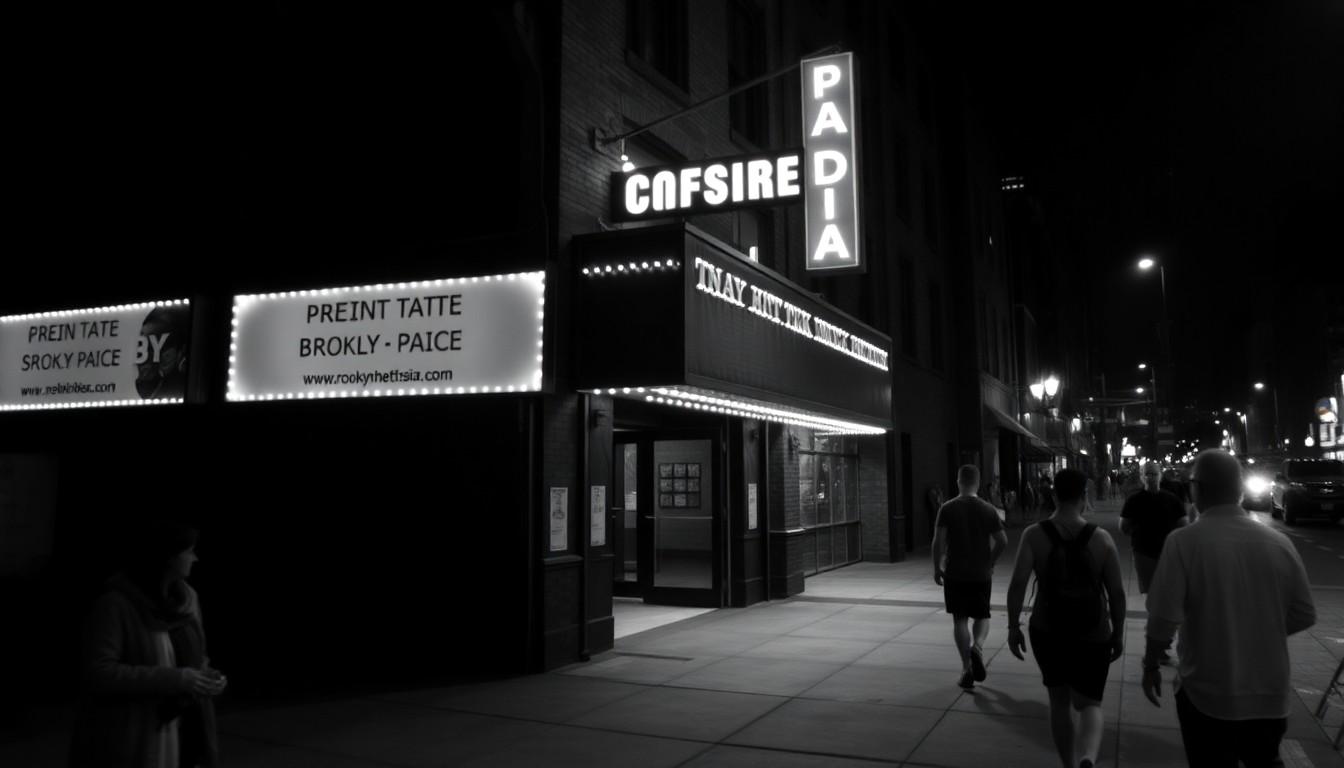
The scene at a packed Brooklyn nightclub felt celebratory and loud, but conversations around the bar turned quickly to money and survival. According to organisers on the ground, the event was packed, colourful, and full of creators with buzzing followings, yet behind the glitter the talk was about sponsorships drying up. Industry insiders and party hosts say this split between spectacle and funding is shaping how Pride looks, sounds, and pays.
Why brands are tightening their belts
Pressure on corporate Pride sponsorships has come from multiple directions, including political backlash and executive caution. Reports from local and national outlets show corporations reassessing visible LGBTQ+ support, especially beyond June, and some companies are scaling back or reallocating budgets entirely. That shift forces organisers to reimagine funding , and creators to brace for shorter, less dependable partnerships.
Creators feel the squeeze: short-term deals and brand safety worries
Queer creators describe a familiar pattern: a flurry of offers around Pride month, then silence the rest of the year. Many say brands label queer content "riskier," and that perception reduces access to longer-term commissions. The result is a patchwork approach to income , creators chase June deals, take hospitality sponsorships, or lean on platform growth to monetise directly.
When local Prides are hit hardest
Smaller and regional Pride festivals are bearing a disproportionate share of the fallout. Several events have reported cutbacks, scaled-back programming, or even emergency filings after sponsors withdrew. That translates to fewer free stages, reduced accessibility services, and a thinner local calendar, making Pride less inclusive for those who rely on community-run events.
How organisers and creators are adapting
Faced with uncertainty, organisers are diversifying revenue sources: drinks sponsors to underwrite parties, crowdfunded passes, merch drops, and year-round content partnerships that bypass traditional corporate comfort zones. Some are doubling down on direct-to-fan models and membership tiers to steady income across the year. Practical tip: if you want to support creators beyond June, follow them, buy merch, and consider subscriptions , small actions make budgets less precarious.
What this means for the future of Pride
The pullback from brands leaves Pride with a choice: accept a June-only visibility model, or rework funding so queer communities and creators keep agency over events and content. Many organisers and creators are choosing the latter, experimenting with hybrid funding and local partnerships to make celebrations resilient. It’s messy, creative, and very much community-led.
It's a small change that can make every Pride feel more stable and more ours.
Source Reference Map
Story idea inspired by: [1]
Sources by paragraph: