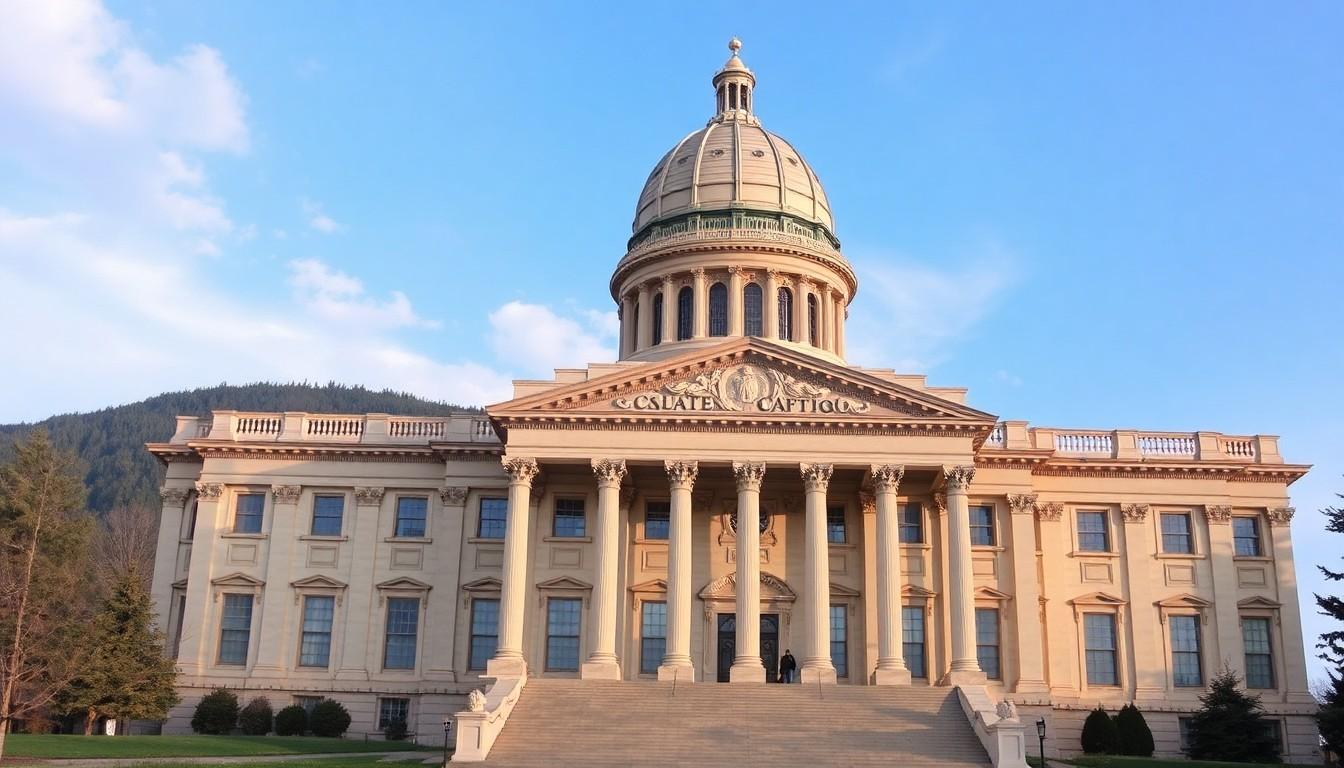
Shoppers are watching a watershed decision unfold: today’s Supreme Court ruling upholds Idaho and West Virginia bans on transgender women and girls in school sports, a move that lawyers, advocates and athletes say will reshape access to team sports and protection under Title IX across the United States.
Essential Takeaways
- Ruling outcome: The Supreme Court upheld Idaho and West Virginia sports bans, finding no violation of Title IX or the Equal Protection Clause.
- Immediate impact: Federal courts had previously blocked enforcement, but the Supreme Court decision clears the way for states to keep or enact similar restrictions.
- Human cost: Advocates warn the ruling will exclude transgender youth from team benefits like camaraderie and scholarships and may encourage invasive sex-testing and harassment.
- Wider trend: Since 2020, 27 states have passed laws restricting transgender students’ participation in school sports, with high-profile local incidents underscoring risks.
- Ongoing response: Civil-rights groups including Lambda Legal and the ACLU plan further litigation and advocacy to protect transgender students’ rights.
What the decision actually decided and why it matters
The Court ruled that Idaho and West Virginia laws barring transgender women and girls from female sports teams do not necessarily violate Title IX or the Equal Protection Clause. Reporters at Axios and AP explained the gist of the majority opinion and the practical effect: states can enforce those categorical bans. That matters because it changes the legal landscape for school sports nationwide, and it gives states a clearer green light to maintain or introduce similar statutes. For families and school officials this isn’t abstract , it touches day‑to‑day eligibility, team rosters and who gets to wear the kit and compete.
How lawyers and advocates reacted , grief, resolve and next steps
Lambda Legal and the ACLU responded with blunt, emotional statements noting the ruling’s harm to transgender girls seeking the same opportunities as peers. Sasha Buchert of Lambda Legal called the result “deeply harmful,” while Joshua Block of the ACLU called it “heartbreaking,” according to reporting on the advocacy responses. Legal groups say they’ll continue to litigate and push policy changes, and you should expect appeals, state‑level fights, and new strategies aimed at preserving access to sports for transgender youth. For parents and teams, that means the legal story is not finished.
Real-world incidents that show why people worry about policing bodies
The decision lands against a background of invasive, sometimes humiliating episodes. Journalists at AP and other outlets have documented cases where teenagers were subjected to investigations, threats or public scrutiny after accusations about their sex or gender. In Florida, officials compiled a lengthy report into a teen athlete’s medical and physical history; in other states, accusations prompted threats and official probes. Those stories illustrate how laws and their enforcement can turn a schoolyard dispute into a privacy nightmare , and advocates warn the ruling could normalise further intrusion.
The broader cultural and sporting debate: fairness, safety and solidarity
National conversations about women’s sports, fairness and safety have intensified as high‑profile athletes and organisations have weighed in. Figures such as Billie Jean King and Megan Rapinoe, and groups including the Women’s Sports Foundation, have publicly opposed discriminatory bans, arguing inclusion promotes equality for all players. Commentary in outlets such as The Atlantic frames the ruling within larger debates about sex, gender and the future of women’s sport. Expect federations, high‑school associations and colleges to revisit eligibility rules and to brace for policy friction.
What this means for schools, coaches and parents , practical steps
Schools and coaches need to update compliance plans and be ready for new state rules; athletic directors should consult legal counsel and rewrite handbooks where necessary. Parents should document communications with schools, know local rules on eligibility and support networks, and consider privacy safeguards for their children. Advocacy groups recommend practical measures: ensure coaches receive anti‑bullying training, create clear complaint procedures, and spotlight resources that help all students benefit from team participation. In short, preparation and policy clarity will matter more than ever.
It's a small change that will shape who gets to play and how schools protect students.
Source Reference Map
Story idea inspired by: [1]
Sources by paragraph: