Shoppers of facts and activists are tuning in as Michael David Tan spotlights how LGBTQIA+ Filipinos are routinely left out of disaster relief; his Atlantic Fellows talk in London shows who’s missing in evacuation centres, housing schemes and aid lists , and why inclusion changes outcomes for everyone.
Essential Takeaways
- Under‑counted: LGBTQIA+ households are often invisible in relief records because legal recognition is lacking, so partners miss out on housing and direct ayuda.
- Safety issue: Trans people report feeling unsafe in mixed evacuation centres lacking gender‑neutral facilities and privacy.
- Leadership spotlight: Michael David Tan, publisher of Outrage Magazine, is the sole Filipino in the 2025–26 Atlantic Fellows cohort highlighting these gaps.
- Practical gap: Simple fixes , inclusive intake forms, gender‑neutral toilets, and recognition of diverse households , can make relief fairer and more effective.
A visible absence: what Tan told LSE and why the room noticed
Tan’s account of LGBTQIA+ people in disaster zones is vivid and immediate, the sort of reporting that leaves a small, uncomfortable ache. He’s travelled to communities hit by Taal and Mayon eruptions and to conflict‑torn Zamboanga, and what he keeps seeing is exclusion dressed up as oversight. According to his talk at the London School of Economics, relief distribution and housing schemes routinely erase same‑sex couples and gender diverse people from planning, which means real families miss out on shelter and cash support.
This isn’t just an anecdote; it’s a pattern that compounds trauma. When official systems don’t recognise a household, paperwork and queues can become barriers rather than support. So the issue Tan raises at the Atlantic Fellows gathering is both practical and moral: can emergency systems be redesigned to count everyone they’re meant to serve?
Why legal recognition matters in emergency aid
A practical problem often has a legal thread. Without marriage equality or legal recognition of partnerships, same‑sex couples aren’t always recorded as households, and that affects eligibility for aid. Tan points out that this bureaucratic invisibility isn’t neutral , it shapes who gets tents, which families are rehoused, and who receives direct ayuda.
Put simply: paperwork determines survival options. Organisations and local governments that use binary or narrow forms are likely to exclude people who don’t fit expected family models. The remedy starts with forms and policies that capture relationship status and gender identity accurately, and with frontline staff trained to apply those changes compassionately.
Evacuation centres and dignity: the gender‑neutral facilities gap
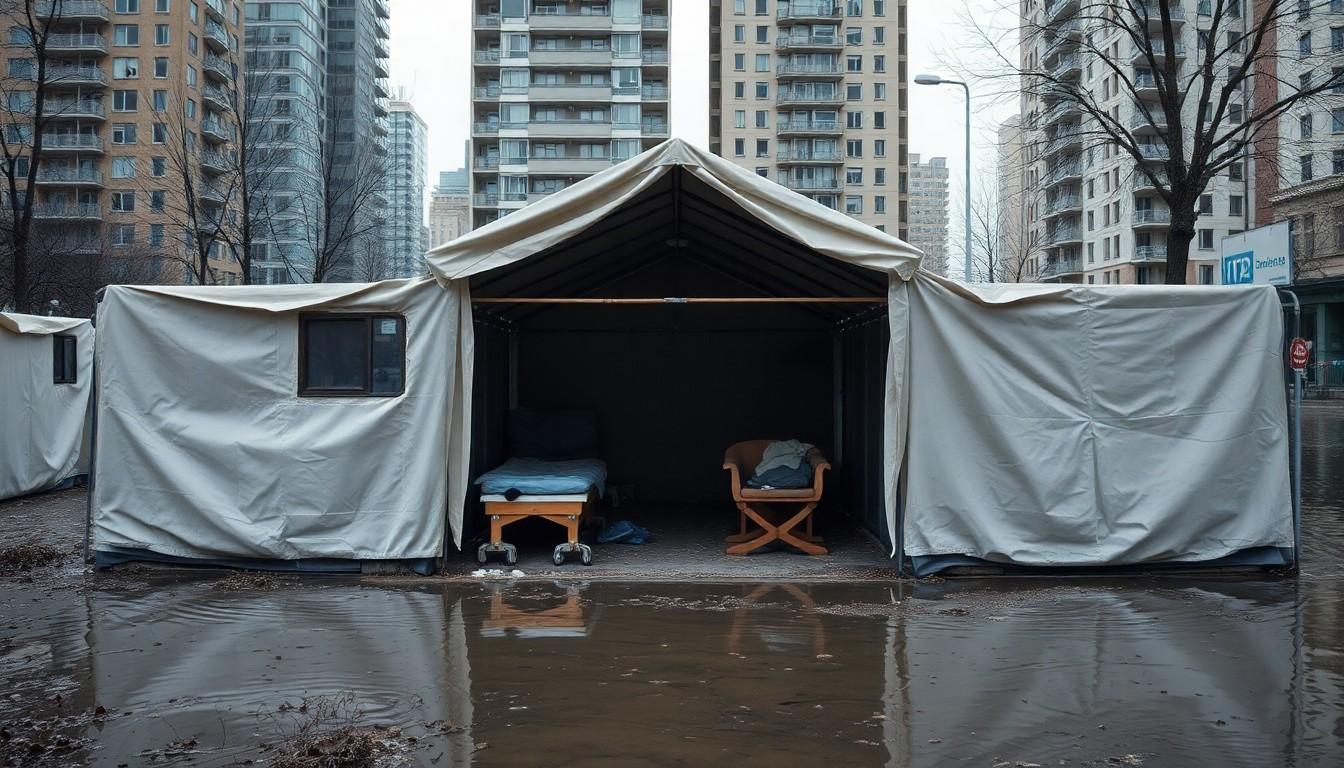
One of the most pressing practical issues Tan highlighted is the experience of transgender people in evacuation centres. When toilets and sleeping arrangements are strictly male or female, trans and gender‑nonconforming evacuees face daily indignities and real safety risks. The solution can be low‑tech , screens, private cubicles, dedicated safe spaces , but it needs to be built into disaster plans, not added as an afterthought.
Organisers and camp managers can act immediately: create clear protocols for privacy, offer single‑occupancy options, and ensure staff understand SOGIESC (sexual orientation, gender identity and expression, and sex characteristics) as standard operating knowledge. That small shift reduces fear and improves wellbeing for everyone in a centre.
From recognition to action: how fellows and NGOs can push change
Tan’s role as an Atlantic Fellow gives him a platform to translate visibility into policy nudges. The Atlantic Fellows for Social and Economic Equity programme at LSE brings diverse leaders together, and that network effect matters. According to LSE materials, fellows share research and practical interventions , exactly the bridge between reporting and reform Tan wants.
Campaigns can start local: amend intake forms, run inclusive training for relief workers, and pilot gender‑neutral amenities in one evacuation site to prove the model. From there, evidence and lived stories make a persuasive case for scaling up.
Small moves, big difference: practical tips for emergency planners and volunteers
If you’re involved in relief work, start with tiny, high‑impact adjustments. Update registration forms to include relationship categories beyond “head of household”; add options for gender identity; label at least some toilets and sleeping areas as single‑use; and ensure distribution lists don’t rely solely on marriage certificates. Community outreach matters too , let marginalised groups know how to access aid and where to raise complaints safely.
And for readers, boosting groups like Outrage Magazine and local SOGIE advocacy networks helps keep these issues in public view. Visibility is often the first step toward the “sledgehammer” solutions Tan says are needed.
It's a small change that can make every evacuation safer and fairer.
Source Reference Map
Story idea inspired by: [1]
Sources by paragraph: