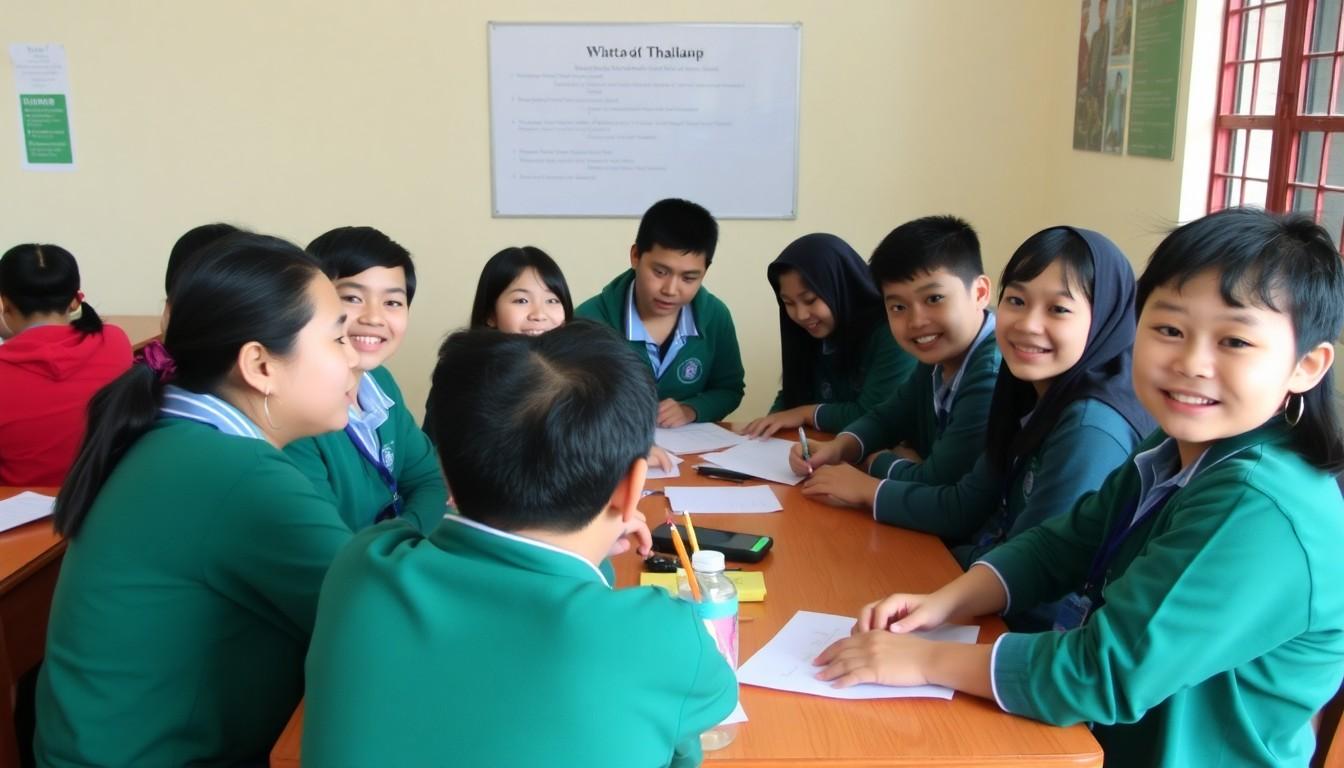
Shoppers are turning to stories of brave teens: young activists across Thailand are running workshops, opening conversations and shifting attitudes in schools and towns , and it's already making communities more accepting and safer. Here’s how student-led programmes are reshaping gender and inclusion in northeast Thailand and beyond.
Essential Takeaways
- Local leadership matters: Teen-led groups trained by Isaan Gender Diversity Network (IGDN) are running peer workshops that feel relatable and practical.
- Quick impact: A single all-day school workshop reached nearly 80 students and visibly changed classroom conversations.
- Grassroots reach: Youth-led initiatives have already engaged roughly 1,500 young people across Isaan through multiple community groups.
- Emotional resonance: Students report feeling liberated, safer and less alone , the programmes help with identity, belonging and mental health.
How a high-school library became a launchpad for change
Rita, an 18-year-old activist from Nong Khai, illustrates how personal story and place combine to spark action; there’s a quiet intensity to scenes of teens plotting in a school library. According to AJWS reporting, IGDN’s Isaan Children Youth Leadership initiative brought together students like Rita and trained them to run workshops back home. The result feels immediate , school corridors, once silent on gender, now buzz with conversation. If you visit one of these sessions you’ll notice they’re informal, visual and anchored in real-life scenarios, which helps other students drop their guard and listen.
Why peer education works better than lectures
Thai schools tend to avoid formal lessons on gender and sexuality, so peer-led sessions plug an obvious gap. Teachers such as Nuntiwan “Koi” Sorasis told AJWS that when students lead, their classmates open up in ways adults often can’t prompt. IGDN’s model , training a cadre who then form local youth groups , spreads knowledge horizontally rather than top-down, so messages feel less preachy and more relatable. If you’re thinking of supporting similar work, look for programmes that coach young people in facilitation skills as much as subject matter.
What these workshops actually do for students
Workshops such as “Expanding Perspectives Beyond Male-Female” use activities to challenge rigid gender norms and patriarchal expectations, and that experiential approach helps students name their feelings and find peers who understand them. Participants describe feeling “liberated” and less fearful of ostracism, which is crucial in a culture where family acceptance still determines many young lives. Practically, organisers emphasise confidentiality, role-play and safe spaces , three things any school or group should replicate if they want impact.
The broader ecosystem: partners, networks and momentum
IGDN is just one part of a growing ecosystem in Thailand that includes national bodies and youth groups working on inclusion and rights. United Nations coverage highlights LGBTIQ activists building safer communities, while organisations like Young Pride Foundation and local networks provide complementary training and resources. This wider support helps student groups scale their outreach beyond a single school and coordinate activities across provinces , and that coordination is what turns isolated actions into a movement.
Picking or supporting a programme that actually helps
If you want to back youth-led inclusion programmes, prioritise groups that centre young people’s voices, offer ongoing mentoring and measure reach , not just one-off events. Look for evidence of peer networks, repeat workshops and community engagement; IGDN’s model, where students form local youth groups and run multiple programmes, is a good template. For parents or educators, the simplest step is to invite organisers into the school in a non‑judgemental, supportive way and ensure students know where to get confidential support afterwards.
It's a small change that can make every school corridor feel safer and more human.
Source Reference Map
Story idea inspired by: [1]
Sources by paragraph: