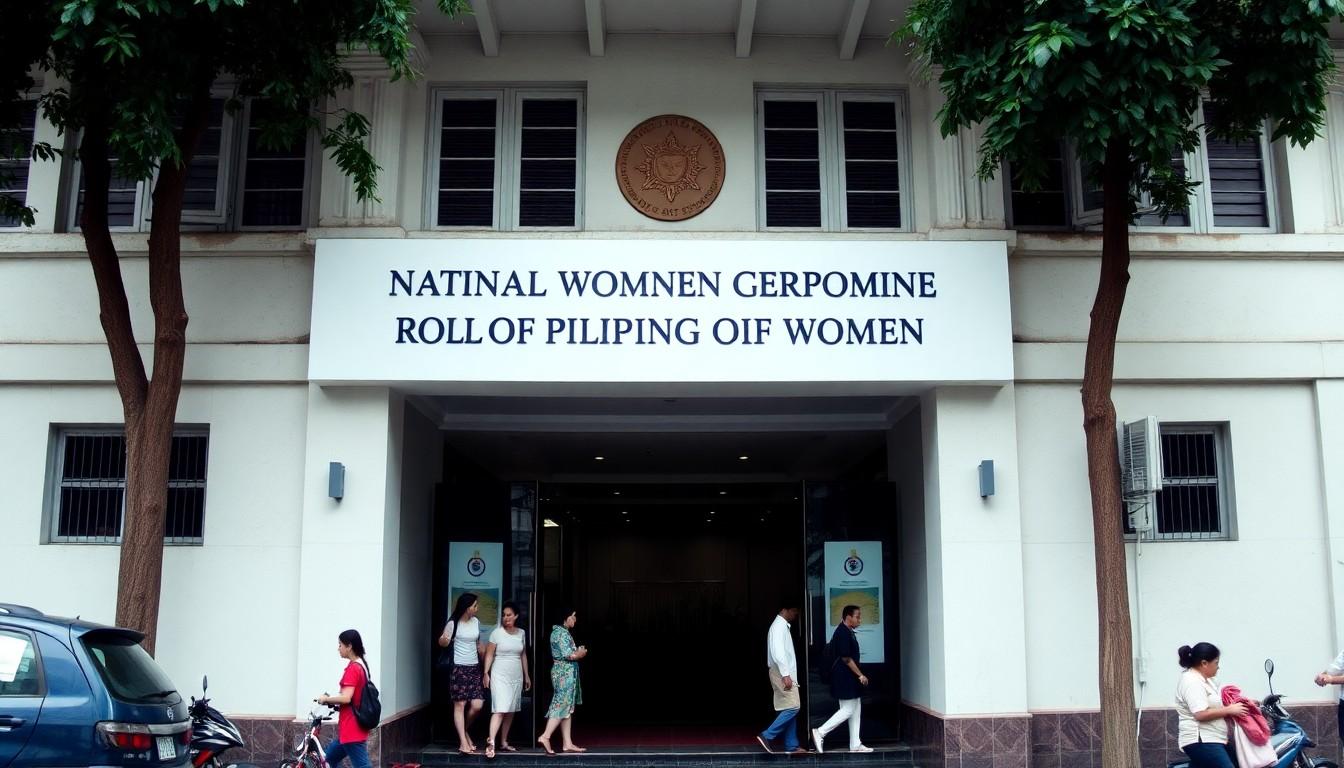
Shoppers, students and commuters are noticing better protections after the Safe Spaces Act , and Pride’s huge turnout at UP Diliman showed why it matters. The law covers public places, workplaces, schools and the internet, giving LGBTQ+ people clearer recourse against harassment and helping shift culture from tolerance to respect.
Essential Takeaways
- Wide coverage: The law applies in streets, malls, parks, public transport, schools, workplaces and online, so harassment almost anywhere can be acted on.
- Broader definitions: Harassment includes verbal, visual, physical and severe acts , from catcalls and leering to stalking and sharing intimate images without consent.
- SOGIE-focused: Acts committed because of sexual orientation, gender identity or expression are explicitly recognised, which matters for targeted abuse.
- No authority needed: Unlike earlier rules, the perpetrator needn’t be the victim’s boss; peers, strangers and subordinates can all be held accountable.
- Practical penalties: Penalties vary by severity and repetition, giving authorities room to match punishment to harm while promoting accountability.
Why the Safe Spaces Act feels different on the ground
What struck many at the massive Pride event at UP Diliman was a sense of permission to be visible, without that undercurrent of dread. The Safe Spaces Act does more than name misconduct; it defines it in sensory, recognisable ways , the wolf-whistle, the lingering stare, the unwanted touch , so victims and bystanders know when behaviour crosses the line. That matters because naming something is the first step to stopping it.
The law grew out of gaps in older rules that assumed harassment came from someone in power. So many people experience abuse from strangers on buses or online trolls; the act acknowledges those realities and closes a practical loophole.
What counts as harassment now , and why SOGIE matters
Under the act harassment is gender-based if it’s linked to a person’s sexual orientation, gender identity or expression. That’s not just technical wording: it recognises the patterns of homophobic and transphobic abuse that fuel fear in daily life. Verbal slurs, relentless messages, impersonation, and sharing private images without consent are all covered.
For survivors this gives clearer grounds for complaints. For employers and schools it creates duties to act, investigate and prevent. In short, the law shifts responsibility onto institutions as much as individuals.
Public spaces, transit and everyday safety tips
Streets, parks, malls and public transport are explicitly in scope, which is important because many incidents happen in transit or crowded public spots. That means witnesses, drivers and staff can be implicated if they enable or ignore harassment.
Practical tips: speak up if it’s safe, document incidents with time-stamped photos or recordings, and report to authorities or venue managers. If you’re an ally, offer to be a witness or help the person file a complaint , small gestures can make formal follow-up much easier.
Online harassment is treated seriously , here’s what to watch for
The act covers cyberstalking, persistent unwanted messaging, doxxing and sharing sexual images without consent. With so much of social life online, that protection is crucial. Creating fake accounts to impersonate someone, or spreading malicious rumours, now sits squarely within the law’s reach.
If you’re targeted, preserve evidence, block and report accounts, and consider reporting to platform providers as well as filing a complaint under the act. Digital forensics can help, so keep originals and metadata where possible.
Workplaces and schools: obligations and practical steps
Employers and educators must now recognise hostile environments and retaliatory behaviour, whether it comes from a supervisor or a peer. That means harassment policies need updating, reporting channels should be clear, and training must be routine , not a once-a-year box-ticking exercise.
If you’re a manager, conduct impartial investigations, protect complainants from retaliation and apply sanctions consistently. If you’re a student or employee, document incidents, use internal grievance procedures, and seek support from campus or union groups.
What comes next: enforcement, culture change and the SOGIE bill
Laws don’t instantly change attitudes, but they change incentives. Enforcement will be critical, and wider campaigns to educate the public will determine whether the Safe Spaces Act becomes a lived safeguard or an underused statute. The ongoing push for an Anti-Discrimination (SOGIE) bill aims to lock in protections against economic and service-based discrimination, which would complement the act.
It’s also worth noting that court commentary and civil society voices keep shaping interpretation, so staying informed helps everyone use the law effectively.
It's a small but steady shift: clearer rules, practical reporting paths and a legal recognition that LGBTQ+ people deserve dignity in every corner of life.
Source Reference Map
Story idea inspired by: [1]
Sources by paragraph: