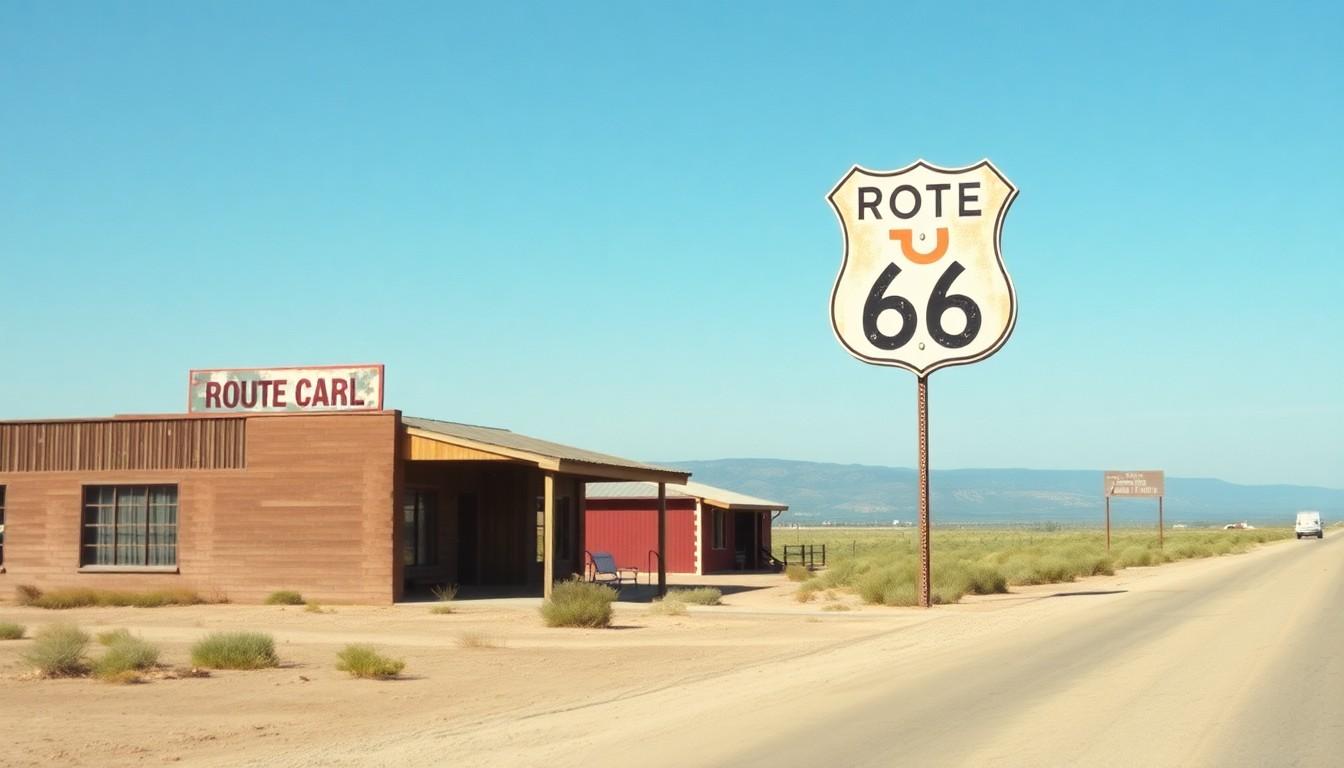
Discovering queer history on Route 66 feels like uncovering a secret playlist, full of unexpected warmth, old neon and stories that hum under the miles. Travellers are finding New Mexico especially generous with visible LGBTQ+ history, with Arizona offering quieter, tucked-away moments that matter for anyone touring the Mother Road.
Essential Takeaways
- Visible queer heritage: New Mexico shows LGBTQ+ history in plain sight, with murals, markers and community memories along Route 66.
- Accessible stories: You don’t always need an archive, local venues, guides and tourism resources point the way.
- Arizona’s quieter echoes: Arizona’s Route 66 sites hold queer traces more subtly, in places that reward curiosity.
- Plan for detours: Small towns often house the most resonant queer sites; allow time to pause, chat and explore.
Why New Mexico feels like a queer Route 66 revelation
Startlingly vivid, New Mexico’s stretch of Route 66 serves up queer history without forcing you to hunt for it. Visitors report murals, community spaces and oral histories that surface in diners, galleries and on walking routes, so the history feels lived-in, not behind glass. According to tourism guides in Albuquerque, local efforts to mark LGBTQ+ pride along the route have grown with centennial celebrations and community interest. If you want the texture, think sun-warmed brick, hand-painted signs and friendly locals willing to share a story, New Mexico delivers.
Where to look: murals, museums and small-town memories
You’ll find queer traces in unexpected places: a cafe owner’s photo wall, a plaque on a civic building, or an oral-history project hosted by a small museum. The National Park Service notes how Route 66’s cultural landmarks often tell layered stories, and local visitor sites in Albuquerque highlight Pride-related spots tied to the road’s history. Practical tip: stop at visitor centres and ask for local leads; they’ll point you to the best coffee shops and community hubs where the stories hang out.
Arizona’s Route 66: subtler, but rewarding if you look closely
Arizona’s segment of Route 66 is broader, more rugged and, in places, quieter about its LGBTQ+ past. The National Park Service maps and site guides show sites of historic importance, and travellers who slow down find small venues and personal histories tucked into diners and motels. Expect a sleeker, more windswept vibe, think faded neon and the low hum of passing traffic, where queer stories arrive like a whispered recommendation. A slow day’s detour often reveals the most human moments.
How to plan a respectful, curious Route 66 Pride trip
Treat this as a listening tour as much as a sightseeing one. Start with official visitor resources, Albuquerque’s Route 66 pride materials are a good primer, then follow local tips once you’re in town. Bring cash for small museums and donations, carry a flexible schedule to linger, and ask permission before photographing people or private collections. If you’re documenting your trip, consider recording conversations with consent; many of these stories exist because someone took time to listen.
Why these stories matter beyond nostalgia
Route 66 is more than retro signage or a long drive; it’s a corridor of lives and identities that evolved alongside highways, military bases and migration routes. By foregrounding LGBTQ+ experiences in places like New Mexico and Arizona, we get a fuller picture of American cultural history. That matters for visitors who want to connect, not just consume scenery, these stops add context and heart to the open road.
It's a small shift in itinerary that can turn a classic road trip into a thoughtful, resonant journey.
Source Reference Map
Story idea inspired by: [1]
Sources by paragraph: