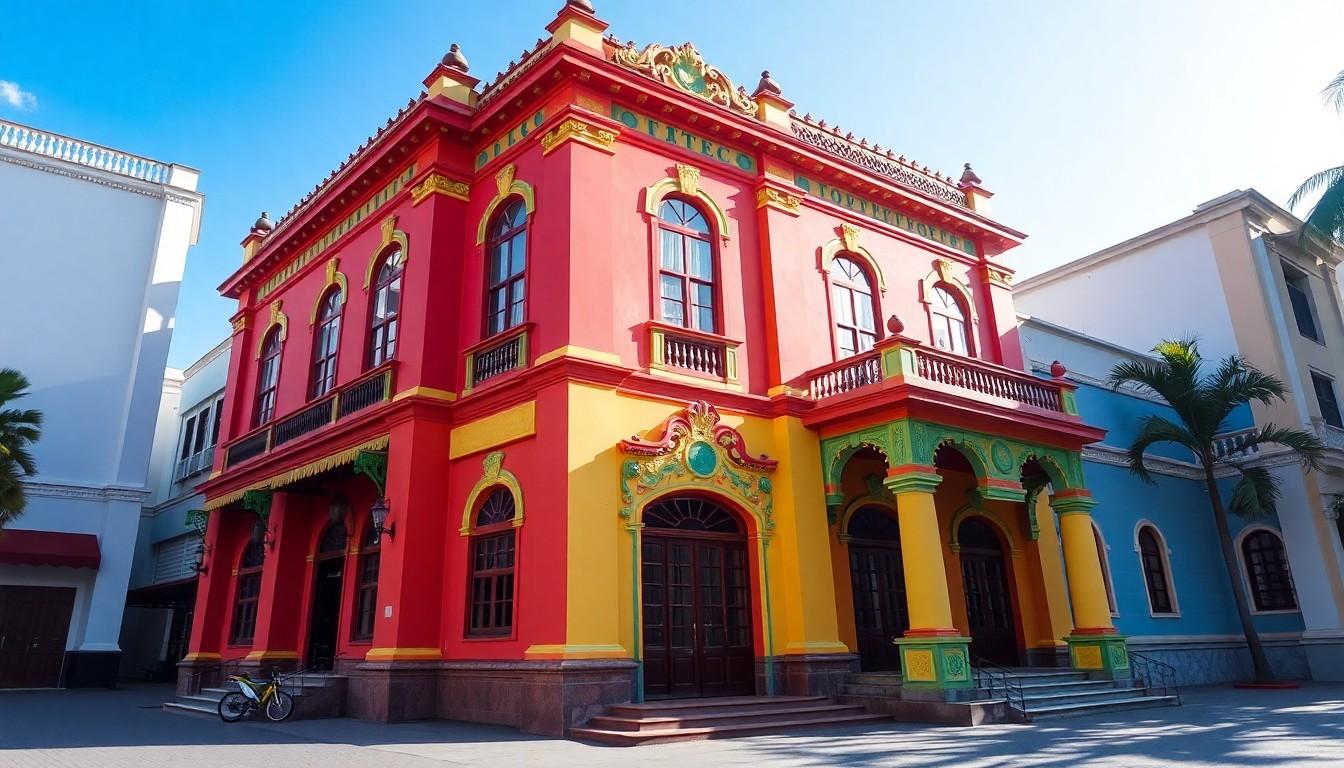
Shoppers and culture fans are gathering at the Cultural Center of the Philippines this Pride Month to see the Tanghalang Ignacio Gimenez facade bathed in rainbow colours; the pop-up lighting runs nightly and offers a bold, photogenic gesture of solidarity that matters for visibility and community.
Essential Takeaways
- When and where: The TIG facade is lit nightly from June 26–July 4, 6:30–10:00 p.m., offering easy evening visits.
- Design and meaning: Projections use fingerprint-inspired rings, meant to echo a tree’s growth rings, to celebrate individual stories and resilience.
- Who made it happen: Concept by Jericho A. Pagana, executed by Shantie De Roca with the CCP Production Design and Technical Services team.
- Atmosphere: Visually striking and Instagram-friendly, it’s both a civic statement and a gentle, dignified celebration.
- Why it matters: The installation is part of CCP’s wider commitment to safe cultural spaces and public recognition of LGBTQIA+ identity.
A landmark turned canvas: what you’ll see and feel
Step up to the Tanghalang Ignacio Gimenez at night and the facade reads like a contemporary pledge: saturated ribbons of rainbow light punctuated by concentric, fingerprint-like rings. The effect is tactile and warm rather than clinical, with colours that glow against the night and a design that invites a second look. According to CCP press materials, the imagery intentionally links personal identity to natural growth, which makes it feel gentle, rooted and hopeful.
How the project came together and who’s behind it
The idea was realised by the CCP Production and Exhibition Department through its Production Design and Technical Services Division, with Jericho A. Pagana conceptualising and Shantie De Roca overseeing execution. Local theatre crews and technicians helped bring the lighting to life, showing how cultural institutions can mobilise artistic and technical talent to stage public solidarity. The result reads as a collaborative work rather than a one-off spectacle.
Where this sits in the CCP’s wider public art programme
The CCP has used facade lighting before to mark cultural moments, from Women’s Month purple illuminations to parol-inspired displays at festive seasons. Those past efforts give context: this Pride lighting continues a recent pattern of using architecture as a civic message board, blending advocacy and aesthetics. For visitors, it’s an opportunity to see how public art can be both celebratory and quietly political.
Practical tips for visiting and photographing the display
Go in the evening between 6:30 and 10:00 p.m., when the installation is at its best; weekdays tend to be calmer than weekends. If you’re photographing, arrive early to find a good angle, close-ups pick out the fingerprint rings, while a wider view captures the building’s silhouette against the colour wash. Dress for a warm night and mind surrounding traffic; this is a civic space, so be courteous to other visitors.
Why these civic lightings matter beyond pretty pictures
Public lightings do more than create photo ops; they make a visible statement about who’s welcome in city spaces. The CCP frames this installation as a promise of dignity and freedom, reflecting a broader cultural push to make institutions actively inclusive. Whether you come for the aesthetic or the message, the illumination functions as a small but tangible show of solidarity.
It's a small, luminous gesture that helps make every identity feel seen.
Source Reference Map
Story idea inspired by: [1]
Sources by paragraph: