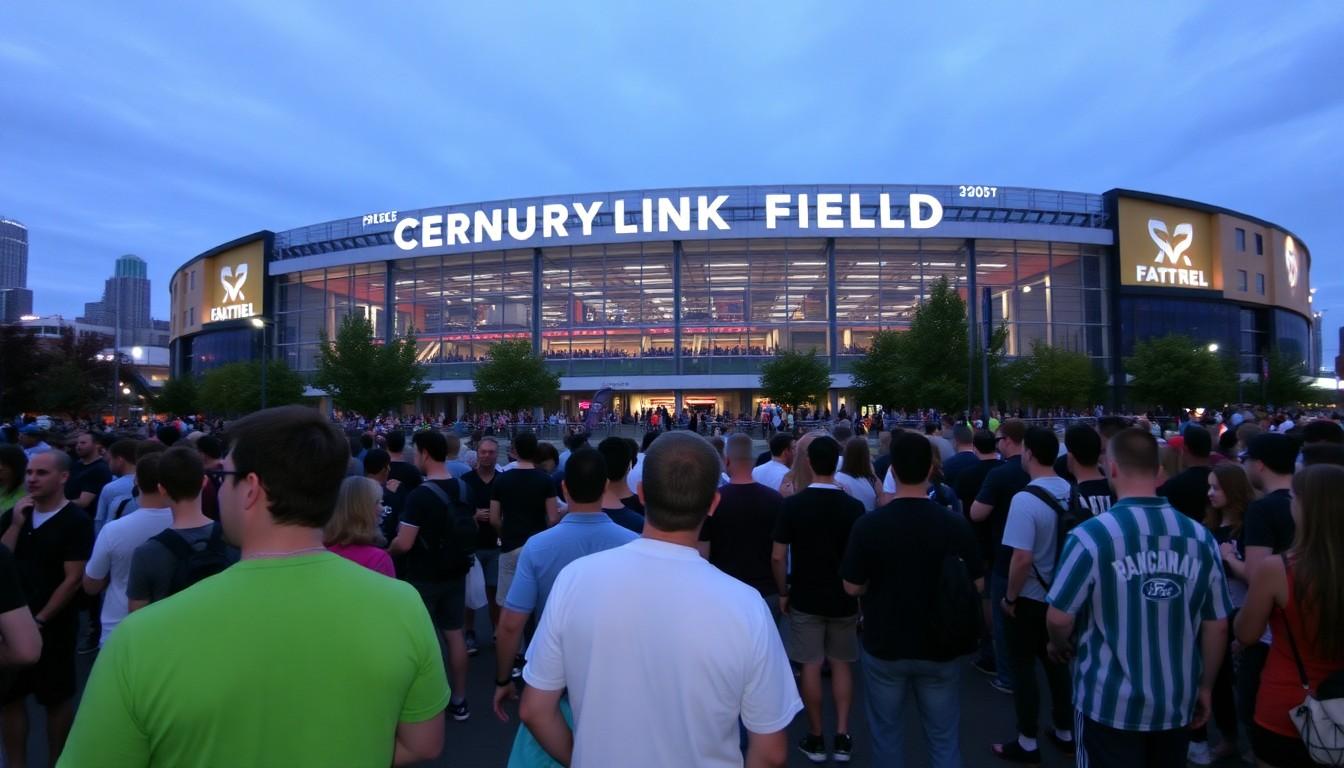
Shoppers, fans and drag performers turned Seattle’s Pride weekend into a joyful World Cup celebration, drawing together Egyptian, Iranian and queer communities in street parties and watch events that felt equal parts defiance and delight. Here’s what happened, why it mattered, and how locals turned sport into a shared act of celebration.
Essential Takeaways
- Inclusive atmosphere: Watch parties blended national team colours with Pride flags, creating a warm, crowded feel where identities sat side by side.
- High-energy programming: DJs, drag sets and spontaneous dance circles kept the streets lively and smells of street food mingled with cheering.
- Visible organisation: Local groups and vendors staffed booths and ran campaigns explaining why a Pride Match mattered to the city.
- Minimal confrontation: Aside from a lone megaphone protester, the mood stayed celebratory and community-driven.
- Symbolic moments: Players’ comments and fans’ mixed flags underscored a human connection stronger than political statements.
A city that staged joy as a reply to politics
Seattle’s Ballard and Capitol Hill neighbourhoods felt electric, with DJs bumping and drag performers leading chants that echoed down waterfront streets. According to local coverage, the day’s watch parties mixed music, performance and family-friendly scenes , a child wearing a lesbian Pride flag as a cape became one of the day’s quiet symbols. Reporters noted the intentional, celebratory tone that organisers designed to push back against pressure from foreign governments and larger institutions. If you were there, the energy was impossible to ignore; if you weren’t, imagine a block party where national colours and rainbow banners flutter together.
How organisers framed a “Pride Match” for the crowd
Local organisers ran a “How We Pride” campaign shown on giant screens at neighbourhood events to give context and purpose to the celebrations. Coverage points out that booths staffed by queer vendors and advocacy groups turned the closed streets into a living festival, offering information as well as glitter. That framing mattered because FIFA had publicly distanced itself from the Pride designation, and several national governments lobbied against it. For locals, the message was simple: community will define the day, not distant statements.
Fans blended flags and identities in public spaces
Outside the stadiums and bars linking T‑Mobile Park to Lumen Field, people wore Pride flags alongside Iranian and Egyptian symbols, sometimes draped across shoulders in the same breath. Photographs and on-the-ground reporting captured people with an Iranian flag and a Pride flag at once, grinning and dancing , evidence that identities aren’t mutually exclusive. That scene stood in contrast to the political arguments playing out in headlines, and it showed up as a practical reminder that public celebrations can hold many loyalties at once.
Minimal conflict, maximum camaraderie
Reporters described only a single loud anti‑LGBTQ protester using a megaphone, while the broader crowd largely ignored the disruption and continued to enjoy the festivities. Inside and outside the watch parties, fans from different backgrounds mingled, sang and made space for one another. After the match, small street bands played traditional music while mixed groups formed impromptu dance circles. The takeaway for visitors: plan for big crowds, but expect a warm, community-first atmosphere.
When sport spoke human, not political
Despite diplomatic skirmishes and FIFA’s uneasy public posture, comments from players and the joyful reactions of fans became the night’s real narrative. Coverage highlighted a post‑match line from the Iranian captain expressing respect for LGBT people, and for many attendees that sentiment echoed the evening’s mood more than any official statement ever could. The broader lesson was clear: when fans claim sport as their own, it can become a rare space for shared humanity, however briefly.
Closing line
It was a small, loud, and very human reminder that sometimes the best politics happen when people dance together.
Source Reference Map
Story idea inspired by: [1]
Sources by paragraph: