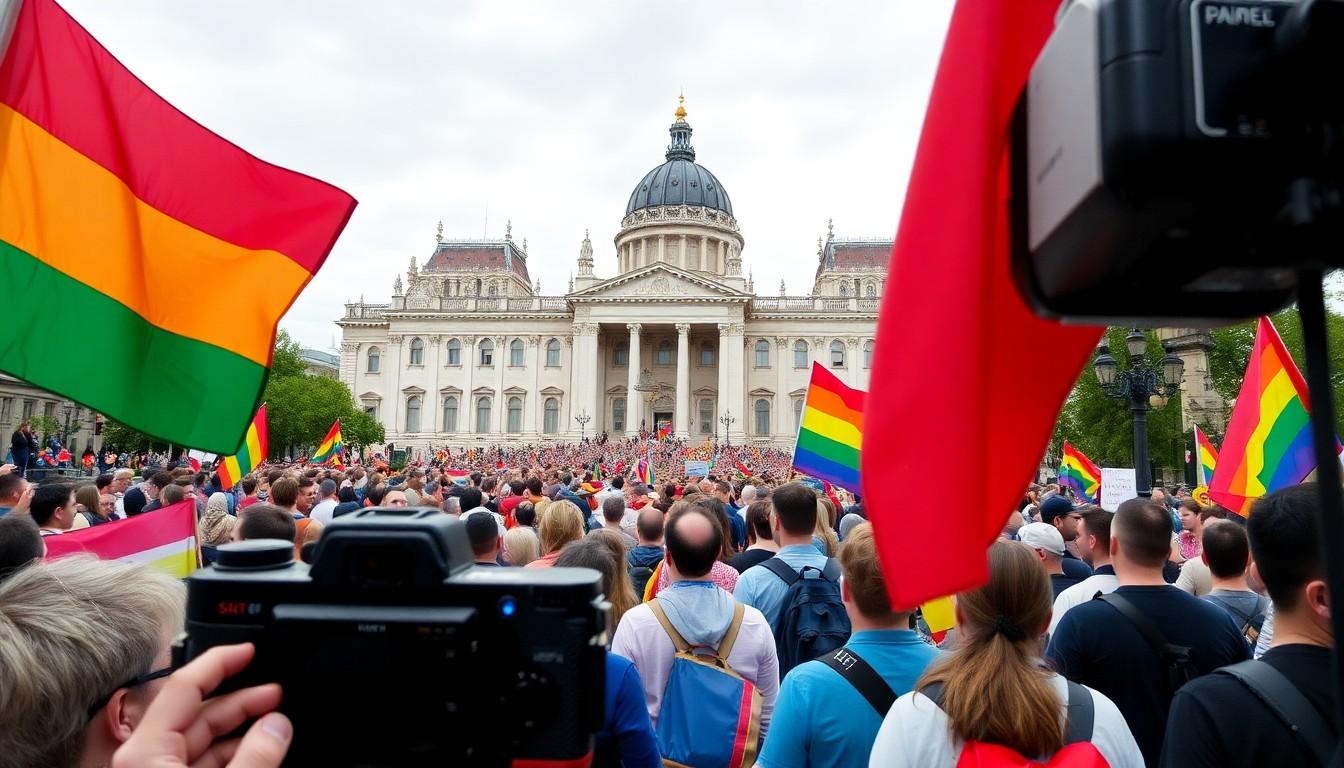
Celebrate loudly: marchers in cities from New York to Budapest have turned Pride into a public lesson in dignity, politics and perseverance, showing why Pride matters for rights, visibility and everyday safety. This piece looks at the history, the current backlash from the far right, and how marches become tools of democratic resistance.
Essential Takeaways
- Origins matter: Stonewall in 1969 marked a pivotal, noisy break from shame to public protest and sowed the seeds of annual Pride events.
- Pride as pedagogy: Marches teach societies to recognise dignity , to love openly, name identity and claim public space without fear.
- Backlash is real: The rise of the far right has turned gender and sexual diversity into a political battleground, affecting schools, healthcare and legal rights.
- Victories and reversals: Rights can expand rapidly, but they can also be eroded by courts, regulations or shifting political majorities.
- Tactics vary: From grassroots defiance under bans to large celebrations of reclaiming streets, Pride adapts to local risk and opportunity.
Why Stonewall still echoes , the loud, messy spark that changed everything
The origin story is bracing and tactile: a police raid, a crowd refusing to be cowed, the noise of people who had nothing left to lose. According to History and National Geographic, the Stonewall uprising of June 1969 in Greenwich Village crystallised a previously fragmented set of struggles into a modern movement. You can almost hear the urgency in the reports , fear turned into fury and, crucially, organisation. Those nights spawned new activist groups and the idea that annual commemorations would keep the pressure on institutions and minds. For anyone choosing whether to march, that history is a practical reminder: Pride began as protest, not parade.
Pride as public education , dignity taught on the pavement
Pride is less a one-off party than a slow curriculum in visibility. Marches show what it looks like to walk without apology, and that visibility reshapes social norms, studies show. In cities where rights are recognised, Pride often mixes celebration with policy demands; in places where identities are criminalised, a march can be a radical act of survival. That dual nature matters when you’re deciding how to show support: donate to legal funds if rights are under attack, join local events to normalise presence if safety allows.
The far-right backlash , how culture wars move from rhetoric to regulation
Across democracies, the revival of hard-right politics has put LGBTQ+ communities in the crosshairs. Reporting and analysis make clear this battle is being fought in classrooms, courtrooms and bureaucratic hurdles: book bans, restrictions on discussing gender and limits on medical care for trans people are all tools of rollback. The effect is practical and chilling , policies that once felt settled can be unpicked by new majorities or hostile judges. That’s why activists and allies keep legal literacy and civic engagement high on their to-do lists.
Budapest and other comebacks , when bans produce bigger crowds
Not all responses to repression are bleak. Hungary shows how state hostility can backfire. After years of official harassment, Pride in Budapest transformed from an act of defiance under threat into a mass reclamation of public space. It’s a lesson in resilience: visible, sustained resistance can shift a moment of fear into a festival of recovery. If you find yourself wondering whether public protest still matters, this is your evidence , momentum often builds where repression tries to silence.
Beware pinkwashing , symbolic support that masks other harms
Not every rainbow counts. The term pinkwashing describes when governments, brands or institutions adopt Pride imagery to polish reputations while continuing discriminatory practices elsewhere. From international diplomacy to sports mega-events, selective displays of support can deflect attention from serious human-rights issues. For citizens and consumers, the fix is practical: look beyond logos, ask hard questions about policies and support organisations doing grounded, long-term work rather than photo ops.
The role of journalism , how coverage can inflame or inform
The press can either calm prejudice or amplify it. Recent episodes show how unverified claims can fuel homophobic campaigns, highlighting the need for careful reporting. Responsible outlets investigate, use respectful language and resist turning identities into scandal fodder. When newsrooms do their job, they help create the conditions for peaceful, informed public debate; when they don’t, the consequences trickle into schoolyards and social media feeds.
It's a small choice each Pride season , to march, learn, donate or speak up , but taken together those choices keep dignity moving through the streets.
Source Reference Map
Story idea inspired by: [1]
Sources by paragraph: