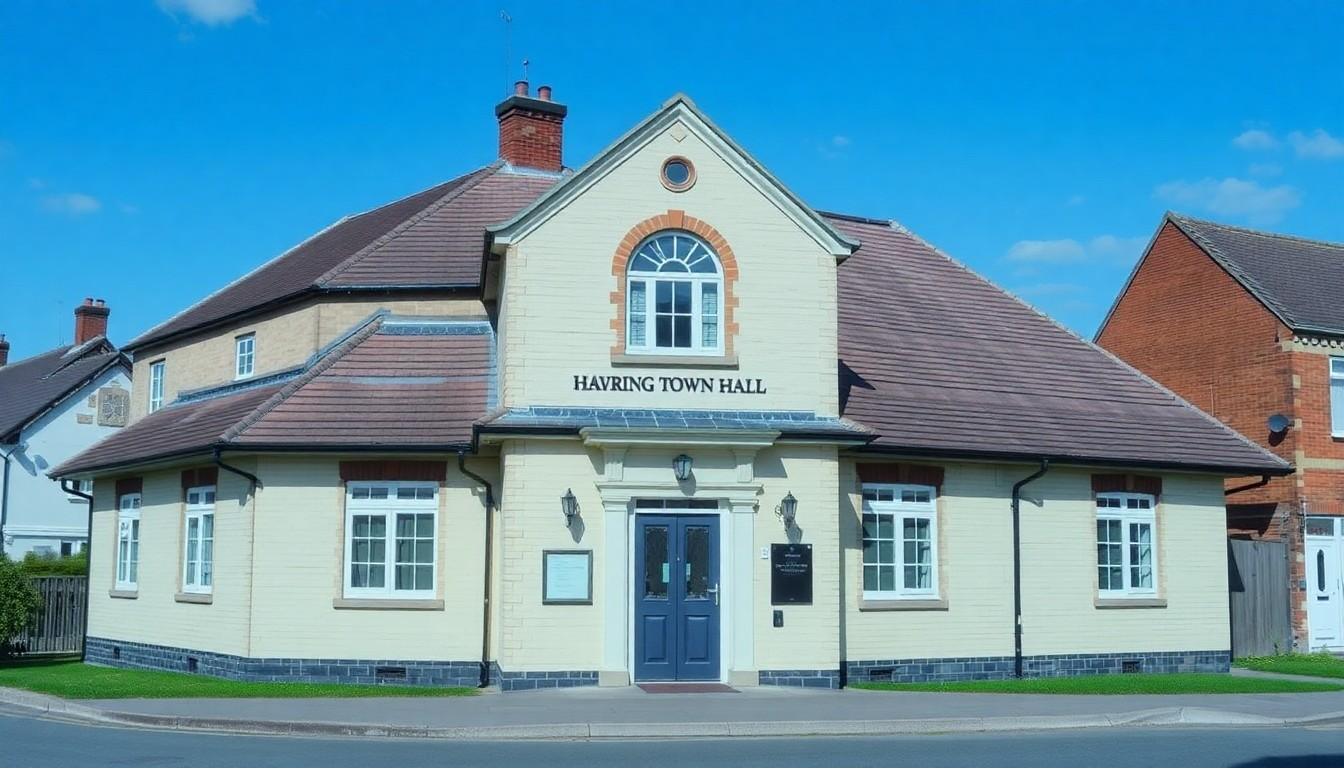
Shoppers and residents have been talking after protestors quietly attached Pride flags to Havering Town Hall, a visual rebuke to a new council policy that now restricts which banners can fly , and why that matters for communities and ceremonies.
Essential Takeaways
- What happened: Protestors fixed rainbow and trans flags to an unused flagpole as a direct response to the council’s new flag policy. The flags smelled faintly of damp fabric and drew immediate attention.
- Council stance: The Reform UK-led administration says only the Union Flag and the Armed Forces flag will be flown on civic buildings going forward.
- Local reaction: Opposition politicians, LGBT groups and past councillors described the policy as disappointing or divisive, while supporters argue the approach is inclusive of everyone via the Union Flag.
- Context: The decision came days before a cancelled Pride ceremony, and sits against the backdrop of London Pride events on July 4.
- Practical note: For residents, the dispute is more than symbolism , it affects local recognition, wellbeing and how civic events are staged.
What actually happened at Havering Town Hall , visual protest, quick reaction
On 25 June protestors attached a rainbow LGBT flag and a blue, pink and white transgender flag to an out-of-use flagpole on Havering Town Hall, a deliberate, visual challenge to the council’s new flag rules. The small, bright flags made an immediate statement against a backdrop of institutional brick and a single Union Flag. According to local reporting, the flags were taken down, and council leader Keith Prince described the action as trespass and said the flagpoles had been “abuse-free” again. The scene was brief but striking, and it landed the issue firmly in public view ahead of July civic events.
Why the council changed the rules , policy, politics and messaging
Reform UK’s newly elected administration in Havering announced it will only fly the Union Flag and the Armed Forces flag on civic properties, a policy it says keeps things neutral and honours national service. The move followed the council’s landslide win in May and arrived just before a planned Pride ceremony was cancelled under the same leadership. Supporters argue the Union Flag symbolises everyone and streamlines decisions, but critics say the choice erases a visible show of support for LGBT residents. The change is as much about the image the council wants to project as it is about which flags are considered appropriate.
Local responses , anger, disappointment and defence
Responses varied fast and loud. Opposition councillors and community groups called the policy disappointing and exclusionary, noting that lesbian, gay and bisexual personnel serve openly in the armed forces and deserve visible recognition. An LGBT charity representative called the decision devastating but also vowed it wouldn’t erase the local community. Meanwhile, the council leader framed the incident as trespass and doubled down on his pledge that no Pride flags will fly, reflecting a wider national debate about symbolic gestures versus uniform civic representation.
What this means for Pride, events and community recognition
The timing mattered: London’s annual Pride parade was due on 4 July, and civic flag decisions feed into how local ceremonies and recognitions are received. Removing or forbidding Pride flags from town halls doesn’t stop celebrations, but it does change the tone and removes a municipal sign of solidarity that many people appreciate. For event organisers and community leaders, the lesson is clear , dressings of public space carry emotional weight. If visible municipal support matters to residents, groups may need to find alternative venues or more assertive ways to display flags and messages.
How to think about flags and local civic life , practical pointers
Flags are shorthand for identity and values, so when councils change flag policy it’s worth asking practical questions: who decides which flags fly, is there a clear policy process, and can residents request temporary displays for local events? If you’re a community organiser, submit formal requests early, document support, and consider parallel actions such as banners, window displays or partnering with sympathetic local businesses. If you’re a resident who cares, speak at council meetings or join local groups to push for policies that reflect your area.
It's a small, public gesture with outsized meaning , and it’s sparked a debate that will likely continue as Pride and civic calendars move on.
Source Reference Map
Story idea inspired by: [1]
Sources by paragraph: