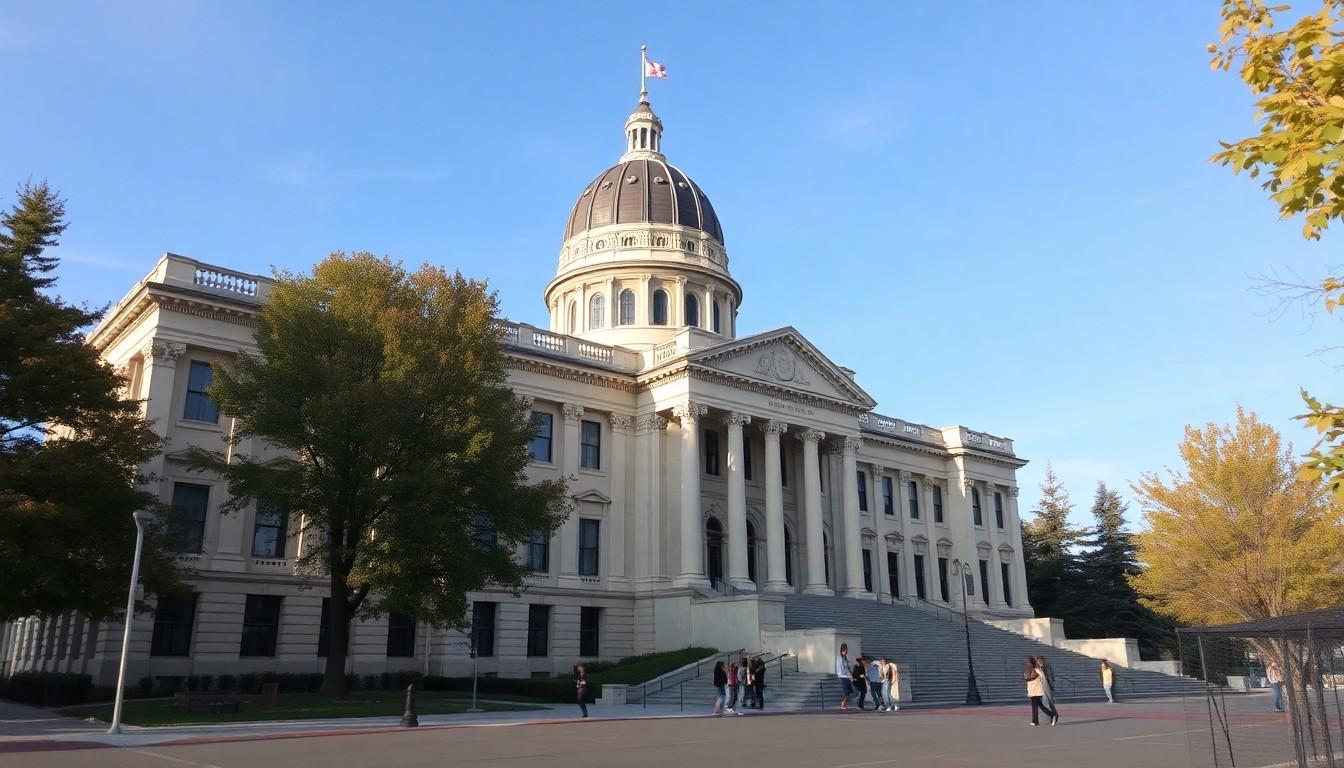
Shoppers of news and parents alike have been parsing the Supreme Court’s decision upholding state bans on trans women and girls in women’s sports; the ruling affects athletes, schools and families across the country and matters for fairness, inclusion, and legal precedent.
Essential Takeaways
- Ruling summary: The Supreme Court’s conservative majority said state bans from Idaho and West Virginia don’t violate the Constitution or Title IX.
- Widespread impact: About 29 states already have bans or policies limiting trans girls’ participation in girls’ sports.
- Local angle: Florida’s 2021 “Fairness in Women’s Sports Act” remains in force and shapes school athletics policy.
- Community reaction: LGBTQ+ advocates call the decision disappointing and exclusionary, while groups like Moms for Liberty hail it as a victory for female athletes.
- Practical consequence: Schools, families and athletic programmes will need to navigate eligibility, privacy and team dynamics under continued state-level restrictions.
What the decision actually does, in plain terms
The court’s ruling lets states keep laws that bar transgender women and girls from girls’ and women’s school sports, based on the biological-sex definitions used in those laws. You can almost feel the tension in a gym corridor , for some families this is relief, for others it’s raw exclusion. According to national reporting, the case grew from bans enacted in Idaho (2020) and West Virginia (2021). The justices found those state policies don’t conflict with federal protections, a conclusion that shifts the battleground back to state capitols and local school boards. If you’re a parent or coach, the practical upshot is simple: teams will follow whatever the state or district rulebook says, not a single federal standard. That makes local policy literacy suddenly crucial.
Why advocates say this will hurt students , and what they’re doing about it
Groups supporting transgender youth, like Equality Florida, describe the ruling as a step that allows blanket exclusion in school life, not just in athletics. They stress that sports build confidence, teamwork and leadership, and that denying participation can mean being shut out of everyday school experiences. Equality Florida says it’s ramping up support and advocacy for families, helping thousands who feel the effect personally. Expect more legal challenges and community organising in response. For families worried about exclusion, practical steps include documenting interactions with schools, seeking allies in PTA and district offices, and connecting with local advocacy groups for advice and resources.
The other side: supporters call it a win for female sports
Conservative groups framed the decision as preserving competitive fairness for female athletes, saying biological-sex rules protect opportunities and safety. Statements from organisations such as Moms for Liberty celebrate the ruling as aligning with Title IX’s original intent. That argument centres on concerns about physical advantage and access to locker rooms and private spaces, and it resonates with parents and athletes who feel their daughters’ chances are at stake. Coaches and school administrators will now be balancing competitive equity, team morale and legal compliance , a tricky mix that calls for clear communication and thoughtful policy at the school level.
How schools and districts will handle the fallout
With the federal door effectively closed by this ruling, much of the action moves to districts, state education departments and athletic associations. Practical questions include how to verify eligibility, handle privacy in changing rooms, and support team cohesion. Some districts may tighten paperwork requirements; others could adopt nuanced policies that attempt to balance inclusion and fairness. Schools should update families proactively and train staff on sensitivity and legal procedures to avoid confusion and conflict. If you work in education, now is the time to review your policies, consult legal counsel, and create transparent, compassionate communication plans so students aren’t left guessing.
What this means going forward , legal and social outlook
Expect more state-level legislation and court fights. National outlets and commentators suggest the ruling won’t be the last word; legal scholars say narrower or future cases could revisit aspects of Title IX interpretation. Socially, the decision deepens a national divide: for some communities it affirms long-held beliefs about sport and sex, while for others it crystallises a sense of exclusion. Local advocacy, parental involvement and clear school guidance will shape how the ruling actually feels in gym halls and on pitch sidelines. One human note: policy debates move fast, but families live the consequences every day , the practical responses people choose now will shape school life for years to come.
It's a small change with big consequences , check your local policies and keep talking to schools and neighbours.
Source Reference Map
Story idea inspired by: [1]
Sources by paragraph: