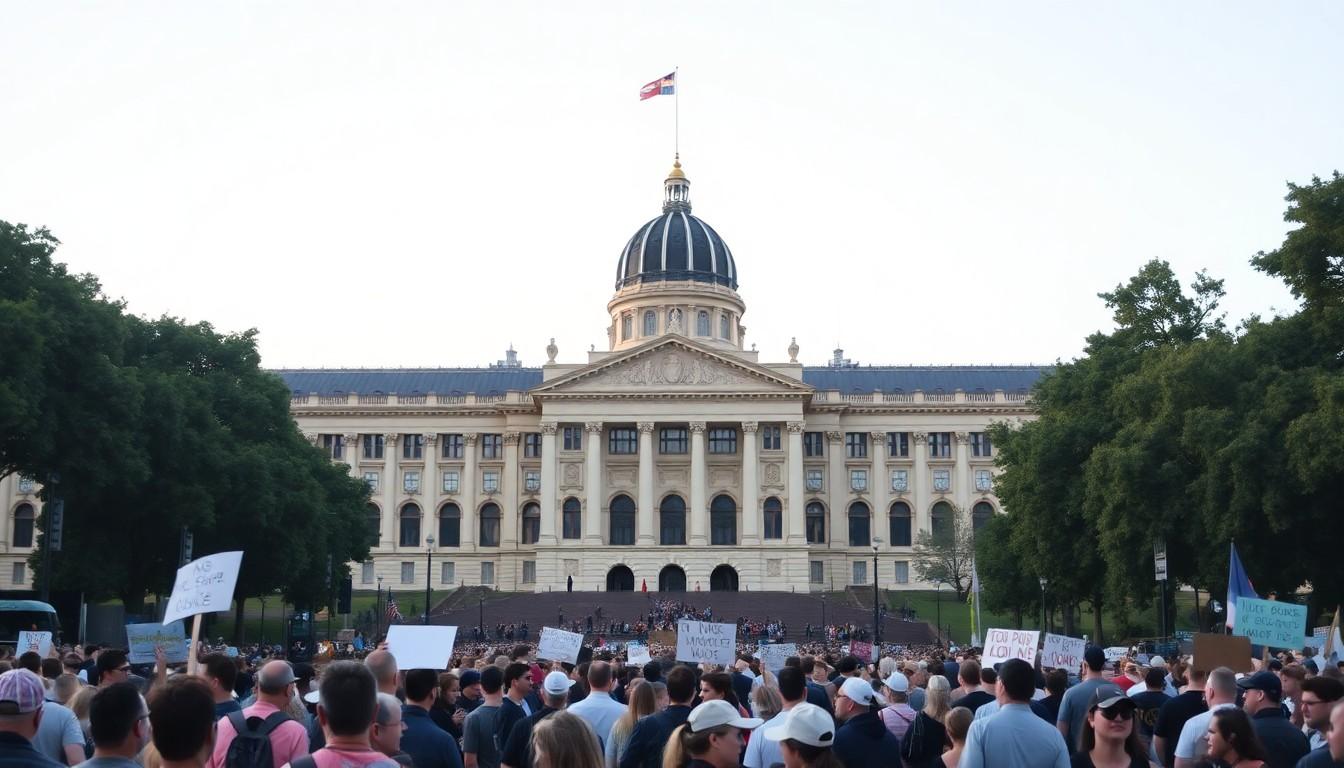
Shoppers, commuters and concerned citizens are gearing up as community groups organise counter-protests in Melbourne and Brisbane this July to defend trans and gender diverse people; these grassroots actions matter because they directly challenge planned anti‑trans rallies and proposed changes to anti‑discrimination laws.
Essential takeaways
- When and where: Melbourne counter-protest meets 4 July, 11:30am, steps of Parliament House; Brisbane meets 4 July, 12pm, King George Square.
- Who’s organising: Trans Queer Solidarity, Trans Action Network and Queer Liberation Boorloo are the named convenors.
- What to bring: Noisemakers, signs, flags, banners, a friend, and a COVID-safe mask; stay together and avoid engaging police.
- Why it matters: The rallies respond to anti‑trans campaigns and proposed amendments to equality laws that organisers say would strip protections.
- Tone and tactics: Events are framed as joyful and defiant , expect chants, banners and a community-focused atmosphere rather than formal speeches alone.
Why these counter-protests have become the focal point this month
Organisers are calling these gatherings a direct response to scheduled anti‑trans rallies and rising public debate around equality law changes, and the mood is pointed but upbeat. According to event information circulated by the groups, the Melbourne action is billed as “SMASH TRANSPHOBIA! FIGHT FOR TRANS LIBERATION!” and the Brisbane action as “HANDS OFF THE ANTI‑DISCRIMINATION ACT!!! PROTECT TRANS RIGHTS”. That language signals both urgency and a readiness to mobilise socially and visibly. For people who care, turning up is a way to show tangible support in public spaces that are often the stage for heated debates.
Who’s behind the calls and what they’re saying
Grassroots groups such as Trans Queer Solidarity, the Trans Action Network and Queer Liberation Boorloo have put the word out, urging solidarity and practical safety measures. They frame the counter‑protests as a defence of hard‑won rights and an answer to what they describe as coordinated, far‑right efforts to roll back protections. Organisers are vocal about opposing alliances they see between anti‑trans campaigners and right‑wing figures, and they’re using the rallies to highlight broader concerns about sexism, racism and inequality. That wider framing helps attract allies beyond the queer community.
What to expect on the day , atmosphere and practicalities
Expect a colourful, noisy crowd rather than a sedate protest: organisers encourage flags, banners and noisemakers and ask that people attend with friends and COVID‑safe masks. They’ve also advised participants to stay together and avoid engaging with police , pragmatic, simple rules that help keep things peaceful and focused. If you plan to go, take water, wear sturdy shoes and charge your phone for photos and safety check‑ins with friends. Bringing a small first‑aid kit and a portable charger is sensible if you’ll be at the action for a while.
How this links to the wider debate over equality laws
The demonstrations aren’t just about a single event , they respond to broader moves to amend anti‑discrimination and equality laws in ways organisers say would remove protections for trans and gender diverse people. The backdrop includes recent legal disputes, public campaigns and high‑profile speakers who critics argue are mobilising to roll back rights. For anyone following policy as well as protest, these rallies are a public thermometer of community sentiment and an attempt to influence lawmakers by showing visible opposition on the streets.
Tips for allies: showing up safely and effectively
If you’re coming as an ally, remember the basics: listen to organisers, follow safety guidance, and respect participants’ boundaries and pronouns. Keep signage clear and non‑violent , clever, concise messaging often cuts through better than long manifestos. Travel with a buddy, agree on meeting points, and let someone know when you expect to be back. If you want to help but can’t attend, consider donating to local groups or amplifying verified event information online.
It’s a small but powerful way to stand with people whose rights are on the line.
Source Reference Map
Story idea inspired by: [1]
Sources by paragraph: