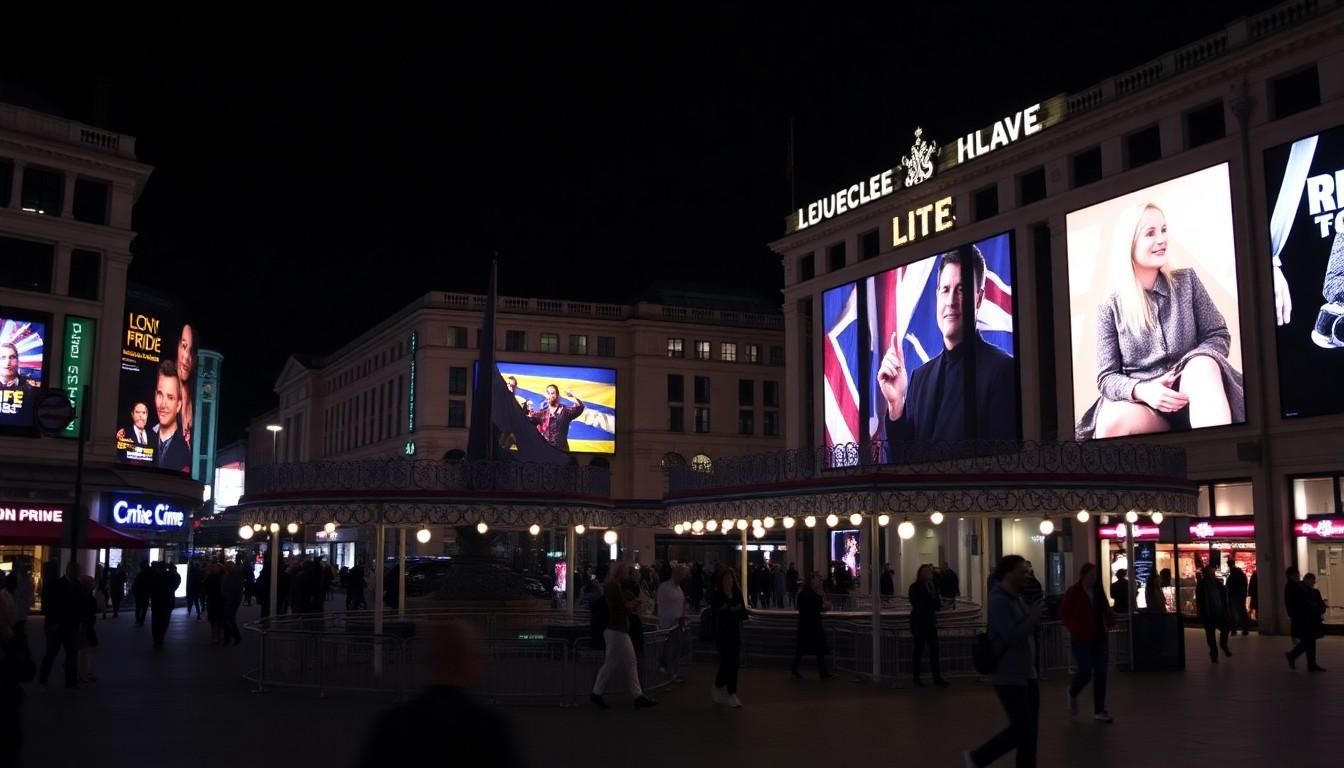
Expect big crowds, colourful outfits and plenty of noise , Pride in London hits the capital on Saturday 4 July, and more than 1.5 million people are expected to turn out. Here’s a compact guide to the parade route, viewing points, grandstands and practical tips to help you enjoy the day without getting overwhelmed.
Essential takeaways
- When and where: The march starts at 12pm on 4 July, beginning in Hyde Park and finishing on Whitehall; expect the procession to run until around 6pm.
- Key route landmarks: Hyde Park → Piccadilly → Piccadilly Circus → Haymarket → Trafalgar Square → Whitehall. Great for maps and meeting points.
- Stages and vibes: Main Stage at Trafalgar Square, Trans & Non-Binary Stage in Soho Square, Global Majority Stage at Golden Square, Women’s Stage in Leicester Square, plus a family area at Victoria Embankment Gardens.
- Comfort viewing: Two ticketed grandstands (Piccadilly and Cockspur Street) offer reserved seating, toilets and easier exits; tickets from about £65.
- Plan for the crowds: Think water, portable phone charger, clear meeting point, lightweight bag and realistic travel times , public transport will be busy and some streets closed.
Where the parade goes and why the route matters
The procession begins in Hyde Park and moves along Piccadilly before hitting Piccadilly Circus, then south down Haymarket, through Trafalgar Square and finishing on Whitehall. That route stitches together some of central London’s busiest tourist corridors, which is why the crowd feels enormous and the atmosphere buzzy and relentless. According to Pride in London materials, it’s designed to maximise visibility for the 35,000 official marchers and the huge throng lining the streets. Practically, that means you’ll want a route plan and a fallback meeting spot , phone batteries die fast in large crowds.
Best spots to watch , stages, grandstands and quieter corners
Trafalgar Square hosts the Main Stage for headline performances and speeches, while Soho Square has been earmarked for the Trans and Non-Binary Stage to give grassroots voices a focused platform. Golden Square, Leicester Square and Victoria Embankment Gardens each offer different vibes , from activist energy to family-friendly spaces. Pride in London’s ticketed grandstands on Piccadilly and Cockspur Street provide the comfiest views, dedicated facilities and re-entry privileges, which are worth the price if you don’t want to be on your feet all day. For a calmer experience, aim for the edges of the route or the family area by the Embankment.
How to get there and move around on the day
Expect road closures and heavier-than-usual Tube and bus loads. Westminster Council and Transport for London usually publish travel plans in advance, so check their sites the morning of the parade for live updates. Aim to arrive early , getting into place well before midday avoids the densest crushes , and agree a rendezvous point with friends near a named landmark rather than a vague street. If you’re planning to leave mid-route, remember that re-entry to ticketed grandstands is allowed, but public spots don’t guarantee you can return to the same spot once you move.
What to pack and how to stay comfortable
Light backpack, refillable water bottle, power bank, minimal valuables, ear protection if you’re sensitive to loud music. Dress for the weather but also for standing , comfortable shoes are non-negotiable. If you’re with kids or someone who might be overwhelmed, carry a visible ID tag and a simple paper with a phone number in case phones fail. Toilets can be scarce in public areas, which is another reason the grandstands are attractive to those who want a bit more comfort.
Safety, accessibility and being mindful in the crowd
Pride in London’s planning pages outline stewarding, accessibility provisions and steward locations; look them up before you go if mobility or assistance is needed. Give space to first-aid points and follow stewards’ instructions if areas get too congested. Be mindful that what’s a fun, noisy celebration for many can be overwhelming for others , offer space, keep pathways clear and respect designated quiet or family zones. The event’s long history, from early 1970s activism to today’s huge celebration, means it’s part party and part public demonstration; that mix calls for both joy and responsibility.
It's a small change , planning a route, packing sensibly and picking the right viewing spot , that can make Pride in London feel more like a celebration and less like a logistical challenge.
Source Reference Map
Story idea inspired by: [1]
Sources by paragraph: