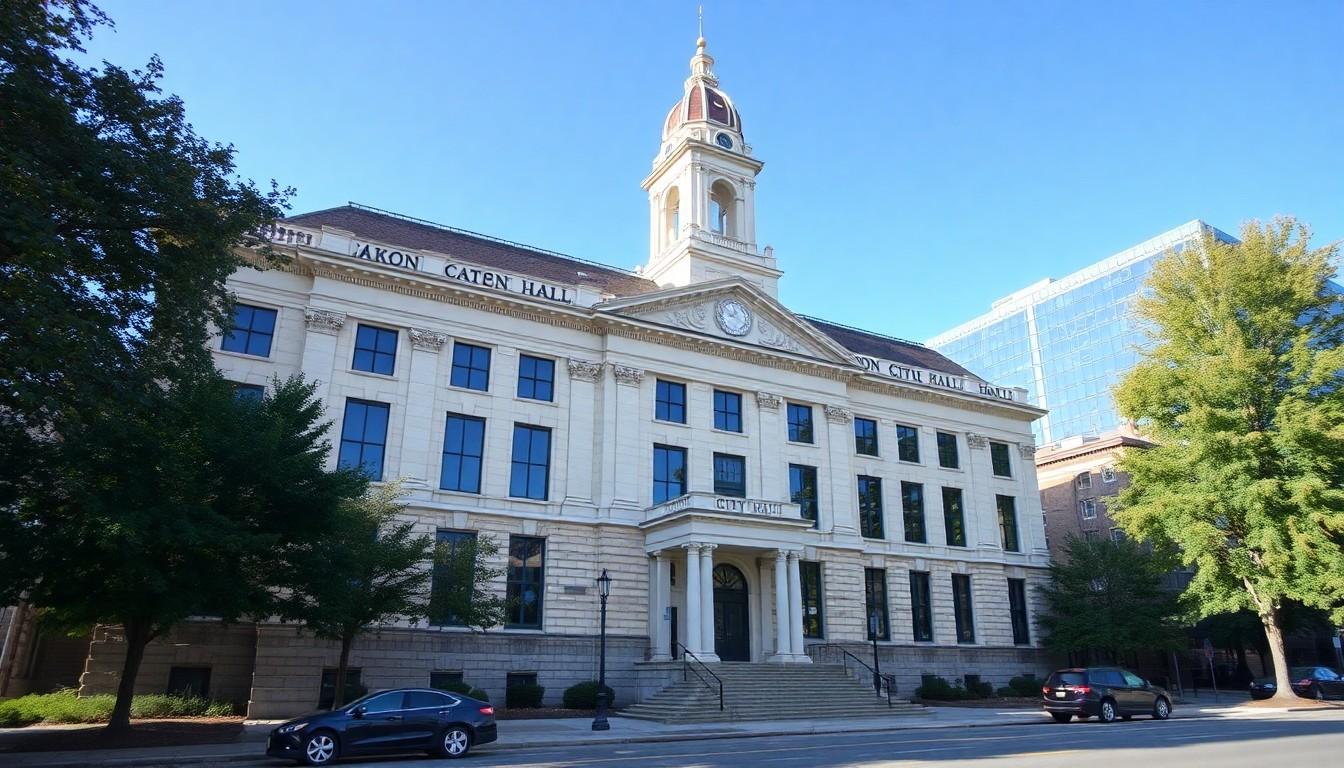
Shoppers, residents and Pride-goers are watching as Akron city leaders publicly reject House Bill 249 , a proposed state law targeting certain drag and adult cabaret-style performances , signalling solidarity with LGBTQ+ people and arguing the measure threatens free expression and community culture.
Essential takeaways
- City action: Akron City Council unanimously passed a resolution backing LGBTQ+ residents and opposing the bill.
- Mayor's view: Shammas Malik says restrictions on drag risk violating the First Amendment and could be struck down in court.
- Local concern: Council member Fran Wilson says the bill would curb important cultural expression and harm transgender performers.
- Sponsor's stance: Rep. Josh Williams frames HB 249 as child-protection, saying it targets obscene performances, not groups.
- Next steps: The bill has moved to the Ohio Senate and was sent to committee on April 15, so the debate is far from over.
Why Akron's move feels timely and a bit defiant
Akron's unanimous council vote lands as Pride Month winds down but the political heat stays on, and there's a tangible, human edge to the decision: this isn't abstract policy to residents, it's about everyday community life. The city leaders made a visible, vocal stand in public, which helps signal to LGBTQ+ people that they're seen and supported locally.
According to local reporting, Mayor Shammas Malik framed the issue as both constitutional and cultural, noting historical precedent for drag as performance and warning that broad restrictions risk First Amendment challenges. For people who attend or perform in local clubs and events, that legal framing translates to reassurance that the city will publicly defend creative expression.
What HB 249 would actually change , and why opinions split
The bill's sponsors say the aim is to keep sexually explicit performances away from minors; supporters call it a child-safety measure. Opponents counter that the language can be vague and sweeps in legitimate artistic and cultural shows, including performances by transgender and drag artists.
The Ohio legislative site shows the bill's text and progress, while civil-rights groups and LGBTQ+ organisations have posted opponent testimony describing potential harms. So the debate is really between narrowly framed public-protection claims and broader free-expression and anti-discrimination concerns , and the outcome matters for venues, performers and families.
How communities and groups are responding on the ground
Local leaders aren't the only ones speaking up. Advocacy groups such as the ACLU of Ohio and regional LGBTQ+ organisations have offered legal and personal testimony opposing the measure, arguing it could chill speech and unfairly target queer communities. Performers themselves have testified about the bill's real-world impact: lost venues, cancelled shows, and the emotional toll of being singled out.
That kind of testimony is persuasive in a way abstract policy debates rarely are. It forces legislators and voters to picture the people and places affected , the community theatre with a mixed-age audience, the drag storytime turned away, the performer who loses work.
Practical tips if you're a venue, parent or performer in Ohio
If you run a venue, keep clear records of age policies, content warnings and any steps you take to separate adult-oriented programming from family events. For parents, ask organisers about event content and settings rather than relying on labels alone. Performers should stay informed about local rules, union or guild advice, and legal resources through groups such as the ACLU or state LGBTQ+ coalitions.
And if you want to make your voice heard, contact your state senator while the bill is in committee; public input at that stage still matters. Local resolutions, like Akron's, help create political pressure but individual outreach can change minds too.
What happens next , and why this will stay a community story
With HB 249 now in the Ohio Senate and referred to committee, the legislative process is the immediate battleground. Legal experts suggest overly broad restrictions could face constitutional challenges, so even if a law passes, expect court scrutiny. Meanwhile, cities like Akron are likely to keep saying their piece, and that public pressure can influence amendments or stall passage.
Either way, this issue will keep surfacing where culture, law and community intersect , and for many residents, it’s less about politics and more about whether local life feels welcoming.
It's a small change in civic tone that can make every performance and person feel a little safer.
Source Reference Map
Story idea inspired by: [1]
Sources by paragraph: