Shout it loud , nominations are open for the 2026 Honour Awards, calling on New South Wales communities to put forward the people and groups who make life better for LGBTQIA+ folks. It’s the moment to celebrate volunteers, artists, health workers and organisers whose quiet or high-profile work keeps the rainbow community strong.
Essential Takeaways
- Nominations open now: Community members can nominate individuals and organisations at honourawards.com.au.
- Broad categories: Awards cover community, health, HIV, arts, media, business and a new Volunteer Hero category.
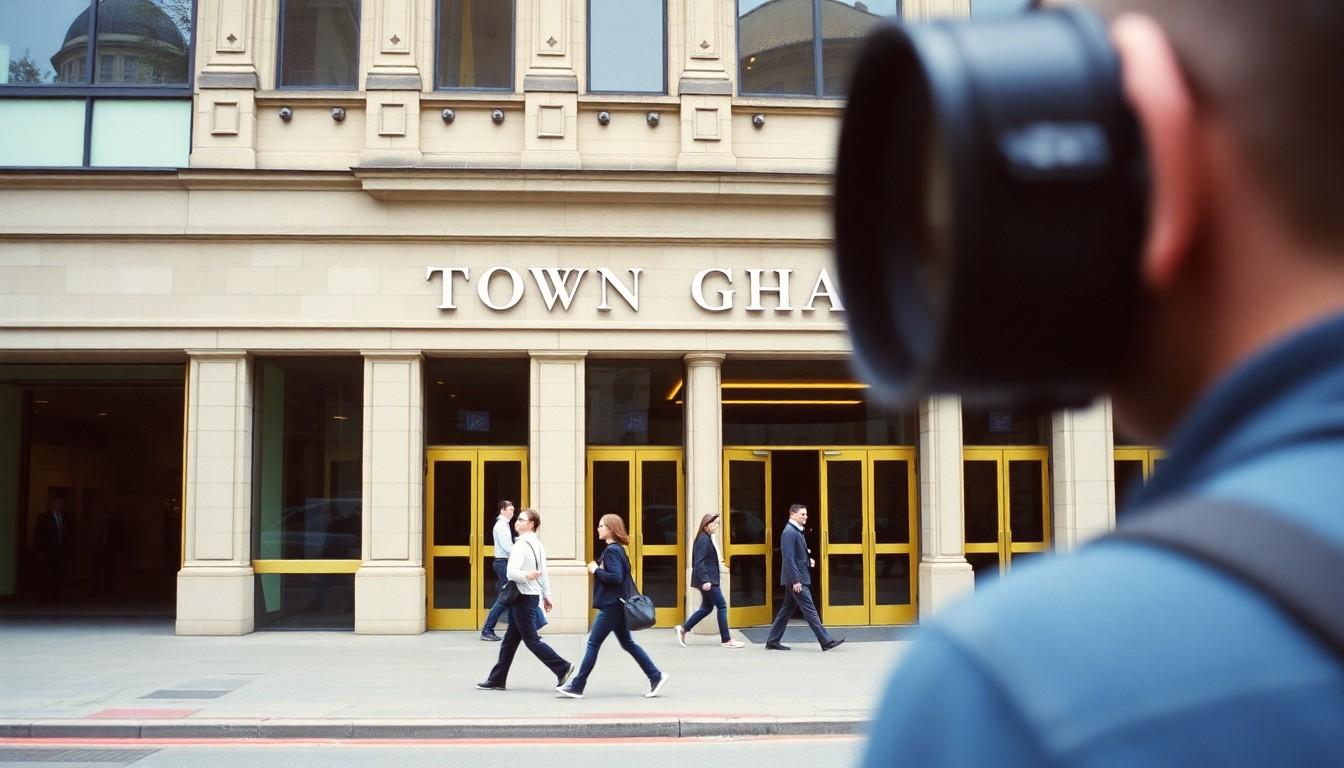
- Accessible ceremony: The 2026 awards will be held at Paddington Town Hall on 8 October with more affordable tickets.
- Organised by ACON: The awards have run since 2007 to celebrate service, leadership and impact in NSW.
- Recognition matters: Past winners, like DJ Gemma, describe the award as a heartfelt community acknowledgement.
Why this year feels important , and a little warmer
There’s something very human about watching a community pause to thank its own, and the Honour Awards do exactly that. The awards highlight both big-name advocates and the quieter figures who keep groups afloat, and that matters , your neighbour who runs a support group or the volunteer who answers helplines are as worthy as headline-grabbers. The inclusion of a Volunteer Hero category this year makes that intention explicit: unpaid, steady work finally gets a spotlight.
What you can nominate and who benefits
You can nominate in categories ranging from Young Achiever to Visual Arts Prize, and yes, there’s a dedicated HIV Hero award reflecting the ongoing importance of advocacy and care. Nominating is simple on the Honour Awards site, and it’s a direct way to boost visibility for people and organisations whose work improves health, wellbeing and cultural life across NSW. If you’ve been moved, supported or inspired by someone, this is an easy, meaningful way to say thank you.
New venue, better access , why it matters
Moving the ceremony to Paddington Town Hall isn’t just a change of scenery. According to organisers, it’s part of an effort to make the event more accessible and affordable, with ticket pricing designed so more people can join the celebration. That’s significant: award nights should feel like community gatherings, not exclusive galas. Expect a friendly room, applause for both marquee names and unsung heroes, and the particular warmth that comes when people recognise a shared history and struggle.
How to make a strong nomination
Think specifics. Describe what the nominee has done, the difference it made, and include measurable outcomes where possible , for instance, new services launched, people reached, or sustained volunteer hours. Short quotes from beneficiaries help, too. If you’re nominating a young achiever or an artist, add context about impact and reach. The site gives category guidance, so follow that and keep your entry clear, concise and evidence-based.
What past winners say , and what it feels like to win
Recipients often talk about the award as more than a trophy: it’s community recognition. Entertainment and nightlife figures, health advocates and organisers have described being surprised, moved and proud when acknowledged. That human nod can amplify a project, open doors to funding, and remind recipients they’re not working alone. It’s a small public moment that can lead to bigger, practical benefits.
It’s a simple act to nominate someone who’s made a real difference , and it can change how their work is seen.
Source Reference Map
Story idea inspired by: [1]
Sources by paragraph: