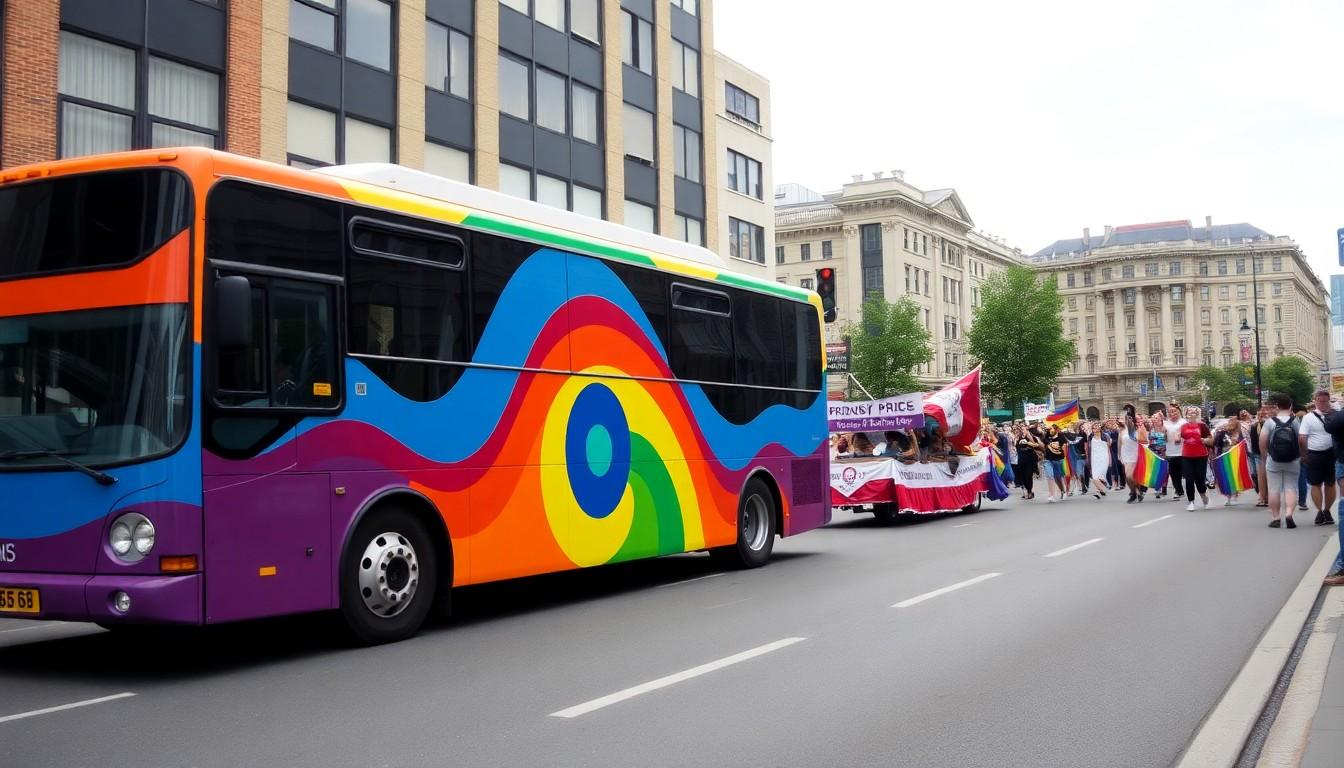
Shouting, dancing and rainbow buses , Local 100 turned Fifth Avenue into a celebration of labour and LGBTQ+ pride, reminding New Yorkers why solidarity still matters. Members, staff and a colourful float paraded past the Stonewall Inn, drawing cheers and renewing a promise that no one gets left behind.
Essential Takeaways
- Big, visual presence: Local 100 marched with a rainbow-decked Big Bus and float, creating a lively, photo-ready contingent.
- Music and momentum: A DJ kept the route upbeat while union leaders used the mic to connect with spectators.
- Historic route: The march passed the Stonewall Inn and finished uptown in Chelsea, linking labour to LGBTQ+ history.
- Solidarity message: Union president John V. Chiarello framed Pride as a moment to recommit to "an injury to one is an injury to all."
- Community reach: The parade blended festive atmosphere with organising spirit , approachable, proud, and purposeful.
A colourful union presence that felt purposeful and joyful
Local 100 didn’t show up quietly , they turned Fifth Avenue into an upbeat, communal block party. The Big Bus wrapped in rainbows and a matching float made for an immediate, cheerful visual; you could hear the bass and feel the crowd responding. According to onlookers, the combination of music and visible signage made the group easy to spot and impossible to ignore.
The decision to be both festive and vocal paid off. Unions have long used parades to boost visibility and recruitment, and Local 100’s approach was classic: approachable visuals, friendly faces, and a clear message. If you’re organising a union presence at a community event, bring music, colour and a few people with microphones , it changes the whole vibe.
Marching past the Stonewall Inn linked labour to LGBTQ+ history
The route’s westward turn onto 8th Street, passing the Stonewall Inn, was more than symbolic theatre , it tied labour solidarity to a landmark of LGBTQ+ activism. Walking that stretch in sunshine made the connection visible to everyone on the pavement, which mattered to members and allies alike.
Events that marry place and purpose resonate. When a union walks a route that carries historical weight, it’s a reminder that movements are layered and collaborative. For organisers, choosing a route with meaning helps the message land without a spreadsheet of talking points.
Leaders used the mic to blend celebration with a call to action
Local 100 President John V. Chiarello’s on-the-record line about solidarity , that “an injury to one is an injury to all” , cut through the party atmosphere and gave the march a frame. Harriette Goodridge-Seymour and other officers shouted out the union name from the float, making the group feel cohesive and intentional.
That mix of celebration and seriousness is effective. People come for the music and stay for the message when leaders speak plainly and from the heart. If you’re planning to represent an organisation, prepare a short, sharp statement that ties your identity to the event’s values.
Practical tips for unions and groups joining Pride and public parades
Bring a clear visual identity , flags, coordinated colours, a branded vehicle , so you’re recognisable among dozens of contingents. Sound matters; a DJ or portable speaker keeps energy high and draws attention. Assign a few people to speak or hand out materials; it’s the polite way to turn a cheer into a connection.
Keep logistics simple: water, shade for volunteers, and a meeting point at the end of the route. And remember accessibility , make space for members with mobility needs and ensure messaging is inclusive. Small details like these make your presence both welcoming and effective.
Why this matters for labour, community and culture
This wasn’t just a parade entry; it was a statement about where modern unions see themselves. By marching through Pride, Local 100 signalled that labour fights intersect with social justice battles. For members watching from the pavement, that’s reassuring , their union sees them wholly.
Looking forward, expect more unions to bring visible, values-driven contingents to civic events. It’s good for recruitment, morale and public perception. And it’s simply nicer when people celebrate together , the music, the laughter, and the occasional chant all add up to something hopeful.
It's a small change that can make every public appearance feel more inclusive and intentional.
Source Reference Map
Story idea inspired by: [1]
Sources by paragraph: