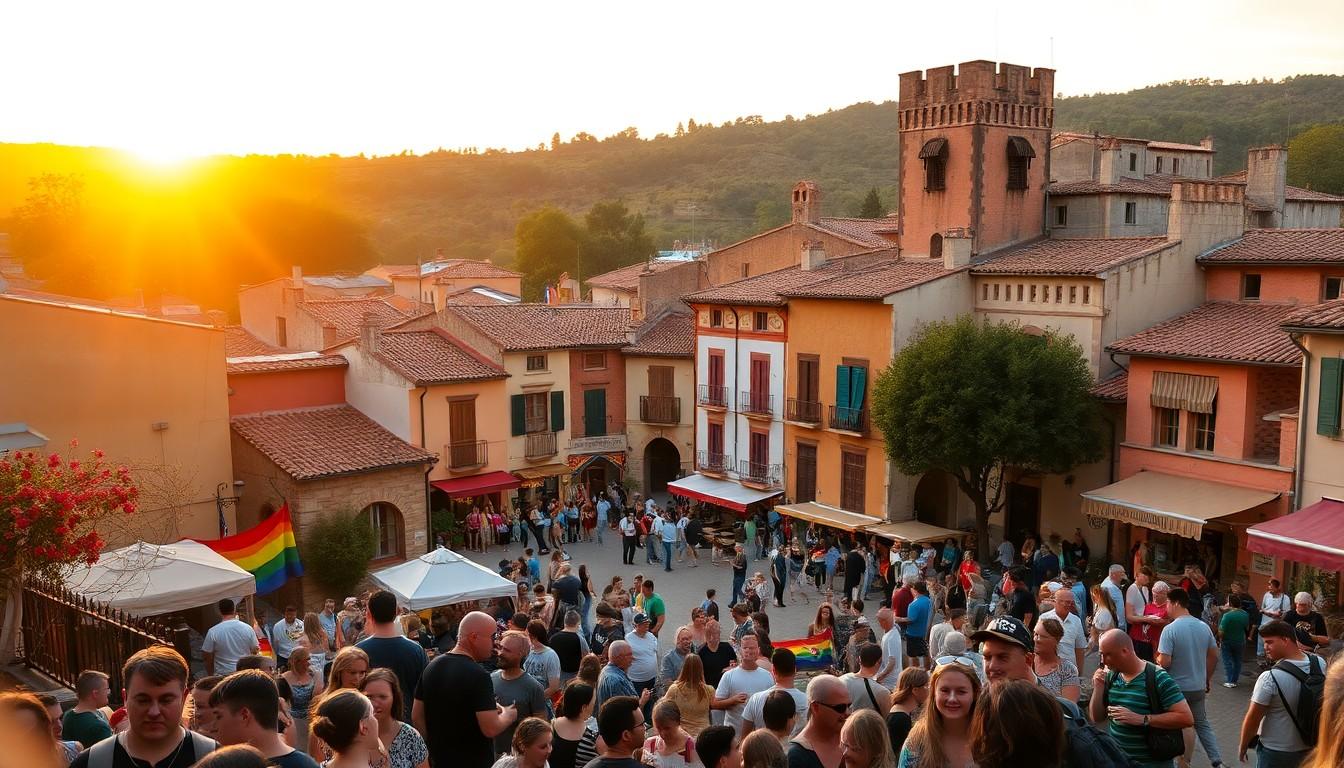
Shoppers are turning to small-town Pride: rural Spain is hosting colourful LGBTQ+ festivals and community projects that show people they don’t have to move to a city to be themselves, while some villages use events to fight depopulation and rebuild local life.
Essential Takeaways
- Growing movement: More than a hundred rural LGBTQ+ initiatives now dot Spain, from Galicia to Menorca, mapped by Proyecto Hortensia and reported widely.
- Community boost: Events blend tradition and new ideas , think crochet workshops, traditional dance and disco football , and bring visitors and energy to sleepy pueblos.
- Local roots: Associations across La Mancha and beyond stress the aim is to avoid “having to go to Madrid for everything,” creating supportive networks instead.
- Practical hurdles: Rural life still poses challenges , limited public transport, scarce sexual-health resources and social isolation in smaller towns.
- Tactile feel: These gatherings tend to be low-key, joyful and tactile , friendly markets, warm crowds and a homemade, grassroots buzz.
Why small towns are suddenly full of Pride
There’s a pleasing, slightly surprising sight across Spain this summer: village squares strung with rainbow flags and people chatting over coffee about queer history. According to coverage in national media, initiatives like Plumas de Pueblo have organised festivals and Pride parades from Monterroso in Lugo to Zahara de la Sierra in Cádiz. The result feels intimate rather than arena-sized, and that’s exactly the point , the events are built to make local LGBTQ+ people visible where they live. For many, seeing their neighbours at a community Pride is the first sign that being out and mixing is possible without moving to a big city.
How festivals help revive depopulated places
Local organisers and reporters have noticed an extra benefit: culture brings footfall. Towns with few events beyond patron saint fiestas are using LGBTQ+ programming to diversify their calendars, attract visitors and support local businesses. Programmes deliberately blend the traditional with the playful , think village dances interspersed with queer DJs or a crochet workshop followed by a disco football match. That mix makes the events feel rooted and relevant, and for some villages it’s become a genuine strategy to counter depopulation.
Grassroots networks: not having to go to Madrid
Across La Mancha and other regions, small associations have been quietly expanding year-round activity, not just a single Pride day. Activists told reporters they founded local groups to stop the idea that everything had to happen in Madrid. Over time those networks have softened prejudices: early meetings sometimes drew only a handful of people, but persistence built a wider, more confident community. The tone is familial , a network of associations and friends rather than a big-city scene , and that matters for people who want support near home.
Real obstacles that still need fixing
Rural Pride is promising, but it doesn’t paper over deeper challenges. Media reports highlight practical barriers: limited public transport makes dating and socialising harder, and access to sexual-health services and informed medical care can be patchy. For people without a car, isolation can be acute. Activists say these are the next fights: improving services, training local professionals and making mobility easier so rural LGBTQ+ life is sustainable, not just celebratory.
What to look for if you want to support or attend
If you’re curious about a nearby event, check local association sites and the Plumas de Pueblo map for dates and practical details. Choose events that list accessibility info and health resources, or bring that conversation up with organisers. For towns thinking about starting something, begin small , a film night or a joint traditional-culture workshop , and partner with existing local festivals to widen reach. And if you’re a visitor, come with curiosity, buy from local businesses and be ready to join in rather than observe.
It's a small change that can make every pueblo feel a little more like home.
Source Reference Map
Story idea inspired by: [1]
Sources by paragraph: