Shoppers, neighbours and newcomers came out in force as nearly 1,000 people turned an Elmer farm into a celebration of queer life , showing that Pride can flourish even in South Jersey towns with few dedicated LGBTQ+ spaces. This matters because community-run events and local business support are filling a gap where clubs and services are scarce.
Essential Takeaways
- Strong turnout: Nearly 1,000 people attended the inaugural South Jersey PrideFest, signalling real demand for local LGBTQ+ gatherings.
- Local-funded: Roughly 80–85% of the festival’s budget came from Salem County small businesses, giving the event a grassroots feel.
- Resource-first layout: Organisers prioritised health, mental-health and faith-based resources at the entrance, not just merch and food stalls.
- Visibility gap: South Jersey still lacks permanent queer venues, so pop-up Pride events and marches are serving both residents and tourists.
- Political backdrop: Pride in Republican-leaning counties is both celebration and quiet resistance amid national shifts in attitudes.
A farm in Elmer turned loud, bright and unexpectedly warm
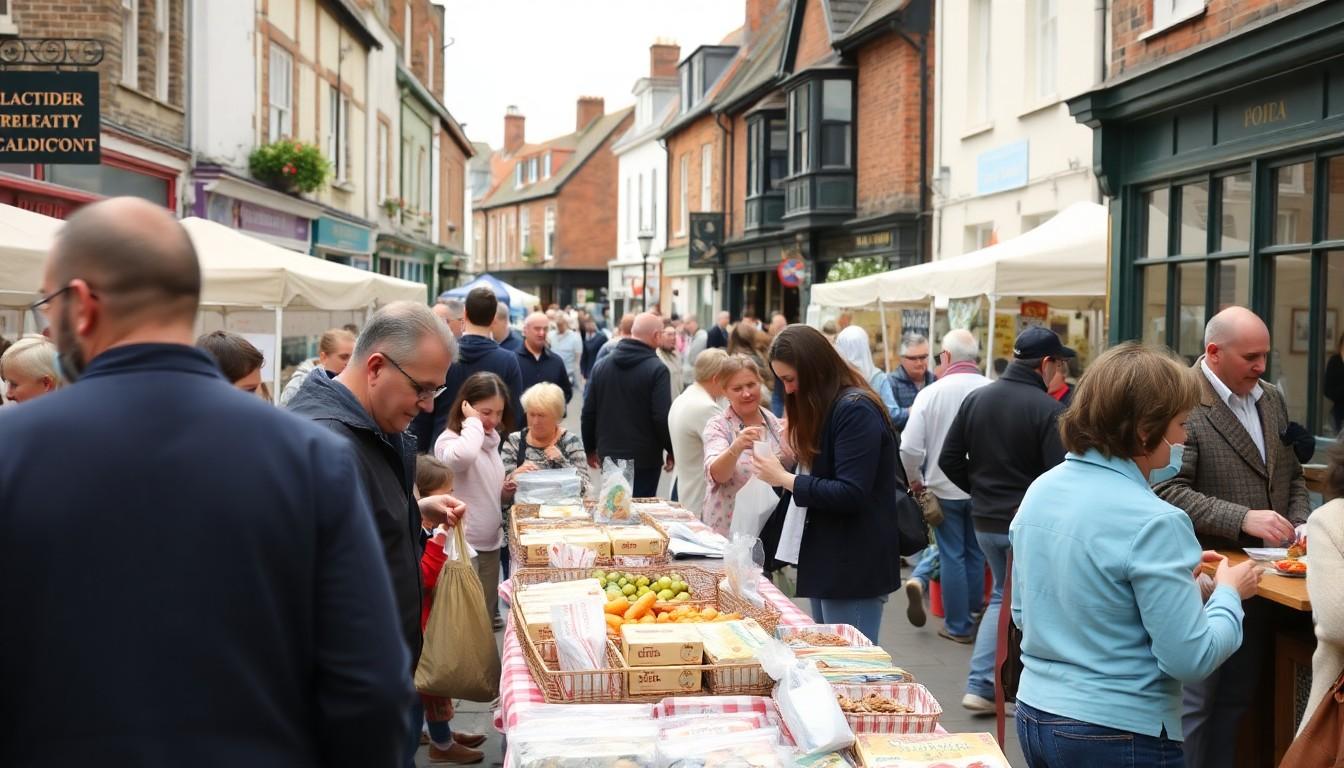
The first image that sticks is of Appel Farms’ wide green lawns filled with banners, drag performers and people laughing , a surprisingly cosy scene for a part of New Jersey not known for visible queer life. According to NJ Spotlight News, the South Jersey PrideFest drew almost 1,000 attendees and more than 100 local vendors, from authors to drag acts. The sensory mix , the smell of food, the hum of local bands, the chatter at resource booths , made the day feel celebratory and necessary at once.
Organisers deliberately designed the welcome to be more than festive. Amber Rorris-Crow, deputy director of Salem County Pride+, told reporters they asked visitors to pass resource tables first, so people saw health and support options before the marketplace. That choice felt practical and humane, and it’s the sort of small design detail other community groups might copy.
Small-business sponsorships show local buy-in, even where politics are mixed
Pulling an event like this off usually needs cash and courage, and organisers leaned heavily on local shops. Rorris-Crow said about 80–85% of funding came from Salem County and neighbouring businesses rather than national groups. That’s telling: it suggests local economies and entrepreneurs see value in supporting queer visibility, even in conservative counties.
If you’re thinking of starting a similar event, consider courting nearby independent shops first , they often want to be seen as community partners and can give steady, reliable support. Also, fundraisers through platforms like Zeffy and listings on community calendars can multiply reach without huge overheads.
Why pop-up Pride matters when there are no queer bars or clubs
People in parts of South Jersey told reporters they have few, if any, dedicated LGBTQ+ spaces , no obvious bars, tea dances or meetup hubs for regular social life. Groups such as Equality Cape May are trying to change that, balancing the needs of year-round residents and a tourism-driven seaside economy. Their Pride March had the theme “Unapologetically us,” which is as much a strategy as a slogan: visibility plus civic good.
For locals, pop-up festivals fill a double role. They’re an introduction to community for someone who’s never attended Pride, and they’re an affirmation for people already out. Volunteers noted young adults attending their first festival in their mid-20s , a reminder that access and visibility are still rolling out unevenly.
The climate: celebration amid a tricky national backdrop
A recent Gallup poll shows national acceptance of LGBTQ+ rights has dipped since a 2022 high. That wider context matters because Pride events in conservative counties can feel partly celebratory and partly defiant. Vendors at Elmer talked about being targeted or vilified in public discourse, particularly trans people, and that reality shapes how organisers plan security, messaging and programming.
At the same time, many attendees framed Pride as community care. Mental-health organisations, churches and health clinics set up stalls, signalling the festival was as much about services as spectacle. That practical approach helps normalise Pride as a civic good rather than a niche celebration.
How organisers and communities can build on a single weekend
If you’re planning something similar, start with partnerships: local businesses, health providers and arts groups. Put resources front and centre, secure a few local sponsors, and think about timing , a weekend festival can draw tourists as well as residents in counties that rely on seasonal visitors. Groups like Gay Social NJ and Meetup chapters for South Jersey LGBTQ+ communities already host smaller events and could be natural collaborators for outreach and continuity.
Longer term, activists say municipalities need to move beyond symbolic proclamations toward sustained action: inclusive programming, safe public spaces and support for local groups. Those are the steps that turn a single, brilliant day of Pride into everyday visibility.
It's a small change that can make every celebration safer and more meaningful.
Source Reference Map
Story idea inspired by: [1]
Sources by paragraph: