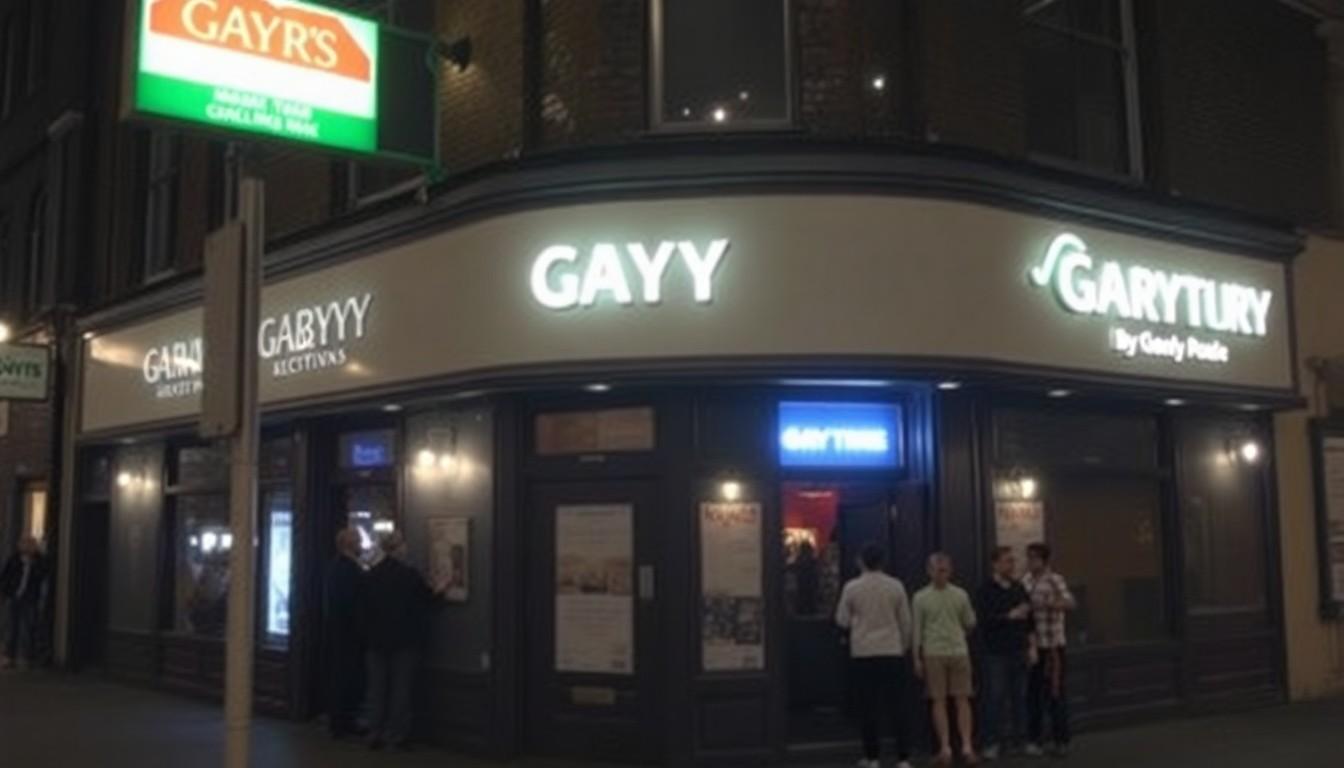
Shoppers are watching as New South Wales’ police watchdog opens a formal probe into the controversial Oxford Street raids, after patrons, venue staff and senior city figures complained. This matters for Pride Month safety, trust in policing, and the future of Sydney’s LGBTQIA+ venues.
Essential Takeaways
- Formal scrutiny begun: The Law Enforcement Conduct Commission has opened a misconduct investigation into the June 13 raids, asking NSW Police to preserve CCTV and body-worn camera footage.
- Complaints from many sides: Patrons, venue workers and elected officials reported physical pushing, forced removal of clothing and verbal abuse, creating widespread alarm.
- Police figures from the operation: Authorities carried out 93 searches, recorded 42 drug detections and laid one supply charge, according to police statements.
- Community impact felt: Drag artists and long-term LGBTQIA+ advocates say the raids damaged fragile trust and recalled earlier eras of hostile policing.
- Support and next steps: Affected people can contact local MPs, legal centres or QLife for support while the LECC assesses police responses.
What the watchdog has actually done , and why that’s important
The LECC’s referral means this isn’t just a political spat; it’s a formal misconduct process that can compel evidence and report findings. For many, seeing CCTV and body-camera footage preserved already feels like a small relief, a move that might stop crucial material from disappearing. ABC reporting and community statements show the watchdog has requested NSW Police outline what steps they’ll take next, and the force has been asked to account for the conduct of officers on the night.
This matters because watchdogs can recommend discipline, operational changes or further legal action, and their findings feed into public confidence. If the LECC uses its statutory powers, that could lead to stronger safeguards around policing at licensed venues.
What patrons and performers say , the emotional fallout
Eyewitness accounts describe an abrasive, hurried policing presence that disrupted a drag show and sent people rushing for exits. A performer on stage said the operation undid years of relationship-building, and veterans of the LGBTQIA+ community compared the incident to policing practices of decades past. Those emotional details are important; policing is about public safety and also about trust, and when that trust is frayed it changes how communities socialise.
Experts and advocates point out that a 2023 state inquiry already found long-term failures in investigating anti-LGBTQIA+ crimes, so nerves were raw well before June’s raids. That context helps explain why the reaction has been so intense.
Police rationale and the numbers behind the operation
NSW Police framed the operation as an attempt to disrupt drug supply and curb anti-social behaviour. Operational figures cited include 93 searches and 42 drug detections, with one person charged for supplying a small quantity. From a purely numerical view, the force can argue activity did occur and some enforcement followed.
But numbers don’t answer questions about proportionality and tactics. Critics say a routine drug operation shouldn’t look like a mass, intimidating sweep through multiple venues in the middle of Pride Month. That contrast is central to the LECC’s inquiry.
How this fits into a wider policing and cultural picture
There’s a broader trend: LGBTQIA+ communities in many cities are more vigilant about how policing intersects with nightlife, especially after historical trauma. Local leaders , including the Lord Mayor and an MP , have publicly backed complaints, signalling political weight behind the community’s concerns. Media coverage from outlets across the country has amplified those voices, pushing watchdog oversight into the spotlight.
For venue operators and patrons, this may prompt practical changes: more active negotiations about how police operations will be conducted, clearer protocols for preserving footage, and renewed demand for officer training on cultural sensitivity.
Practical tips if you were affected or worried about future visits
If you were at the venues the night of the raids, document what you remember and keep any relevant media; the LECC and legal clinics are asking for testimony. Contact Alex Greenwich’s office, the Inner City Legal Centre, or the LECC directly to file complaints, and QLife offers confidential peer support on 1800 184 527. For venue managers, consider reviewing CCTV retention policies and talking with local police about planned operations in advance so there’s less surprise and more transparency.
This isn’t just red tape , it’s about restoring a sense of safety so people can enjoy events without fear.
It's a small shift, but holding procedures to public scrutiny could make nights out safer for everyone.
Source Reference Map
Story idea inspired by: [1]
Sources by paragraph: