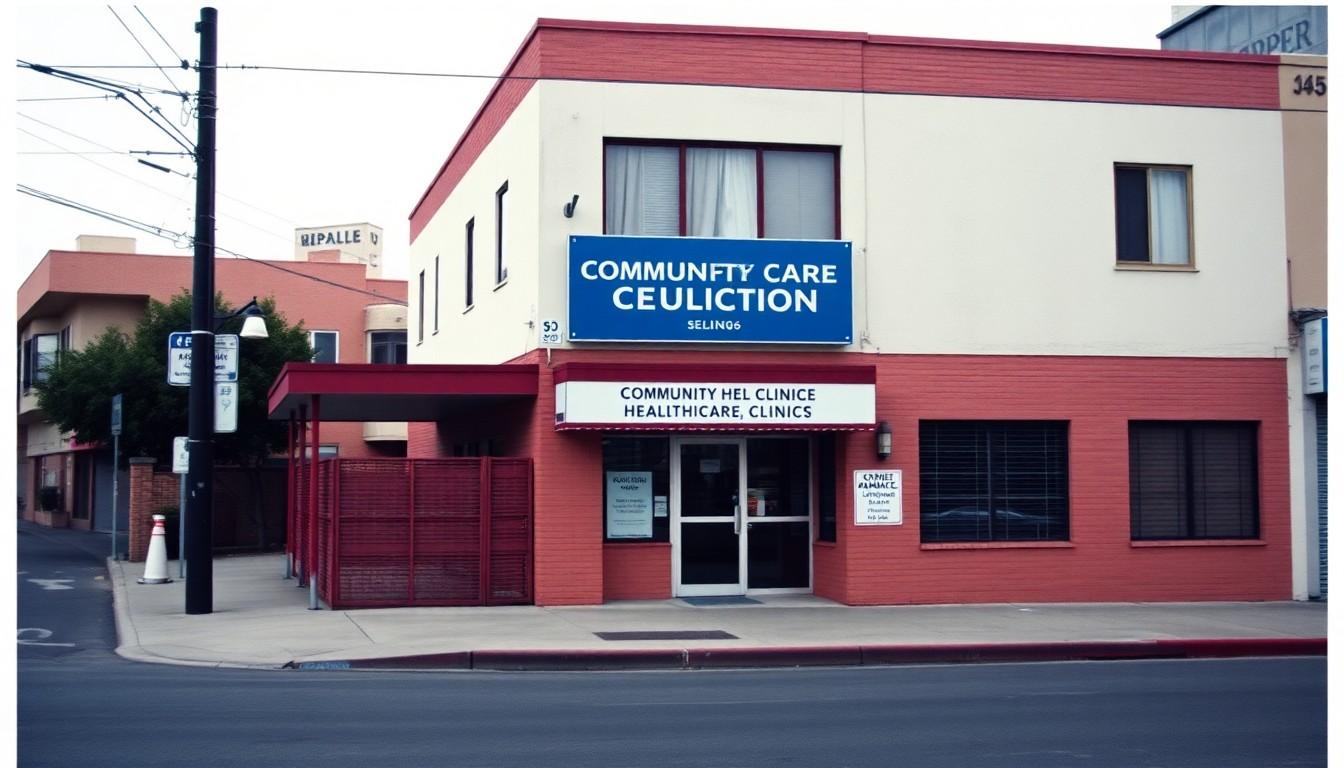
Shoppers are turning to trusted local providers for culturally relevant care , Bienestar Human Services in Greater Los Angeles has become a go-to for Latinx and LGBTQ+ communities, offering free HIV testing, mental health support, harm reduction and housing help where stigma and access gaps remain.
- Community-rooted approach: Bienestar uses peer-to-peer, culturally relevant outreach that feels familiar and welcoming to Latinx and LGBTQ+ clients.
- Comprehensive services: Free HIV/STI testing, PrEP, mental health counselling, substance use support and food bank access are all available under one roof.
- Trans-focused care: Longstanding Trans programs deliver practical help , from legal forms to dress-for-success and emergency housing , with a warm, affirming tone.
- On-the-ground harm reduction: The Syringe Service Program supplies sterile kits, naloxone, fentanyl testing and wound care, with mobile outreach that’s low-barrier and non-judgemental.
- Easy entry points: Nightclub testing, college talks and community events make services visible and accessible where people already spend time.
Why Bienestar’s model feels different , and necessary
Step into a Bienestar outreach event and you’ll notice the tone: relaxed, familiar and not medicalised. That matters because stigma keeps many Latinx and queer people from traditional clinics. Bienestar grew from grassroots activism in the 1980s into a community health centre that meets people where they are, whether that’s a nightclub or a local college fair. According to their own account, Clinica Bienestar now serves hundreds of patients and thousands of visits each year, a sign that familiarity and cultural competence really move the needle.
A one-stop health mix: testing, treatment and practical support
Bienestar bundles clinical services with social supports in a way many health providers don’t. You can get HIV and STI testing and PrEP education, then pick up food from the agency’s food bank or ask about short-term housing help under HOPWA. That integrated approach recognises health isn’t just medical; it’s also about safety, nutrition and stability. If you’re picking a service, choose the entry that fits your immediate need , testing, mental health, or harm reduction , and staff will link you onward.
Trans programmes that go beyond token support
Bienestar’s Transgeneros Unidas and Transformando Vidas programmes have a long pedigree, dating back decades, and they offer more than peer chat. Expect career workshops, mental health counselling, legal navigation and community nights designed specifically for transgender Latinx people. These programmes combine practical life skills with social safety nets, so participants gain both confidence and access to services. For transgender women of colour, that mix of mentorship and material help can be life-changing.
Harm reduction with dignity: practical tools and no shame
The Harm Reduction Centre operates like a low-pressure front door: sterile supplies, safe disposal, naloxone and fentanyl test strips, plus wound care and linkage to opioid treatment. Mobile outreach and backpack teams take those services into neighbourhoods, cutting travel and stigma barriers. For anyone worried about cost or judgement, this model shows how public health can be both pragmatic and compassionate. If you or someone you know uses drugs, asking about naloxone and test strips is a simple first step.
Mental health and substance use support that understands culture
Bienestar offers individual, family and specialised groups that address the cultural nuances often missing from mainstream therapy. Counselors work with Spanish-speaking clients, LGBTQ youth and people living with HIV, among others. Support groups , for gay and bisexual men, transgender women and Spanish speakers , create social networks that reduce isolation. If you’re choosing care, look for bilingual staff and peer-led groups; they make it easier to stick with treatment.
How to access services and what to expect
Services are free, and entry points are varied: walk-in testing at events, the Clinica Bienestar site, or phone-based navigation. The Harm Reduction drop-in and food bank have specific East LA locations and mobile hours, so check availability before you go. For housing or urgent needs, HOPWA referrals and emergency assistance are part of the package. A practical tip: call ahead to confirm hours and ask whether services are available in Spanish if that’s important to you.
It's a small change that can make care feel safer, more practical and far more human.
Source Reference Map
Story idea inspired by: [1]
Sources by paragraph: