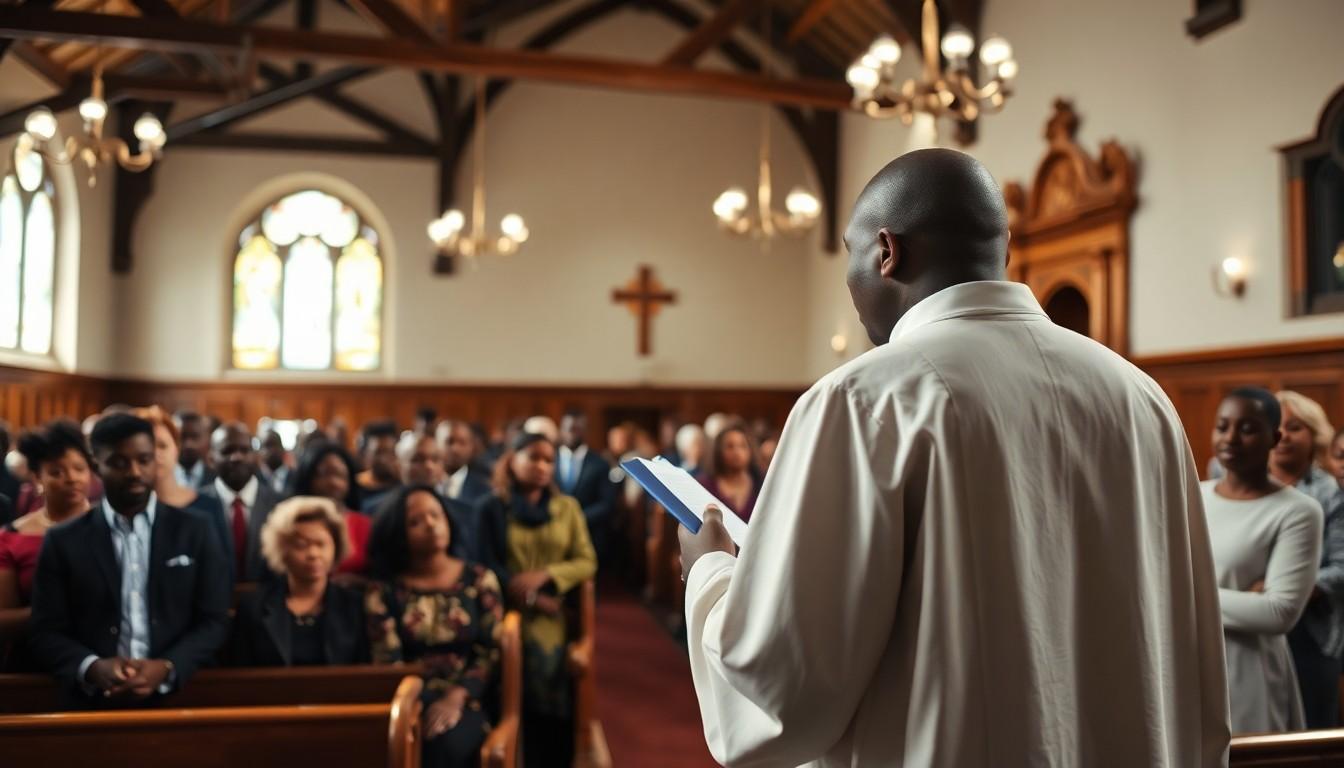
Shoppers are turning to welcoming congregations: Black LGBTQ+ people are looking for more than a seat , they want a stake. Across cities and online, activists and faith leaders are reshaping what “welcome” means and why it matters for belonging, leadership and political advocacy.
Essential Takeaways
- Acceptance is rising: Public acceptance of homosexuality has grown in recent years, but acceptance alone often leaves congregants feeling only partly welcomed.
- Levels of inclusion: Advocates describe a progression from avoidance to acceptance, affirmation and full advocacy , only the last truly shifts power.
- Practical barriers remain: Some churches allow attendance but restrict sacraments, marriage, leadership or baptism for LGBTQ+ members.
- Theology matters: How congregations interpret scripture strongly influences whether they prioritise sacred lives over static readings of texts.
- Look for signs of ownership: Pride flags, ordination of LGBTQ+ clergy and civic advocacy signal deeper inclusion and safety.
Why “don’t ask, don’t tell” churches leave people halfway accepted
Many Black queer worshippers know the slow, sinking feeling: a warm greeting at the door, then limits placed quietly elsewhere. The phrase “don’t ask, don’t tell” describes congregations that welcome attendance but stop short of full participation, and that gulf shows in small, painful ways , no marriage rites, no leadership roles, no pastoral advocacy. Advocates say these spaces can feel welcoming on Sunday yet alienating the rest of the week. If you’ve ever left a sermon with a sticky, uneasy heart, you’re not alone; activists suggest asking about baptism, marriage policy and clergy hiring before you invest emotionally.
From acceptance to advocacy: the framework activists use
A number of community groups map inclusion as a journey: avoidance, acceptance, affirmation, advocacy. Acceptance means you can sit in the pew; affirmation means your relationships and vocations are honoured; advocacy means the church uses its influence in public life on your behalf. Toward Pride and other organisers argue that real safety arrives when congregations lobby at city halls and legislatures as well as preach on Sundays. For families and young people, that public stance can be the difference between staying in a faith tradition or walking away.
How scripture debates shape who belongs
Interpretation is at the heart of the struggle. Some denominations have softened language and practice while holding fast to traditional doctrine; others have moved to ordain LGBTQ+ clergy and display symbols like year‑round pride flags. Theological shifts aren’t just abstract: they tell congregants whether their lives will be read as sacred or suspect. Clergy and lay leaders who prioritise the wellbeing of congregants often revisit texts with an eye to consequences, asking whether an interpretation helps people flourish or harms them. For many, that practical ethic , sacred lives over strict literalism , is persuasive and pastoral.
What to look for when finding a church home
Practical cues help you spot genuine inclusion. Look for visible signs such as inclusive statements on websites, ordained LGBTQ+ leaders, active youth and family ministries that welcome queer families, and public advocacy on local issues. Online worship options and interfaith communities offer interim spaces for those still testing doors. And trust your body: feelings of peace, safety and welcome matter. Ask direct questions about marriage, baptism and leadership opportunities; a church that answers clearly and cheerfully probably means it.
Community, power and the future of Black queer faith
The demand now is less about permission to attend and more about power to belong and shape church life. When congregations relinquish exclusive control and share leadership, they gain credibility and vitality. Some churches are already modelling that: they ordain LGBTQ+ people, raise public voices on civil rights issues and visibly celebrate queer members. The result is not only fuller pews but healthier communities where people can marry, baptise children and hold office without apology. For many Black LGBTQ+ believers, that’s the kind of sanctuary that finally feels like home.
It's a small change, but one that can make every step back into church feel safer and more whole.
Source Reference Map
Story idea inspired by: [1]
Sources by paragraph: