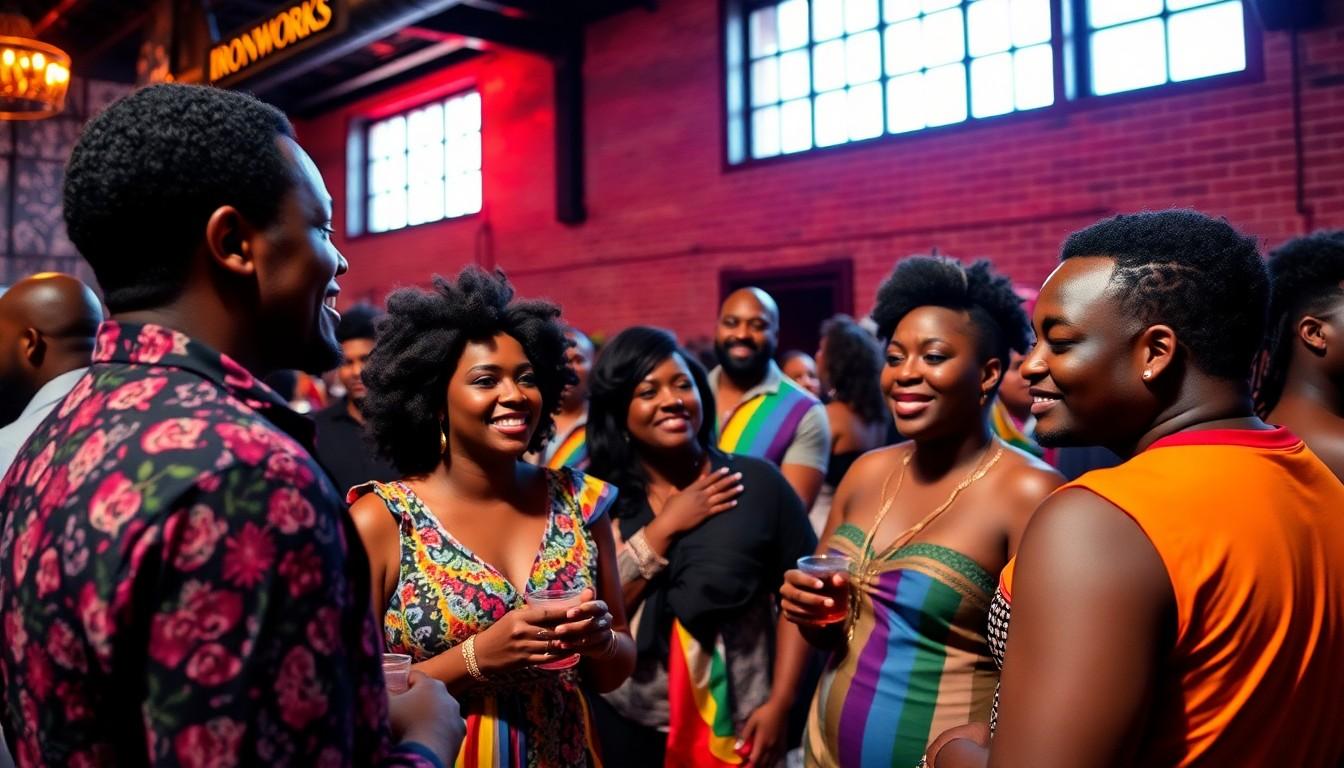
Celebrating boldly, Black Like That returned to Houston for its fifth year on June 27, turning The Hall at Ironworks into a warm, loud tribute to Black queer life, history and music , and reminding attendees why centring marginalised voices still matters during Pride Month.
Essential Takeaways
- Signature timing: The festival landed on June 27, a date loaded with local and national meaning , a nod to Stonewall's anniversary and Houston's own music history.
- Diverse lineup: Durand Bernarr, Erica Banks and Amari Noelle headlined alongside veteran entertainer Tommie Ross, offering soul, hip-hop and high-energy performance.
- Community care on site: Organisations such as Pride Houston, Avenue 360 Health and Wellness, and Legacy Community Health provided resources and outreach , practical support, not just celebration.
- Curated identity: The Normal Anomaly Initiative framed the event as affirmation , transforming a loaded phrase into an uplifting rallying cry.
- Vibe notes: Expect warmth, history, and a soundtrack full of swagger , plus moments that feel intimate and fiercely communal.
A festival with skin: what it felt like to be there
Walking into The Hall at Ironworks felt like stepping into a family reunion that’s been curated for joy. The sound was immediate , live band warmth, emcees cutting through the hum, and pockets of conversation about history and activism. You could feel that the organisers wanted everyone to leave with something: a memory, a contact for services, or a renewed sense of belonging.
According to event coverage, The Normal Anomaly Initiative designed the festival to reclaim a phrase and reframe identity, making the whole day act as both a party and a statement. That mix of revelry and intent is what makes the festival stick , people come for music, but they leave having been seen.
Why the date matters: history, health and Houston pride
Choosing June 27 wasn’t accidental. The day sits close to the Stonewall anniversary and coincided with National HIV Testing Day, creating a purposeful overlap of commemoration and care. Locals also felt the echo of Houston’s own music legacy on that date, which added a sweet historical underline to the performances.
Event organisers worked with health groups on site, turning celebration into an opportunity for practical outreach. That matters: community festivals can, and often should, be spaces for both joy and resources , especially when they centre communities who’ve historically been pushed to the margins.
The Normal Anomaly Initiative: community-first programming
The Normal Anomaly Initiative , the festival’s presenting organisation , has a clear playbook: put Black queer stories and artists front and centre, and invite partners who do health and advocacy work. Their approach feels intentional and grounded rather than performative; programming mixes established names with local talent and service providers.
This year’s lineup showed that balance. Veteran performers like Tommie Ross anchored the stage while rising and established artists like Durand Bernarr and Erica Banks brought moments that were celebratory and, at times, defiant. It’s a model other grassroots festivals would do well to study.
Performances that landed: soul, rap and theatrical flair
Musically, the day didn’t play it safe. Soulful sets rubbed up against rap and theatrical numbers, which kept the energy unpredictable in the best way. Headliners provided crowd-pleasing moments, and hosts and emcees threaded context through the programme so songs didn’t float in a vacuum , they were part of a larger story about identity and resilience.
For anyone planning to attend next year, aim to arrive early and linger; the best discoveries often happen between sets , pop-up art, spoken-word bursts, and conversations with community partners that feel as important as the headline acts.
What this festival signals for Pride and community spaces
Black Like That shows how Pride events can centre the people most at risk of being sidelined , not by sidelining parties, but by building celebration around history, health and culture. That combination of uplift and service is increasingly what attendees expect from meaningful community festivals.
Looking ahead, expect more events that mix entertainment with tangible outreach. The festival’s model points to a future where Pride is as much about sustaining communities as it is about spectacle.
It's a small change that can make every celebration feel a little more like home.
Source Reference Map
Story idea inspired by: [1]
Sources by paragraph: